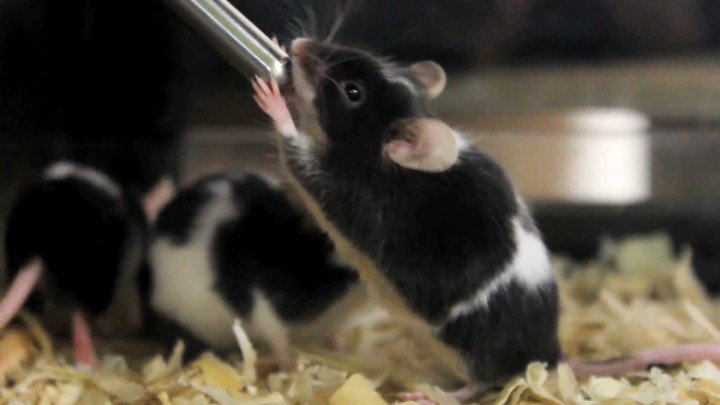
This film begins with how animals were used in psychological research by looking at Harlow’s experiments, where baby rhesus monkeys were isolated in ‘the pit of despair’. It explains the current ethical and legal regulation of using animals in research, illustrates how decisions are made, and ends with the question of whether animals should ever be used in research.
Subjects: Psychology
-
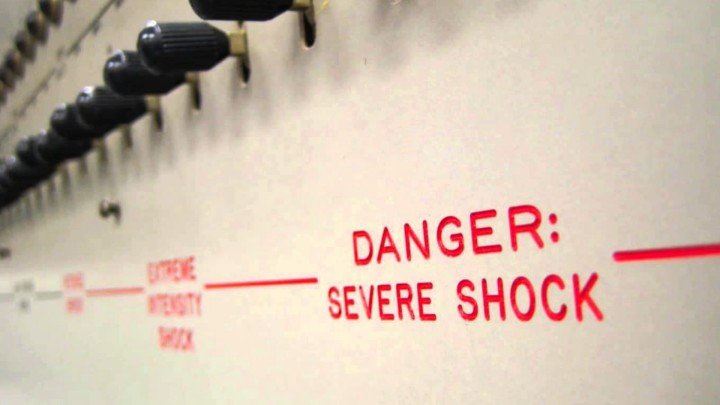
Aftershock: Obedience & Identity
Milgram’s obedience experiments are among the most famous studies ever conducted in psychology. Generations of students have been taught that they demonstrated how easily ordinary people can be persuaded to harm others when instructed to by a person in authority. But did Milgram’s research really show that? Using original footage and new documentary evidence, this film suggests that Milgram’s experiments demonstrate something rather different, that obedience to authority is a consequence of social identity.
-
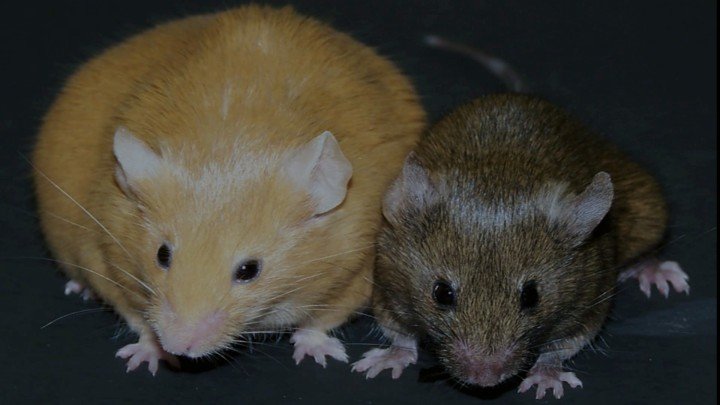
Are You What Your Mother Ate? The Agouti Mouse Study
The foetal susceptibility hypothesis suggests the nourishment an embryo receives from its a mother is a major determinant of health in later life. In this film, Professor Randy Jirtle tells the story of his ground-breaking experiment at Duke University that provided the first ever scientific evidence of the causal influence of maternal diet on offspring health prior to birth. It showed how the genetic destiny of an embryo can be altered by changes in maternal diet and it is now one of the most widely quoted scientific studies of all time.
-
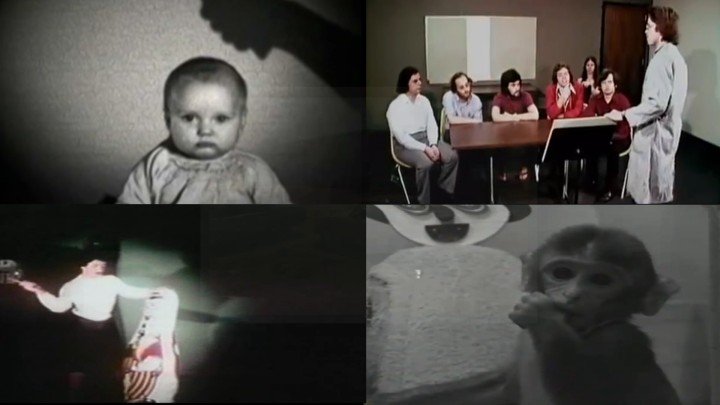
Laboratory Experiments
This film uses some famous psychological studies to explain the experimental method and illustrate how laboratory experiments are done, their strengths and limitations and, often forgotten, how these limitations do not apply uniformly to all experimental studies.
-
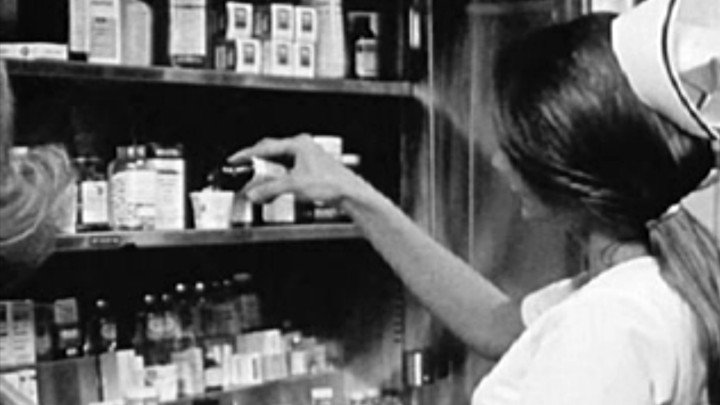
Field Experiments
Three classic studies – Hofling’s study of nurse obedience, Fischer’s test of the cognitive interview and the Pilliavins’ research on good Samaritans – are used to illustrate what field experiments offer psychologists compared to other experimental methods. The film also looks at the difficulties involved with setting up field experiments and examines their strengths and limitations.
-
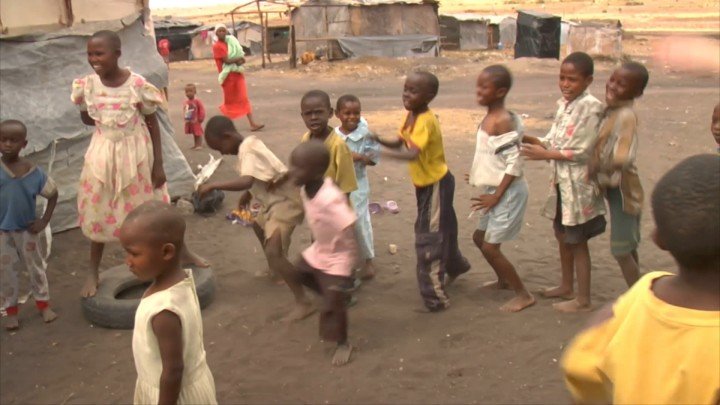
Natural Experiments
In natural experiments circumstances present researchers with an opportunity to test the effect of one variable on another in ways that could not be done in a laboratory experiment. This film looks at natural experiments in psychology to illustrate how they work, their differences from other methods, and their strengths and limitations
-
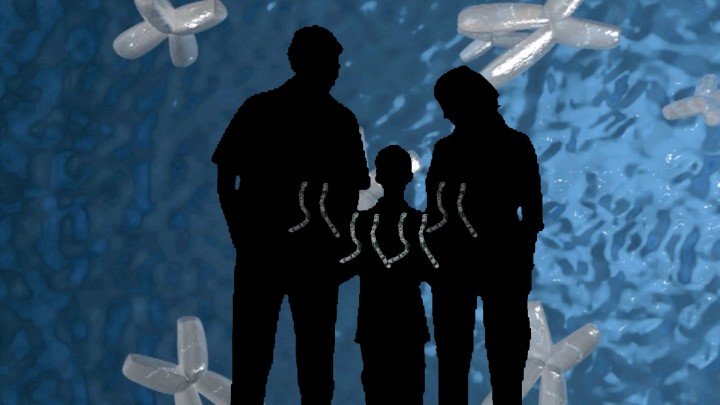
Beyond Genetics
There’s a revolution that is challenging a century of taken for granted assumptions about genetics and raising new questions. How does environment affect gene expression? Could we be passing on more than just our genes? This film provides an accessible introduction to a new science of epigenetics that is giving us a new way of understanding the mysteries of the interaction between nature and nurture.
-
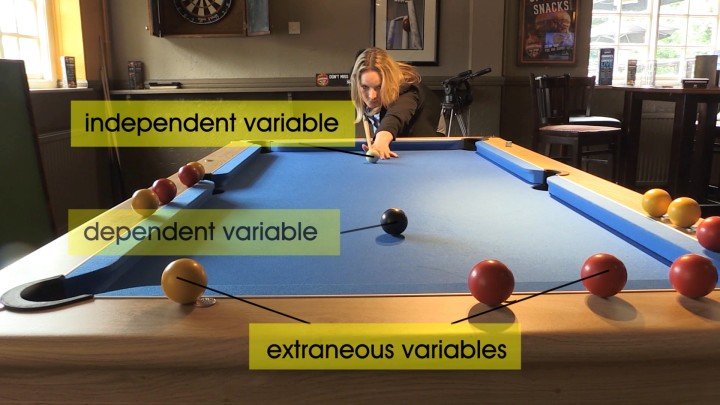
Experimental Research Methods in Psychology
This film combines three of our standalone films into one complete film, designed as an introductory overview to this area of a Psychology research methods course. The film includes a short introductory section that introduces the idea of psychological questions and the concept of operationalisation. This then leads into an examination of three types of experimental method (Laboratory, Field, and Natural) used in the operationalisation of psychological research.
-

Non-Experimental Research Methods in Psychology
This film combines three of our standalone films into one complete film, designed as an introductory overview to this area of a Psychology research methods course. Taking as its starting-point the idea some research questions simply cannot be studied by experimental methods, this film looks at alternative methods in psychology, using some key research examples to explain, illustrate and evaluate naturalistic observation, self-report and case study methods.
-

Rethinking Obesity: Nature via Nurture
This film explores an interactionist approach to obesity.
Part 1 shows how cultural and environmental changes have altered our relationship with food and created an ‘obesogenic environment’. But why isn’t everyone obese?
Part 2 filmed at the Dept. of Neuroscience at Cambridge University, Professor Giles Yeo explains the role of genetics in making some people more vulnerable to hunger and obesity than others. Part 3 looks at new research from University College London that illustrates how the interaction of environmental change and genetic vulnerability is creating a growing cycle of obesity that some experts believe could make the current generation of children the first to die before their parents.