
We spend about a third of our lives asleep. But why do we need to sleep? Filmed at a University Sleep Lab, this short film demonstrates the effects of lack of sleep and explains why it is so essential to brain function and, ultimately, to survival. An excellent resource for students new to the topic.
Subjects: Psychology
-
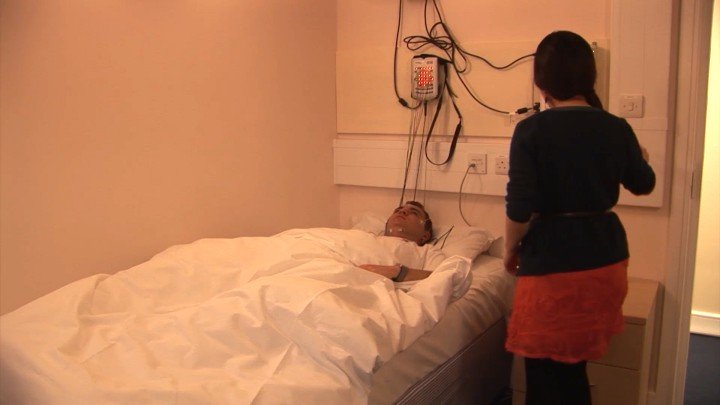
The Structure of Sleep
Until relatively recently what happens while we sleep was a mystery. But that changed with the advent of polysomnography, the electrical recording of brain activity. This short film provides students with a clear visual introduction to the stages of sleep. It also shows why we can’t fully understand our waking lives without understanding how sleep works.
-

Insomnia: Causes and Treatments
Insomnia’, says one of the respondents we interviewed, ‘can be as debilitating as a physical injury’. This film looks at the causes of insomnia, the cycle of sleeplessness, and Professor Kevin Morgan explains some of the treatments and their effectiveness.
-
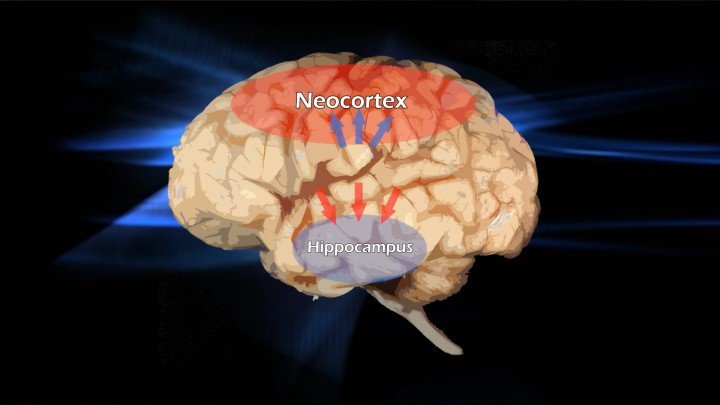
Sleep, Memory & Learning
While sleep rests and repairs the brain, it continues to be active and sleep psychologists believe one of the things it’s doing is helping to consolidate memories. This short film looks at Professor Gaskell’s research comparing participants who learn in the morning and are tested in the evening with those who learn in the evening and are tested in the morning after sleeping. It also provides students with very good for advice about the best time to learn new information.
-
Math in Psychology
Clear, step-by-step explanations on how to calculate and apply 6 types of psychological test: Spearman’s Rho, The Sign Test, Chi Square, Mann-Whitney Test, Probability tests and Wilcoxen Signed Ranks test. The calculation of each test is illustrated by an application to a contemporary psychological problem.
-
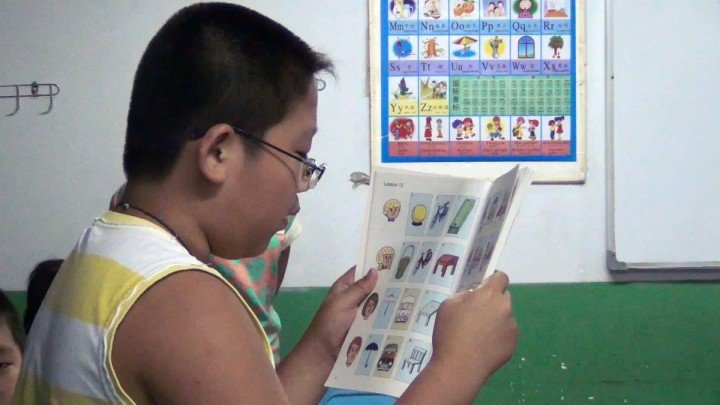
Ethnocentrism and Psychology
Might psychology have ethnocentric biases? This film begins by explaining the key concept of social construction and then illustrates three sources of potential ethnocentrism: researcher, conceptual and reporting bias. It also stresses the importance of evaluation. Is there clear evidence of ethnocentrism? Is ethnocentrism becoming less of an issue in a globalising world? And, does ethnocentrism apply in the same way to all branches of psychology?
-

Socially Sensitive Research in Psychology
While ethics is about the conduct of research, socially sensitive research is about the consequences. Might it harm some individuals or groups? Using the example of recent research into genetics and education, this film illustrates the questions typically asked about socially sensitive research and shows how problems may be anticipated and avoided.
-
The Usefulness of Psychological Research
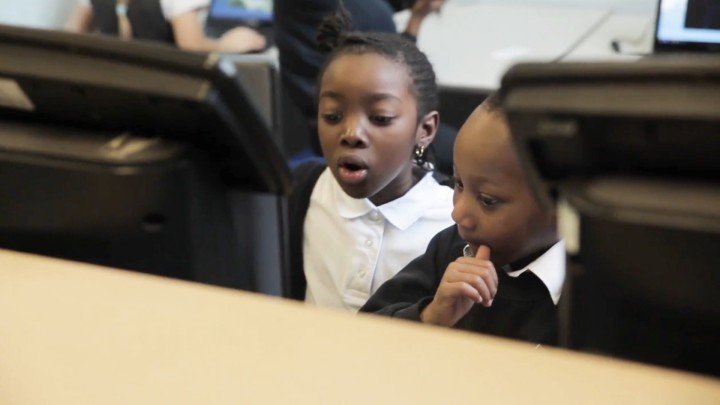
Have you ever wondered why some people claim to see the face of Jesus in their toast? Well, psychologists at the University of Toronto did. But why? This film uses a number of studies to illustrate how the usefulness of psychological research is assessed and evaluated. And if you’re wondering about the toast, it was a prize-winning study for its contribution to understanding face recognition.
-

Reductionism and Psychology
This film illustrates both the importance and limitations of reductionism in psychological explanation using the example of research into diet and obesity. It compares reductionism and holism and cautions students against simply using reductionism as a critique to be compared unfavourably with holism.
-
Psychology & Science
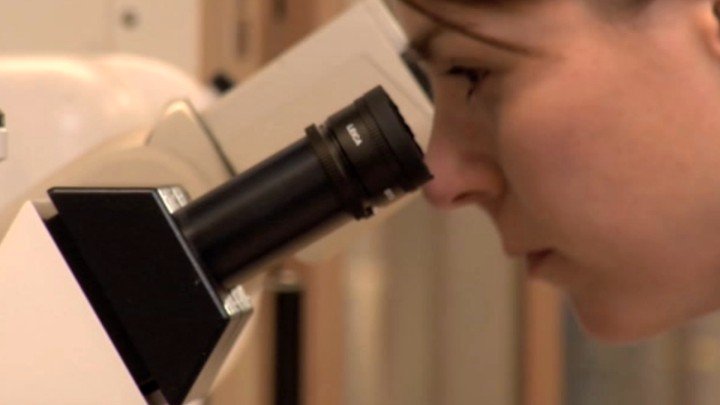
Is Psychology a science? This film explains the scientific method, illustrates its application in psychology, and shows how not all questions in psychology, particularly those involving peoples’ experiences and behaviour in real world situations, can be answered this way. The final part of the film advises students on techniques for answering psychology and science questions.