
Is human behaviour explained primarily by what we inherit (nature) or what we experience (nurture)? This film uses the example of whether there are ‘natural born killers’ to illustrate nature, nurture and interactionist approaches.
Subjects: Psychology
-
Experimental Design
What is the most effective time of day for students to learn new material? We begin with this research question to give practical illustrations of the strengths and possible limitations of repeated measures, independent measures and matched pairs experimental designs. We then look at three classic experimental studies in psychology, the Stroop Effect, Loftus’ eyewitness testimony experiments and Bandura’s bobo doll experiments to show why a particular experimental design was used in each case.
-

Observational Methods
Some research questions in psychology involve getting out and seeing how people actually behave in real life situations. This is called naturalistic observation. Using several key studies, this film illustrates different techniques of naturalistic observation, why psychologists use this method, some of the difficulties involved, and the limitations of the method.
-
Self-Report Methods
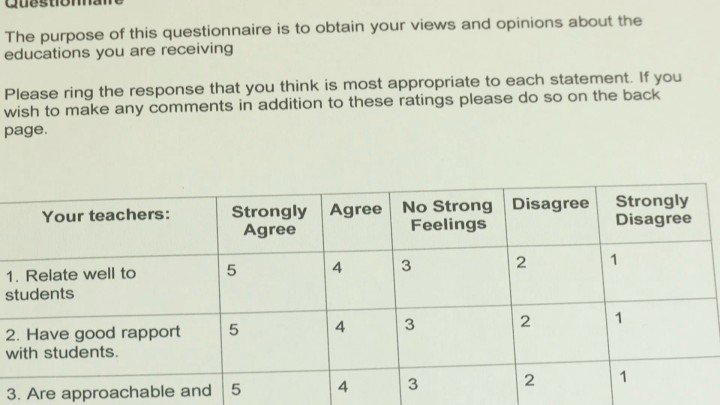
Self-report methods gather data directly from the participants. Here, we illustrate and compare questionnaire and interview methods, then look at some of the problems and limitations common to all self-report methods and show how they may be avoided or overcome.
-
Case Study Research
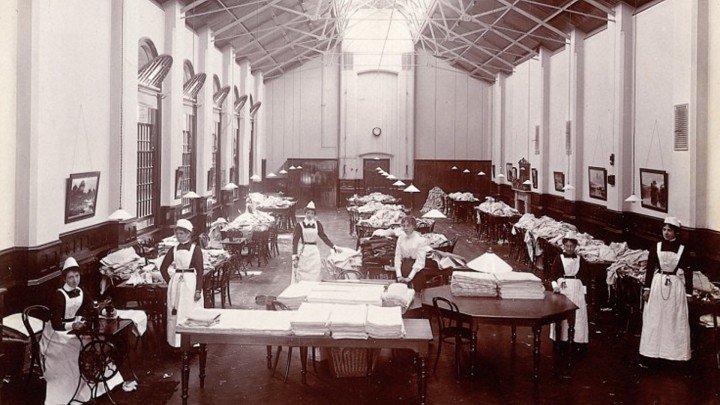
This film uses the well-known case of ‘Genie’, a girl kept in solitary confinement from infancy until she was 13, to illustrate the use of case studies in psychology; why and how they are used, what they can offer researchers, their limitations and some of the ethical issues that can often arise.
-
Correlations
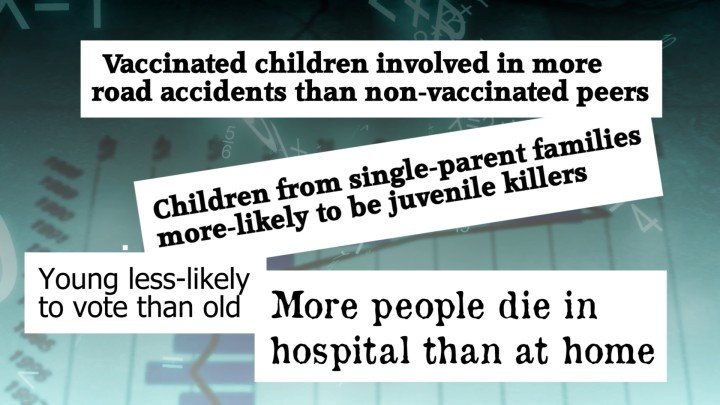
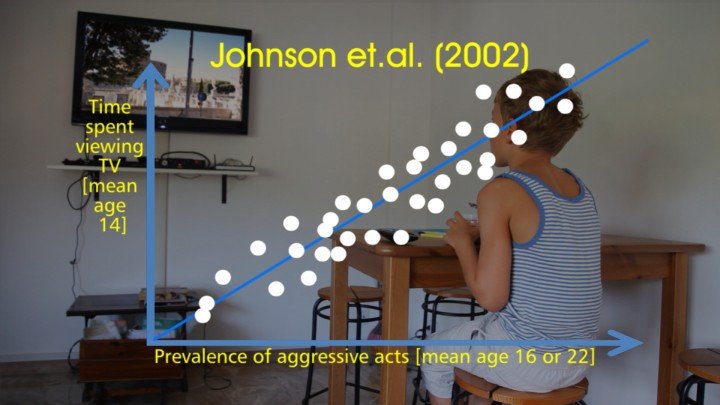
Correlations are relationships and this film begins by illustrating how the strength and direction of those relationships is measured. It then uses real research studies to illustrate the uses of correlations, their limitations and how easily correlation data can be misused.
-
Sampling
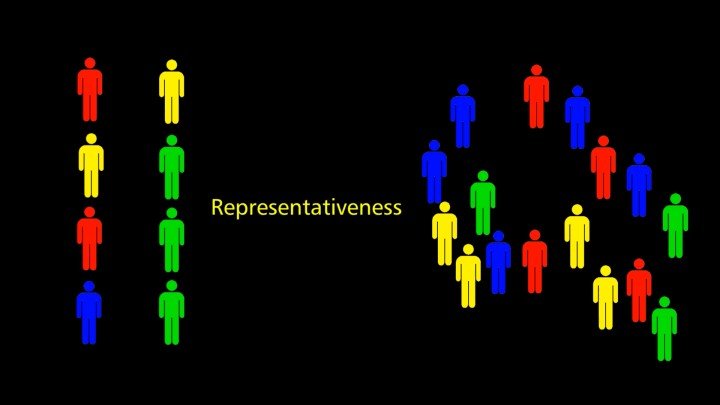
Sampling is crucial in psychology but can be difficult to understand. This film offers a helping hand with a series of visual images that take students through target population, samples, representativeness and generalisability. It then looks at how sampling is done, illustrating differences between probability and non-probability sampling, why different techniques are used and their strengths and limitations. The final part looks at how this knowledge can be used to help evaluate any study based on sampling.
-

Reliability & Validity
Psychologists have told us a lot about human behaviour, but can we trust the findings? This film looks at the part played by reliability and validity in helping to answer this question. Reliability and external and internal validity are explained and the key tests of face, concurrent and ecological validity are illustrated with examples from major psychological studies.
-
Variables
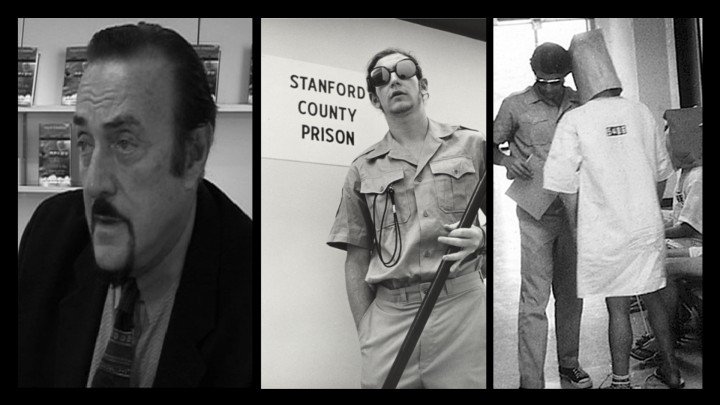
Although the idea of variables can seem dull and uninspiring, they are crucial because they’re everywhere in psychology. This film provides a clear introduction to this concept, explaining and illustrating the key questions of definition, types, reliability, validity and application.
-

Ethics & Ethical Issues in Psychology
This film begins by looking at how stricter ethical guidelines were developed in psychology. Using an on-going research project, it illustrates contemporary ethical guidelines and the issues arising from the potential conflicts between protecting participants and producing socially useful research. It ends by asking if ethical guidelines might have gone too far and are stifling important new research.