
Lindsay (Eekwol) grew up in the First Nations community. She experienced an unforgiving world of drugs, alcohol, and violence within her family. As a child, she lived in fear while her parents and their friends had endless parties that often broke out in fights. As she grew up in this environment, she soon developed into an abuser of drugs and alcohol herself. She fell victim to blackouts and, on one occasion, almost died lying unconscious on the highway. This seminal moment caused her devoted sister to give up on her – unless she changed her ways. For the first time in her life, she listened, and the path of being clean and sober led to becoming a successful solo female aboriginal hip hop artist.
Subjects: Psychology
-

Depression & Eating Disorder: Sterling’s Story
At the age of 13, Sterling was a cheerleader and cross country runner. After her uncle commented that she was getting a roll around her belly, Lindsay became obsessed with her weight. She stopped eating and, when she did eat, purging was the only option. She was losing weight beyond what was normal while still competing and running until the point where she mutilated herself and ending up in an institution. Lindsay was 5’7″ and weighed 95 pounds. Her body started to shut down. She stopped menstruating and the doctors warned her that she may never be able to have children. Her miraculous recovery is truly an inspiring story to all youth. The moral of this story: “One small unkind word can have devastating effects on another person’s life.”
-
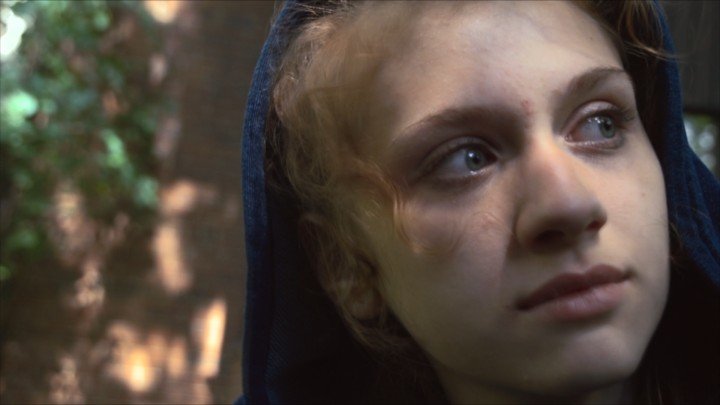
Don’t Diss My Abilities: Michelle’s Story
As a child and teenager, Michelle endured a series of events that was nothing short of soul crushing. She faced sexual abuse as a child and kept it a secret for years. At the age of sixteen she acquired a brain disease that rendered her blind. Her so-called friends bullied her at school. She fell into a deep depression and turned to drugs, alcohol, and self-harm to numb her pain, but nothing seemed to help. She felt her only option was suicide. Thankfully, a miraculous turn of events saved her life and now this remarkable young woman faces all her adversity with such positive energy that it has become infectious and humbling to all that know and love her.
-
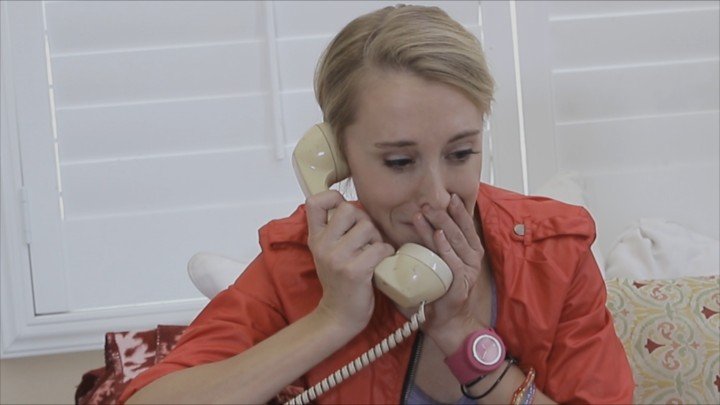
Broken Families: Lydia’s Story
Lydia’s life as a child was filled with family dysfunction, drugs, abuse, and the death of her mother. She ended up in the foster care system before the age of 10 and would endure moving between 36 different foster homes. Lydia was left with a lack of identity, belonging, and self-worth. The longing for her family and her loneliness created a cycle of destruction or “acting out.” Nothing or no one could fill the void she felt. Somehow, she found an incredible strength to turn her life around. Living out of a car, she put herself through school and became determined to have her own family, providing a loving home for her two children; something she never had.
-
The Trouble with Dying
After being diagnosed with late stage ovarian cancer, Cindy Cowan wants the right to choose how she is going to die. Linda Jarrett has suffered from multiple sclerosis for over 15 years. She is investigating the options for ending her life, before her degenerative disease makes it impossible for her to act on her own. Currently, medically assisted dying is illegal in Canada. And while some advocates, such as Dr. Richard MacDonald believe offering terminal patients help in ending their lives is the compassionate thing to do, opponents such as Professor Margaret Sommerville believe the medical system must uphold respect for all human life. The issues surrounding the right-to-die debate are further coming to a head since Quebec introduced legislation in 2013 that would allow for medically assisted dying in some cases. Cindy and Linda examine the options available to them, confronting their own mortality in the process.
-
Concepts in Psychology – Part 1
This program looks at issues such as What are Ethics? Free will and Determination, Situational Theory, Ethical Issues in Psychology along with a short clip introducing psychology as a subject. Presented by Dr Steven Taylor and chapterised for ease of use, this resource will be invaluable for all Psychology Students.
-
Concepts in Psychology – Part 2
This program looks at issues such as reductionism, correlation and causation, the use of non human animals in research, science and psychology and more. Presented by Dr Steven Taylor and chapterised for ease of use, this resource will be invaluable for all students.
-
Aggression
Are all people capable of murder? What drives people to violence? Can TV affect our actions and even influence us to acts of violence? This interview-led documentary style program examines aggressive media, aggressive behavior and the banality of evil with the support of original film footage of research and actual crimes. An excellent resource for studies in applied psychology, this program features research psychologists providing explanations and reasoning behind aggression.
-
Attachment
This program includes both historical and current research methods and models of attachment behavior. We examine Bowlby, a British psychologist, psychiatrist and psychoanalyst, notable for his pioneering work in attachment theory. An excellent resource for studies in both academic and applied psychology, this program explores Bowlby’s ’44 juvenile thieves’ study and the effects of separation, patterns of attachment, behaviorism, nurturance as well as security, and insecure-resistant and insecure avoidant children.
-
Personal Construct Theory
Discusses the systematic theory of personality offered by Kelly. The video class learns about George Kelly’s “Fundamental Postulate”, considers the pros and cons of his theory, and participate in an experiment to see how their own personal construct relates to the prediction and control of events.