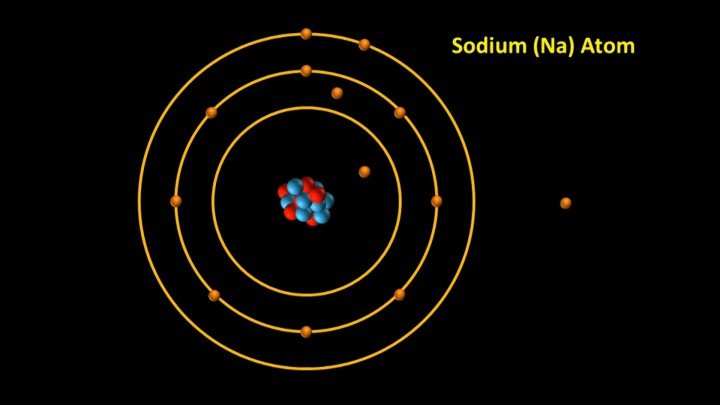
We look at how electrons are arranged within atoms in electron shells, and at how the Periodic Table is organised to reflect these arrangements. We demonstrate a variety of experiments which led to the discovery of electron shells and finish by taking a brief look at the size of atoms.
Subjects: Chemistry
-
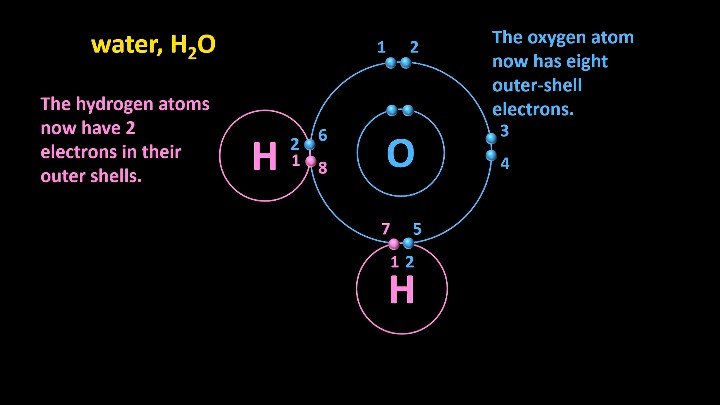
Covalent Bonding
We look at how the atoms of non-metals bond together with covalent bonds to form molecules, introduce electron dot diagrams and structural formulas, explain how the electron configuration of an atom affects the number of bonds it can make, and finally introduce the topic of organic chemistry.
-
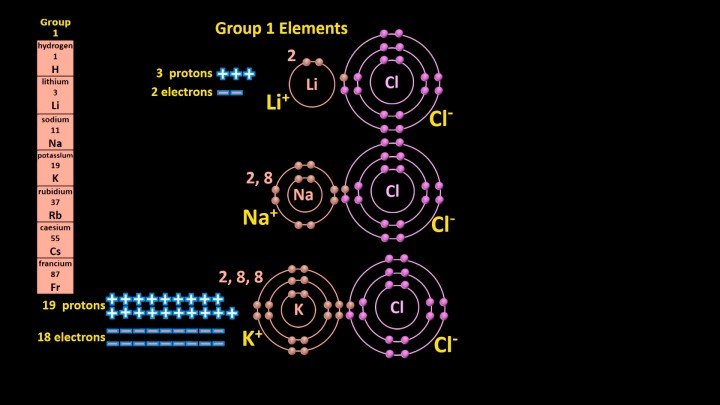
Ionic Bonding
We look at how the atoms of metals bond with the atoms of non-metals with what are called ionic bonds. We show how atoms can gain or lose electrons (in chemical reactions involving metals and non-metals), and that the number of electrons gained or lost depends on an atom’s electron configuration. We finish by comparing ionic compounds with covalent compounds, and explain the difference, at the atomic level, between solids, liquids, and gases.
-
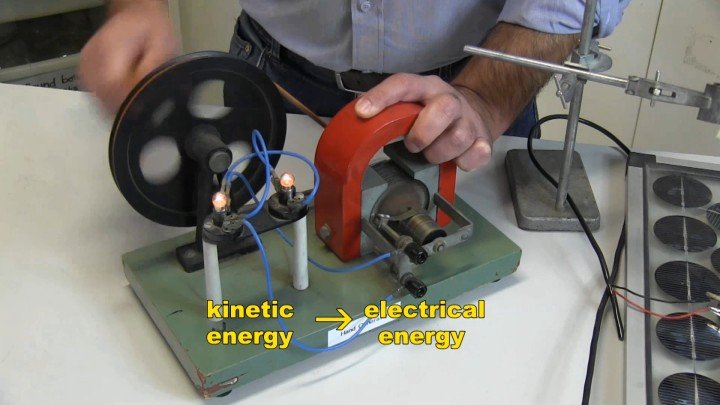
Forms of Energy
We introduce students to the different types of energy that affect their lives daily and describe how energy can change from one form to another. We also explore one of the most important discoveries ever made.
-
Measuring Energy
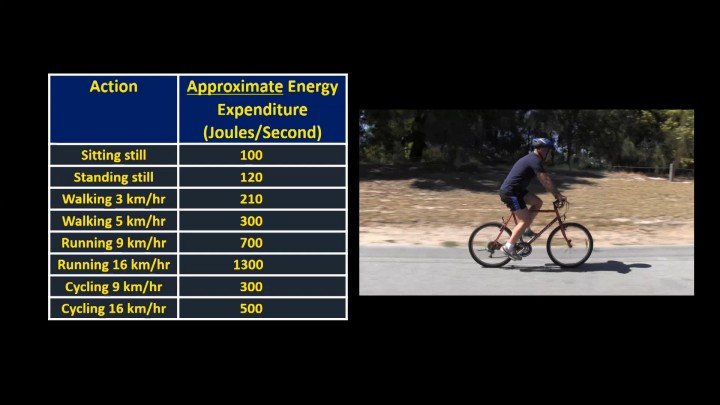
We introduce students to the Joule, the unit for energy. We look at how much energy is stored in different foods by comparing apples and oranges (normally a no-no) and we discuss how much energy we need to do certain things including nothing much at all. We then explore the concept of energy balance and reveal the two simple rules for weight loss. That’s right, there are only two!
-
Acids and Bases
Acids and bases are all around us. This program features the following: – Early theories of Arrenhius and Lowry-Bronsted. – Valence structures. – Exposed protons and proton transfer. – Diprotic and triprotic acids linked to structures. – Amphiprotic example given by hydrogen sulphate ion. – The pH scale and the use of indicators to measure pH. – Conjugate pairs and strengths of acids with strong acids giving weak conjugate bases. – Standard reactions: acid + metal, acid + oxide, acid + carbonate, acid + hydrogen carbonate.
-
Equilibrium: The Concepts
Starting with defining reversible reactions, this program covers the basic concepts of chemical equilibrium and the equilibrium law. Examples and analogies are used throughout to represent the concept of equilibrium, including: movement of cars in and out of a car park; movement of a person walking the opposite way to a moving walkway; and the movement of people on and off paddleboats. Sample calculations are provided, with stopping points suggested so students can tackle a similar calculation. Finally, the program considers what an equilibrium constant indicates about a reaction – in terms of the relative quantities of reactants and products present at equilibrium. Carbon monoxide in the bloodstream is used to illustrate this point
-
The Cycles: Water, Carbon, Nitrogen, Phosphorus
Change is a constant of life. The natural cycles that balance and regulate our Earth and atmosphere provide the necessary conditions for sustaining a diverse range of life forms on the planet. But what actually occurs in these cycles? The Cycles Collection looks at the critical role the carbon, nitrogen, phosphorous and water cycles play in the life of plants, animals, bacteria and our planet. This motion-graphics driven program simply yet clearly explains the key stages and processes of each cycle and why the cycles are so important to all life on our planet. An ideal resource for viewers seeking a scientific understanding of these cycles.
-
Water: A Unique Chemical
Water is a unique chemical. Without it, life as we know it cannot exist. It exists in all three phases naturally on Earth. At first glance, the chemistry of water appears a very simple, but it has some remarkable and unique properties, because of its molecular structure and composition. This excellent production examines some of water’s important chemical properties, including its polarity and the strength of bonds between water molecules, dispersion forces, heat capacity and its ability to self-ionize. Sections are titled: water, a unique chemical; the three states of being; the nearly universal solvent; and water and chemical reactions. It is an ideal learning resource for senior secondary level students of Chemistry, with high quality imagery used to explain complex principles.
-
Chemical Analysis Techniques
Chemical analysis has wide-ranging applications, from its use in many different industries such as mining, environmental management and chemical manufacturing, to forensic science and cutting-edge medical testing and procedures. This high quality production explores a range of important chemical analysis techniques, including chromatography, mass spectrometry, infra-red and nuclear magnetic resonance (NMR). It explains how chemical principles are applied in the various analysis techniques and how it is possible to identify very specific chemical elements and compounds using them. Students of Chemistry will find the structure of this outstanding resource, together with the graphics and other visual imagery, engaging and effective in explaining the range of concepts covered.