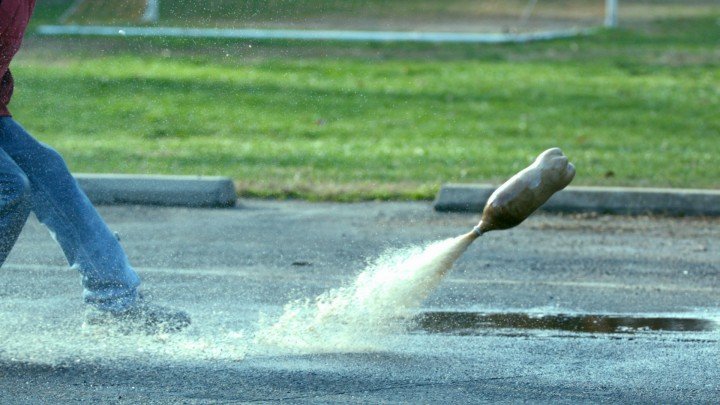
Learn all about chemical reactions with new, precise, yet easy-to-understand, definitions and explanations. What is the difference between a physical and chemical change in matter? What are the parts of a chemical reaction? How are chemical bonds affected in chemical reactions? What changes in properties occur as a result of chemical reactions? What changes in energy occur as a result of chemical reactions? What is the Conservation of Matter? The answers to all of these questions are covered in depth with graphics, diagrams and exciting video. On-screen, multiple-choice reviews at the end of each segment reinforce important concepts and make learning fun.
Subjects: Chemistry
-

Temperature
In Episode 1, Temperature, we get down to the atomic level to explain how hot things are different to cold things, we describe what a temperature scale actually tells us, and demonstrate how we measure the amount of heat energy that water absorbs when it’s heated.
-
Changes of State
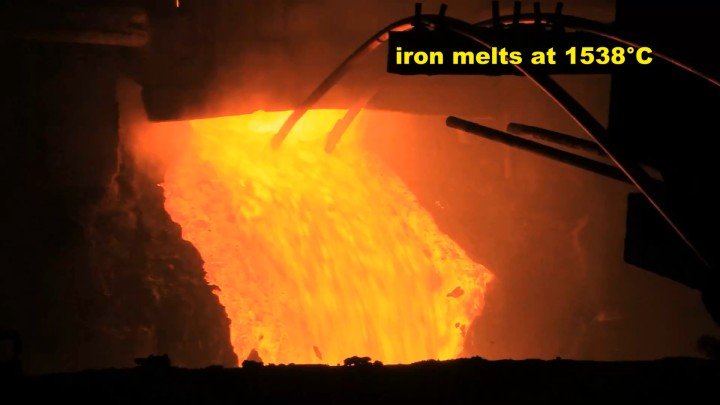
In Episode 2, Changes of State, we look at the differences between solids, liquids, and gases, and at why things change state when they absorb or lose heat energy. We also look at the strange example of carbon dioxide, which doesn’t follow the same rules that that most other substances do!
-
Thermal Expansion
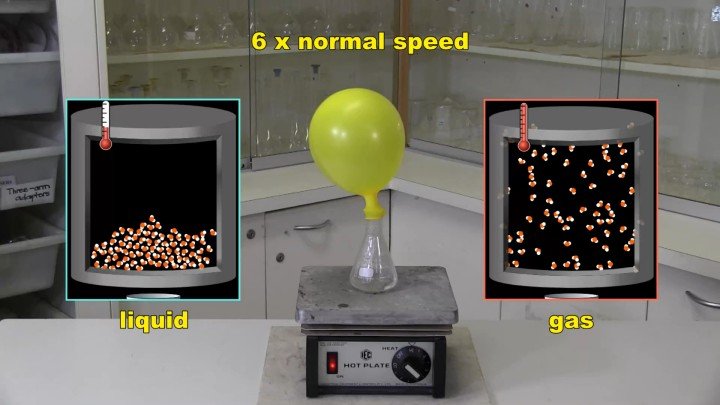
In Episode 3, Thermal Expansion, we look at the fact that substances expand when they get hot and contract when they get cold and we explain why they do. We look at how thermal expansion can be a real nuisance, but also how we can put thermal expansion to good use for the good of the world!
-
The Kelvin Scale
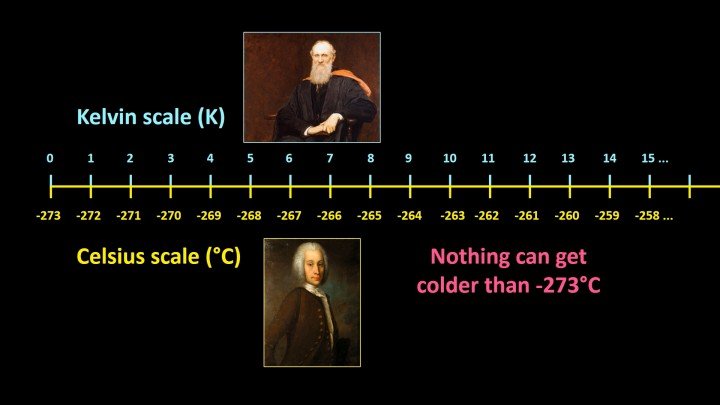
In Episode 4, The Kelvin Scale, we look at the temperature scale that in many ways is superior to the Celsius and Fahrenheit scales. Zero on the Kelvin scale is equal to -273ºC. And why is -273ºC so special? Because that’s the coldest temperature you can get!
-
Heat Transfer
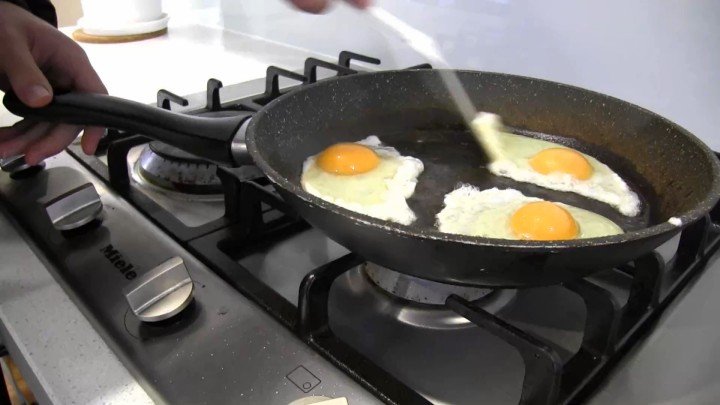
In Episode 5, Heat Transfer, we look at the three ways that heat energy can transfer from one thing to another: conduction; convection; and radiation. A heat source is useless if heat energy can’t transfer from the heat source to whatever you want heated. Understanding heat transfer is essential if you want to cook good food and if you want to stay warm when it’s cold and stay cool when it’s hot.
-
Chemical Chaos
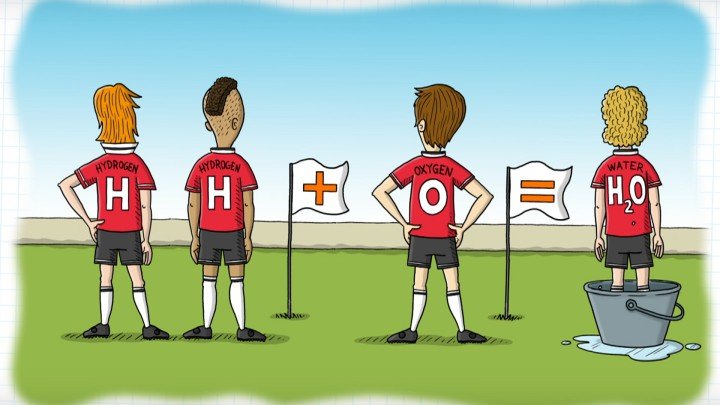
Explosions, atoms, and fiendish forces that bubble, bang, and bump! What makes things explode?
Lucy has made a mistake in the show’s script and now everyone thinks the show is about ‘elephants!’ It’s a disaster, especially as they have legendary scientist Marie Curie on the show.
-

Energy Efficiency
We introduce students to the concept of efficiency, which is a measure of how much useful energy you get out of something compared to the amount of energy that you put into it. We answer a bunch of questions including:
- How much light energy do we get out of light globes compared to the amount of electrical energy that goes into them? Hint: it’s not much; they should be called heat globes!
- How much kinetic energy do we get out of cars compared to the amount of chemical energy that we put into them? Hint: it’s a bit more, but not that much more!
- And how do our arched feet make us the long-distance running champions of the animal world?
This video is the most energy-efficient way of learning everything that you need to know about energy efficiency!
-
The Periodic Table
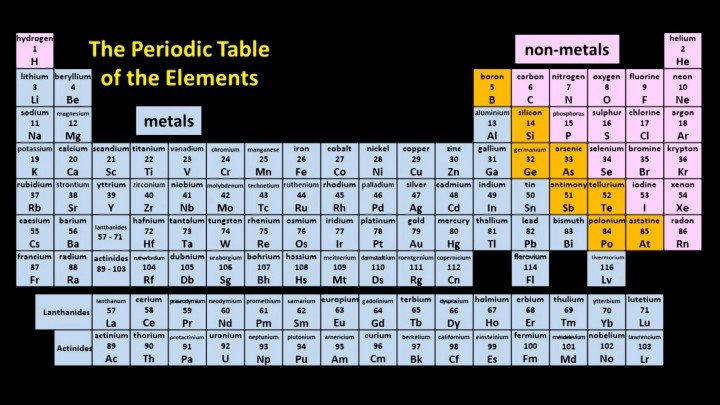
We begin by comparing and contrasting metals with non-metals. We then describe how Dmitri Mendeleev, the scientist who devised the first Periodic Table, organised the elements not just into metals and non-metals but also into groups based on patterns in the way that they chemically react. Finally, we explain how Mendeleev was able to use the Periodic Table to predict the existence of, and many of the properties of, elements that hadn’t at the time been discovered!
-
Protons, Neutrons, and Electrons
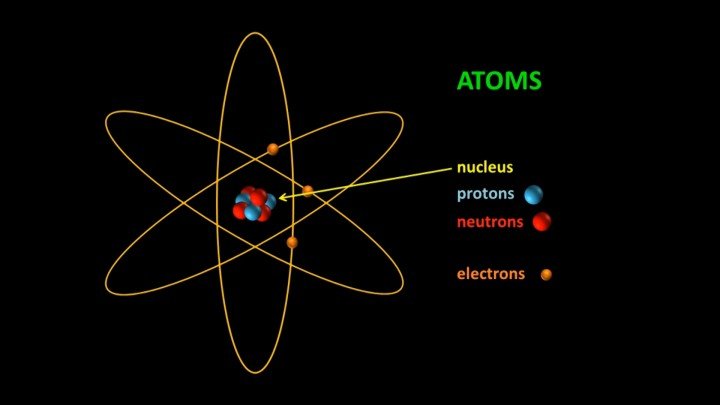
We take a look at the three types of particles that make up atoms and describe how they are arranged within atoms. Using live demonstrations and outstanding animations, we then look back at the experiments that led to the discovery of these three particles.