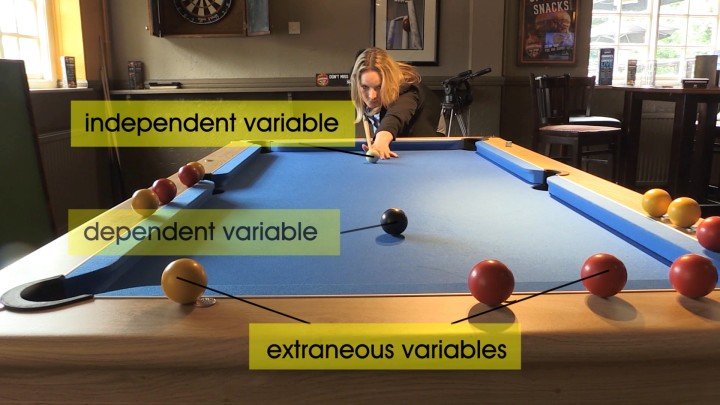
This film combines three of our standalone films into one complete film, designed as an introductory overview to this area of a Psychology research methods course. The film includes a short introductory section that introduces the idea of psychological questions and the concept of operationalisation. This then leads into an examination of three types of experimental method (Laboratory, Field, and Natural) used in the operationalisation of psychological research.
Producers: ShortCutsTV
-
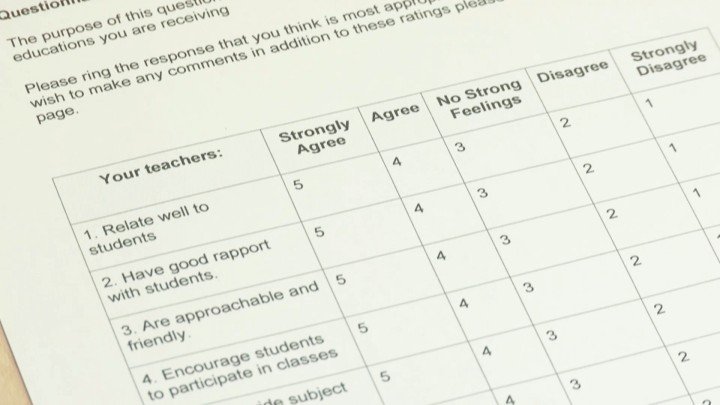
Non-Experimental Research Methods in Psychology
This film combines three of our standalone films into one complete film, designed as an introductory overview to this area of a Psychology research methods course. Taking as its starting-point the idea some research questions simply cannot be studied by experimental methods, this film looks at alternative methods in psychology, using some key research examples to explain, illustrate and evaluate naturalistic observation, self-report and case study methods.
-
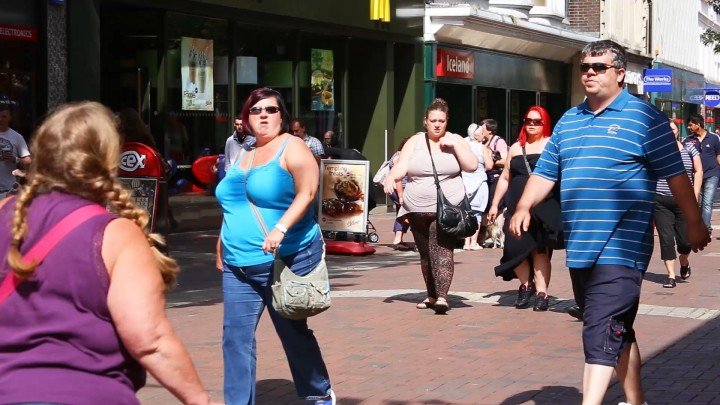
Rethinking Obesity: Nature via Nurture
This film explores an interactionist approach to obesity.
Part 1 shows how cultural and environmental changes have altered our relationship with food and created an ‘obesogenic environment’. But why isn’t everyone obese?
Part 2 filmed at the Dept. of Neuroscience at Cambridge University, Professor Giles Yeo explains the role of genetics in making some people more vulnerable to hunger and obesity than others. Part 3 looks at new research from University College London that illustrates how the interaction of environmental change and genetic vulnerability is creating a growing cycle of obesity that some experts believe could make the current generation of children the first to die before their parents. -
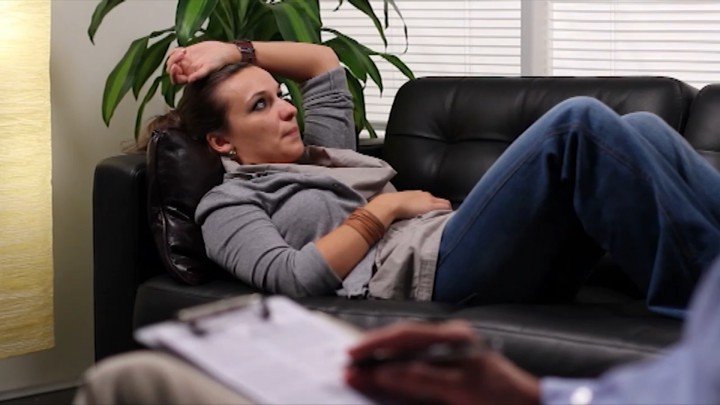
Lost in the Mall: The Memory War
From the late 1990s recovered memory therapy was sweeping across America. In the legal cases that followed, experts assured the courts of the validity of ‘repressed memory’ and that no-one could have false memories. Professor Elizabeth Loftus, a leading expert in memory, wasn’t so sure. In this film, she explains how her ‘lost in the mall’ technique demonstrated the creation of false memories. The ‘memory war’ that followed not only threatened her professional reputation but also her life.