The Columbine High school shooting was the most covered news story of 1999 in the United States. It set a precedent for the blanket coverage of random mass killings we see today: the rush to the crime scene; the pictures of the killer; their life story; their posts. But could this media coverage be contributing to the problem? This film looks at the evidence and the movement to change media coverage of mass shootings.
Producers: ShortCutsTV
-
Secularisation: The Decline of Religion?
With contributions from leading experts on the study of religion, this film gives students a new take on secularisation theory. While secularisation theory assumes that in pre-modernity religion was everywhere whereas in modernity it’s almost nowhere, more recent research suggests that rather than disappearing, religion is undergoing a process of diversification, with the emergence of new and different forms of spirituality. The film introduces students to the concept of secularisation, its relationship to modernisation, and a range of evaluative points that can be brought to bear in any discussion of secularisation.
-
Of Mice and Monkeys: Ethical Issues in Animal Research
Psychological research is governed by a strict code of ethics covering things like obtaining participants’ consent; protecting them from possible harm and allowing them to withdraw from the research. But there are some “participants” who can’t give consent, may be harmed and are unable to withdraw from the research. Using research examples, this film looks at the use of non-human animals in research. Why are they used? What are the benefits? What is being done to protect them? And, is any research with non-human animals a breach of their ‘rights’?
-

Media and Aggression
Can we learn aggression from aggressive media? This film looks at experimental, longitudinal and case study research evidence and how social learning, script theory and susceptibility approaches can help understand and explain this evidence.
-
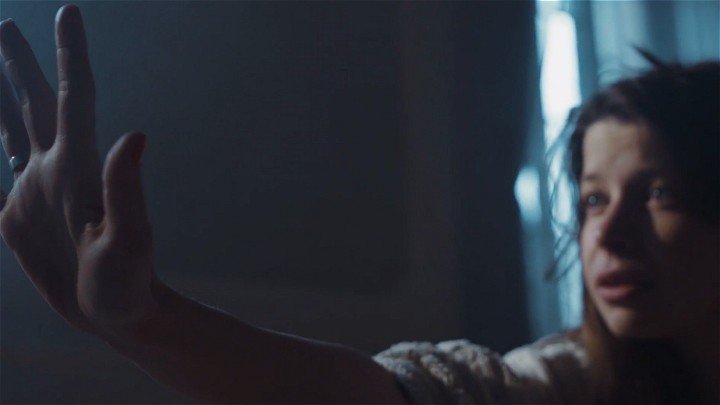
Rosenhan: Being Sane in Insane Places
This haunting film provides a brilliant summary of one of the most infamous experiments ever conducted in psychology, looking at its origins, methods, quite extraordinary findings and its lasting impact on psychiatry.
-
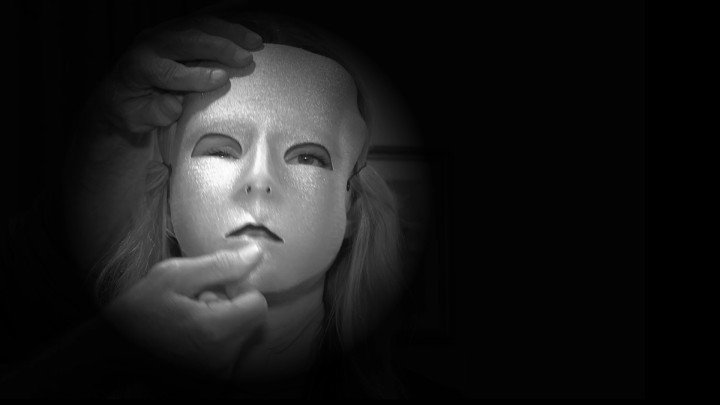
Unmasking: The End of Debate?
Based on new work by a Prof Peter Baehr that suggests debate and evidence are being replaced by accusations against individuals and that a great deal of behaviour is based on illusions. This controversial topic is illustrated with film examples.
-
A Mythology of Mass Killers
Mass killings, described by the FBI as four or more unlawful killings in a single event, devastate communities and create fear across countries. But if we’re going to begin to understand what makes someone randomly kill large numbers of people, it’s important to distinguish between the evidence and the mythology. This film examines three major myths: that random mass killings are a relatively recent phenomenon; that all mass killers are insane; and that mass killing is a form of “suicide by cop”.
-
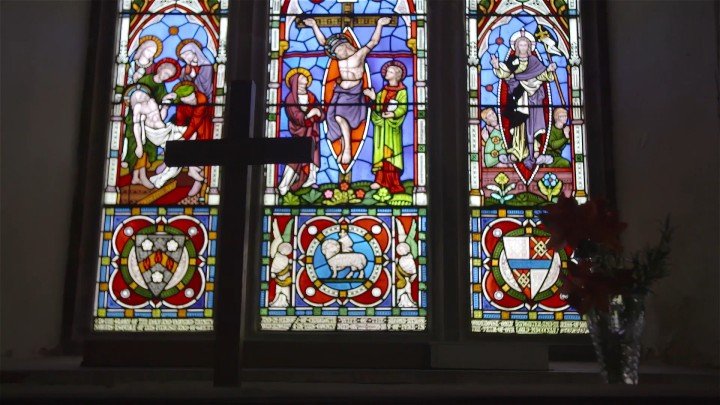
Religion: What it Is and What it Does
Ask a hundred people what they think religion is and you’ll probably get a hundred different answers. However, to study religion we have bring together more general ideas about what religion is and what it does. This film, with Professor Eileen Barker of the London School of Economics, explains and illustrates the two dominant sociological approaches to religion: substantive (or exclusive) and functional (or exclusive). A great introduction for students new to the topic.
-

New Religions: Alternative Spiritualities?
Sometimes practised far away from the world and sometimes in the full glare of hostile media, there are thousands of new religions. With examples, such as the Moonies, Scientology, the Missionary Church of Kopimism, Paganism and the doomsday cult Heaven’s Gate, this film identifies some of the characteristics of these new religious movements and how some scholars see their rise as an example of a major cultural shift where increasing numbers of people are losing faith in large institutions.
-
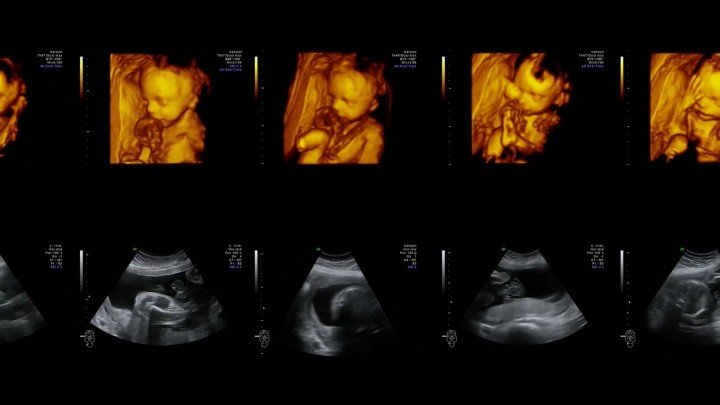
The Ethics of Abortion: When Does Life Begin?
The controversies surrounding abortion involve a clash between two fundamental rights: the right of the unborn child, or foetus, and the rights of the mother. This film begins with the storm created by leading case of Roe vs Wade and then provides students with an unbiased analysis of the ethical issues underlying demands for the criminalisation and the legalisation of abortion.