
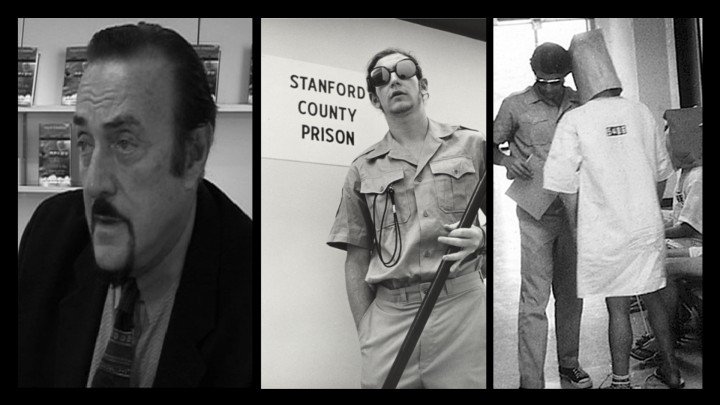
Most psychology is individualistic, suggesting that people’s behaviour is a product of their biological inheritance and personal experiences. This short film, using original footage from Zimbardo’s famous Stanford Prison Experiment, illustrates an alternative idea that people can be literally transformed by the situations in which they find themselves.
Producers: ShortCutsTV
-

Bowlby: Attachment & Maternal Deprivation
In the 1930s a young psychiatrist noticed how many of the disturbed children he saw had been separated from their parents in early life. This was John Bowlby whose work had a massive influence on how psychologists thought about child development. This film explains the key aspects of his classic theory of attachment: the innate need to bond, the care of an attachment figure and maternal deprivation. An ideal introduction to support students starting this topic.
-

Ainsworth: The Strange Situation
While John Bowlby focussed on the consequences of a lack of attachment, Mary Ainsworth took a step back and looked at the nature of attachment and famously documented different types. In this film we look at her classic strange situation with film of the experiments and expert comment from three psychologists.
-

Mind-Mindedness and Attachment Security
Psychologists have long been aware that attachment security may be transmitted from one generation to the next. But how does this happen? A new idea here is the importance of mind-mindedness, a carer’s ability to tune into what their child may be thinking or feeling. This film looks at Professor Elizabeth Meins’ influential experimental research showing that mind-mindedness is a clear predictor of attachment security.
-
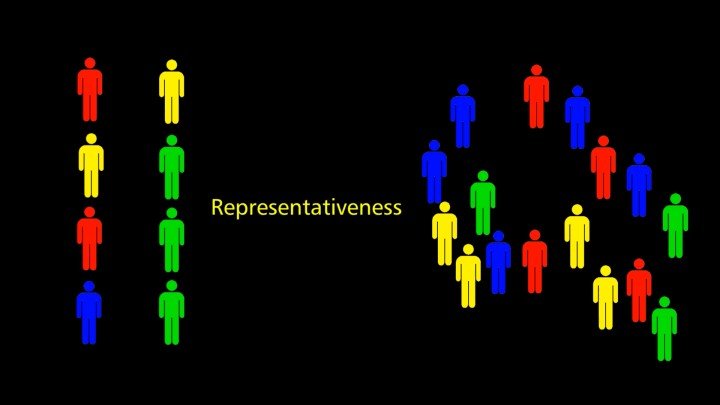
Sampling
Sampling is crucial in psychology but can be difficult to understand. This film offers a helping hand with a series of visual images that take students through target population, samples, representativeness and generalisability. It then looks at how sampling is done, illustrating differences between probability and non-probability sampling, why different techniques are used and their strengths and limitations. The final part looks at how this knowledge can be used to help evaluate any study based on sampling.
-

Reliability & Validity
Psychologists have told us a lot about human behaviour, but can we trust the findings? This film looks at the part played by reliability and validity in helping to answer this question. Reliability and external and internal validity are explained and the key tests of face, concurrent and ecological validity are illustrated with examples from major psychological studies.
-
Variables
Although the idea of variables can seem dull and uninspiring, they are crucial because they’re everywhere in psychology. This film provides a clear introduction to this concept, explaining and illustrating the key questions of definition, types, reliability, validity and application.
-

Ethics & Ethical Issues in Psychology
This film begins by looking at how stricter ethical guidelines were developed in psychology. Using an on-going research project, it illustrates contemporary ethical guidelines and the issues arising from the potential conflicts between protecting participants and producing socially useful research. It ends by asking if ethical guidelines might have gone too far and are stifling important new research.
-
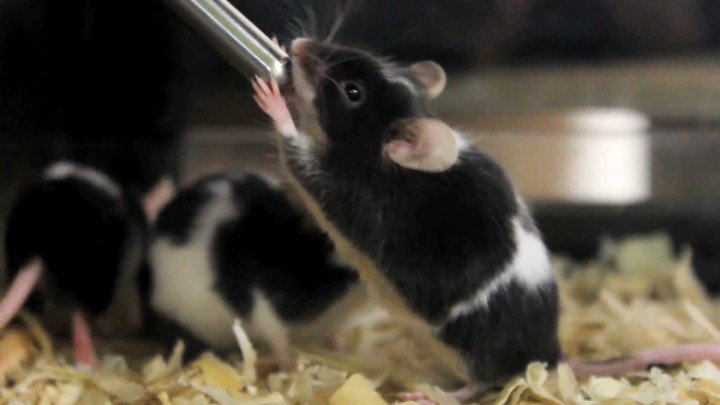
Using Non-Human Animals in Research
This film begins with how animals were used in psychological research by looking at Harlow’s experiments, where baby rhesus monkeys were isolated in ‘the pit of despair’. It explains the current ethical and legal regulation of using animals in research, illustrates how decisions are made, and ends with the question of whether animals should ever be used in research.
-
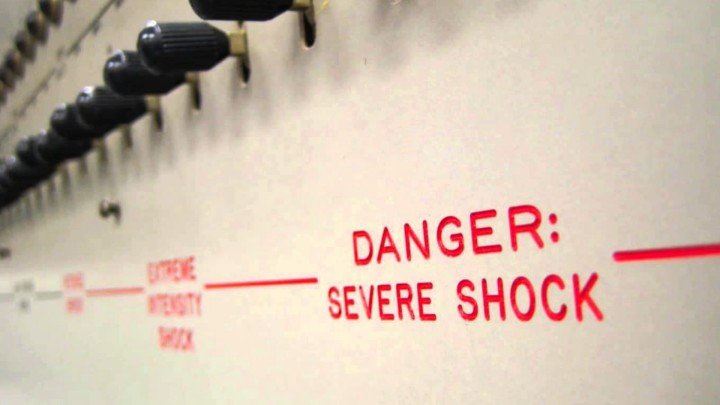
Aftershock: Obedience & Identity
Milgram’s obedience experiments are among the most famous studies ever conducted in psychology. Generations of students have been taught that they demonstrated how easily ordinary people can be persuaded to harm others when instructed to by a person in authority. But did Milgram’s research really show that? Using original footage and new documentary evidence, this film suggests that Milgram’s experiments demonstrate something rather different, that obedience to authority is a consequence of social identity.