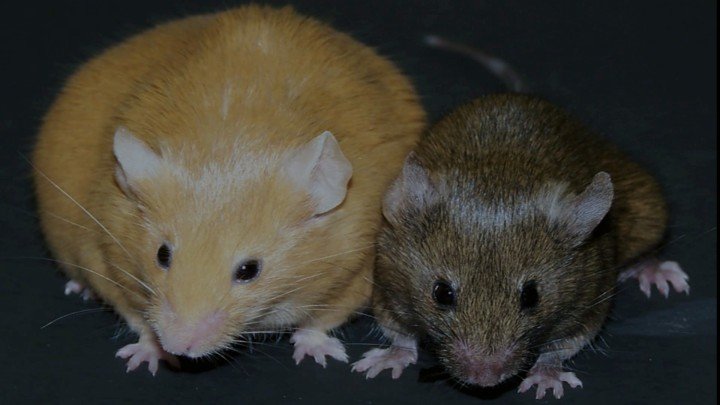
The foetal susceptibility hypothesis suggests the nourishment an embryo receives from its a mother is a major determinant of health in later life. In this film, Professor Randy Jirtle tells the story of his ground-breaking experiment at Duke University that provided the first ever scientific evidence of the causal influence of maternal diet on offspring health prior to birth. It showed how the genetic destiny of an embryo can be altered by changes in maternal diet and it is now one of the most widely quoted scientific studies of all time.
Producers: ShortCutsTV
-
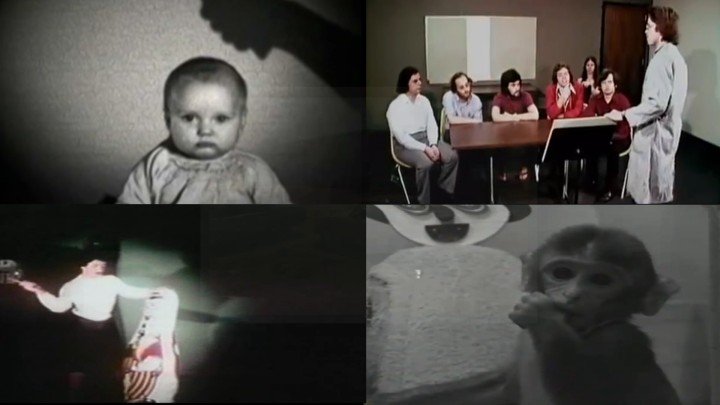
Laboratory Experiments
This film uses some famous psychological studies to explain the experimental method and illustrate how laboratory experiments are done, their strengths and limitations and, often forgotten, how these limitations do not apply uniformly to all experimental studies.
-
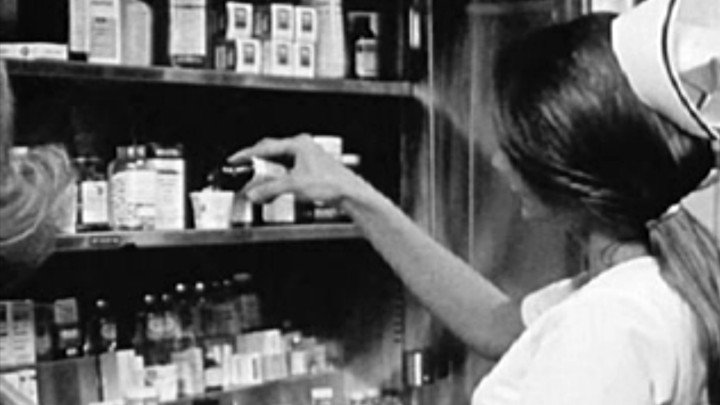
Field Experiments
Three classic studies – Hofling’s study of nurse obedience, Fischer’s test of the cognitive interview and the Pilliavins’ research on good Samaritans – are used to illustrate what field experiments offer psychologists compared to other experimental methods. The film also looks at the difficulties involved with setting up field experiments and examines their strengths and limitations.
-
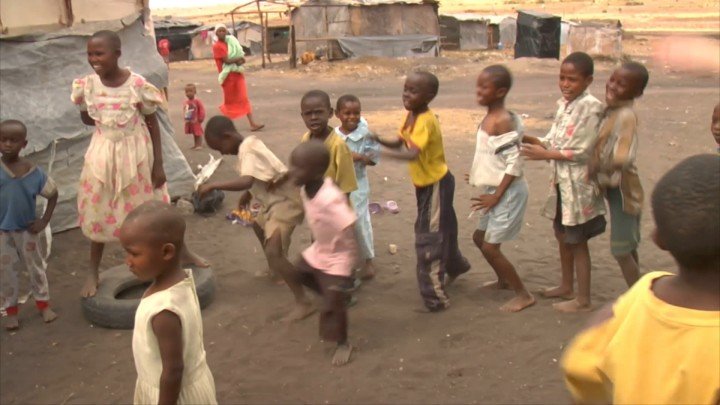
Natural Experiments
In natural experiments circumstances present researchers with an opportunity to test the effect of one variable on another in ways that could not be done in a laboratory experiment. This film looks at natural experiments in psychology to illustrate how they work, their differences from other methods, and their strengths and limitations
-
Experimental Design
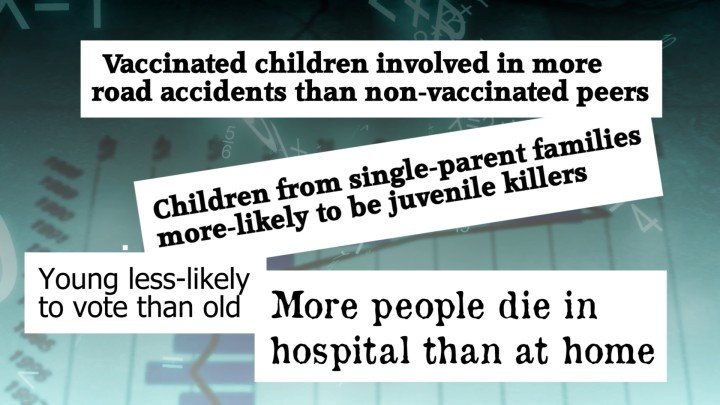
What is the most effective time of day for students to learn new material? We begin with this research question to give practical illustrations of the strengths and possible limitations of repeated measures, independent measures and matched pairs experimental designs. We then look at three classic experimental studies in psychology, the Stroop Effect, Loftus’ eyewitness testimony experiments and Bandura’s bobo doll experiments to show why a particular experimental design was used in each case.
-

Observational Methods
Some research questions in psychology involve getting out and seeing how people actually behave in real life situations. This is called naturalistic observation. Using several key studies, this film illustrates different techniques of naturalistic observation, why psychologists use this method, some of the difficulties involved, and the limitations of the method.
-
Self-Report Methods
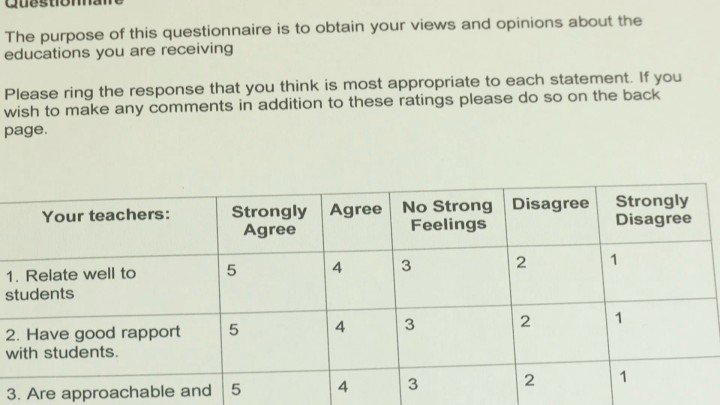
Self-report methods gather data directly from the participants. Here, we illustrate and compare questionnaire and interview methods, then look at some of the problems and limitations common to all self-report methods and show how they may be avoided or overcome.
-
Case Study Research
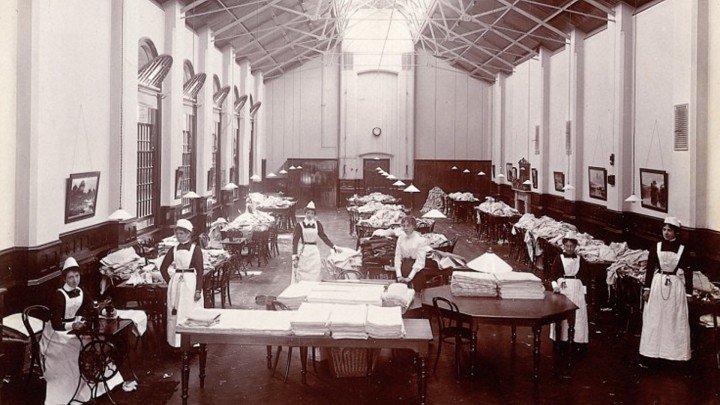
This film uses the well-known case of ‘Genie’, a girl kept in solitary confinement from infancy until she was 13, to illustrate the use of case studies in psychology; why and how they are used, what they can offer researchers, their limitations and some of the ethical issues that can often arise.
-
Correlations
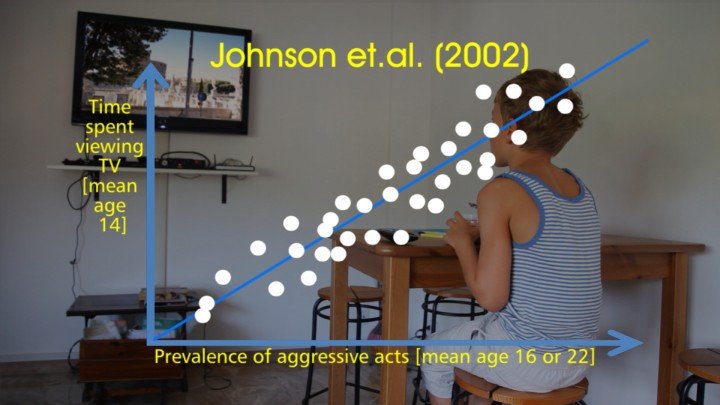
Correlations are relationships and this film begins by illustrating how the strength and direction of those relationships is measured. It then uses real research studies to illustrate the uses of correlations, their limitations and how easily correlation data can be misused.
-
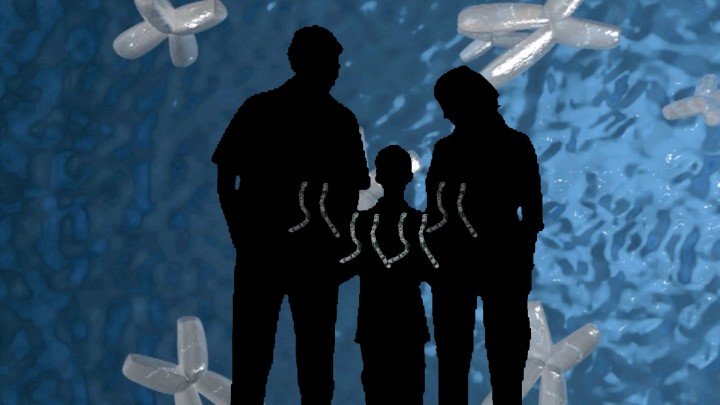
Beyond Genetics
There’s a revolution that is challenging a century of taken for granted assumptions about genetics and raising new questions. How does environment affect gene expression? Could we be passing on more than just our genes? This film provides an accessible introduction to a new science of epigenetics that is giving us a new way of understanding the mysteries of the interaction between nature and nurture.