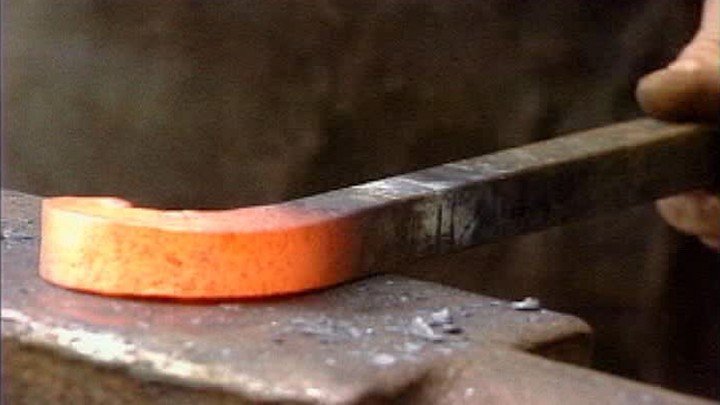
This video examines the way metals can be manipulated when making products. The three most common methods of forming that are used in manufacturing are heating, cold forming and milling. The operations that are previewed for each of these methods include the following: heating, cold forming, and milling. This program is highly recommended for students of metals and engineering at both school and tertiary levels. It can be used as a complete preview of the common methods of forming metals or as a focus on a particular method.
Producers: Classroom Video
-
Physical and Chemical Changes
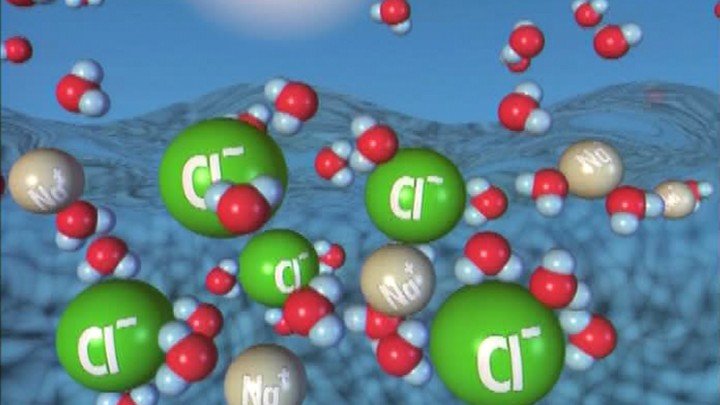
A fun, animated lesson in physical and chemical changes. The atoms are looking for partners and employment. Xenon and Krypton set up as Marriage Councilor and Employment Officer and conduct a series of marriages, H to O and Na to Cl etc. A friendship or physical change is formed between iron and carbon to make steel. They find jobs for various elements, compounds and mixtures.
-
Food Production and the Environment
PEACHES – Process from generation of the raw product through to processing and canning, Climate, weed & pest control, water management, & recycling factory waste. MACADAMIAS – farming, processing and value-adding. How landscapes are altered for farming, Integrated Pest Management, soil erosion controls, conflict with urban encroachment, and factory noise and waste controls.
-

Fragile Ecosystems
The Pacific Islands of Palau contain some of the world’s most pristine coral reef ecosystems. The interaction between coral reefs, rainforests, inter-tidal wetlands and mangroves is explored. The indigenous people of Palau are developing management strategies to preserve the reefs. These include pollution control, fish conservation, aquaculture and ecotourism.
-
An Introduction to France
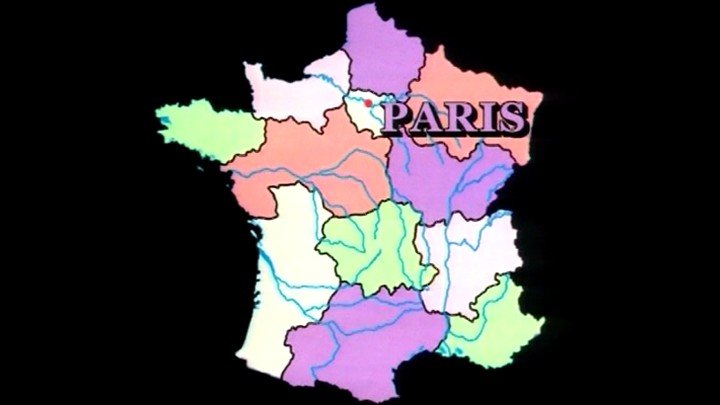
This video introduces Paris, the capital of France and looks at a region west of Paris where the “Dubois family” lives in the country. We stroll through a typical French market in the small town of Meulan. We visit a 12th century Church and look at Castles. Traveling through Normandy we find out about the style of this region by strolling through the streets of Honfleur, a small seaside town on the Channel Coast. Of course, food is of paramount importance to the French so we visit a Cake Shop and a 100 year old Cheese Shop in the town of St Germanin en Laye near Paris. The video also doubles up as a language program by introducing French words that are relevant to what we see.
-
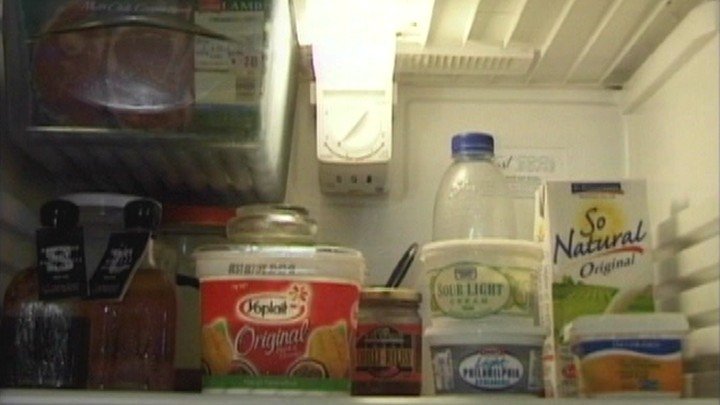
Refrigeration and Food
Refrigeration is a vital form of food preservation. It has shaped society’s eating habits by placing all manner of fresh food at our fingertips. This video examines refrigeration from different angles incorporating: food technology, design and technology.
-
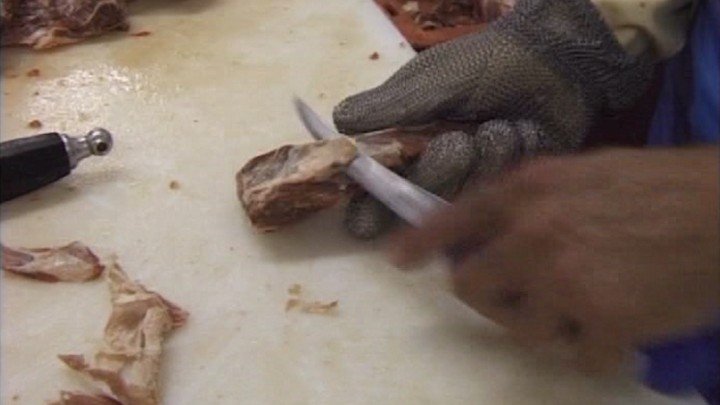
Food Safety: The Usual Suspects
With the help of Marks and Spencer, UK, this video uses three industrial examples to cover all aspects of food safety. From raw material to supermarket shelves, students see how producers ensure that our food is safe. Topics Include hygiene (personal & preparation areas), sources of food poisoning, cooking, storage, HACCP analysis. For each example students are encouraged to make links between industrial practice and their own food preparation.
-
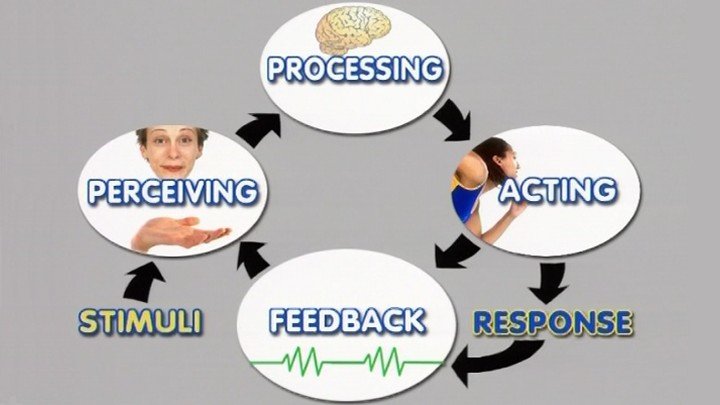
F.A.P. – Skill Acquisition Part 1
An in-depth look at how skills are acquired by athletes; Discussions on the Definition of skill; the learning cycle of skill acquisition and what each stage means for the learner; A breakdown of the various characteristics of the learner, such as age, motivation, fitness levels, confidence, environmental factors and ability.
-
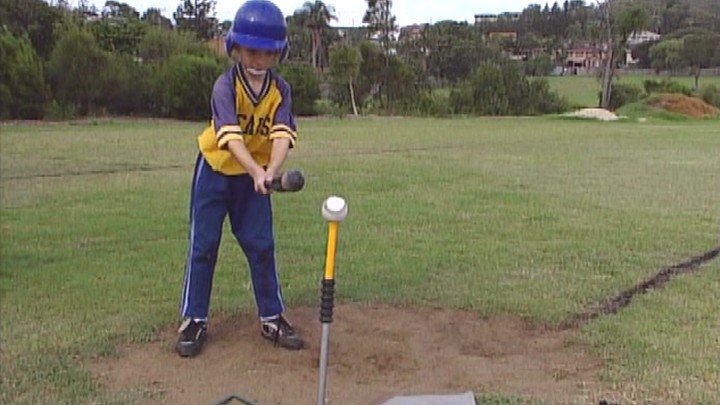
F.A.P. – Skill Acquisition Part 2
Following on from Part 1, this program covers more on: The Learning Environment; Knowledge of Feedback, Knowledge of performance and Knowledge of results; Stages of Skill Acquisition; and the various Learning Curves. Features coaches from team sports and individual sports offering their practical perspectives.
-
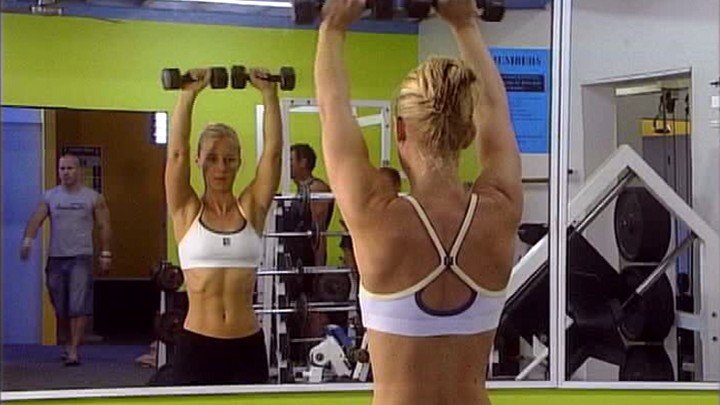
F.A.P. – Training
To be effective, fitness training should prepare the athlete for the demands that are placed on them in their chosen sport or activity. This means selecting the right types of training and following established training principles. This video examines aerobic and strength (resistance) training, and uses these types of training to help illustrate the following principles: specificity, progressive overload (incorporating FITT), threshold, warm-up/cool down, reversibility, variety, and assessment