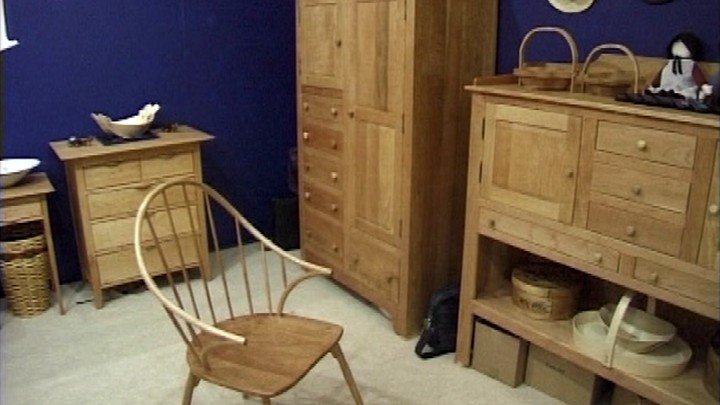
This video features designs by Peter van Herk – Gloucester, NSW, Australia, designs chairs to utilize the unique strength of spotted gum; Ted Ingram – North Vancouver, BC, Canada, rustic furniture – Cylindrical mortise and tenon; Peter Milne, Sable Islands, UK, shaker furniture; Andy Fricker, Burnaby, BC, Canada, designing furniture for clients; Russ Davis, Blackheath, NSW, Australia, industrial designer making custom furniture; Ben Gray, Sydney, NSW, Australia, artist, with a boomerang chair; Jacqueline Greetham, Tripod Home, UK, furniture from recycled teak; Griffiths Table Craft, NSW, Australia, colonial furniture with dry joints.
Producers: Classroom Video
-
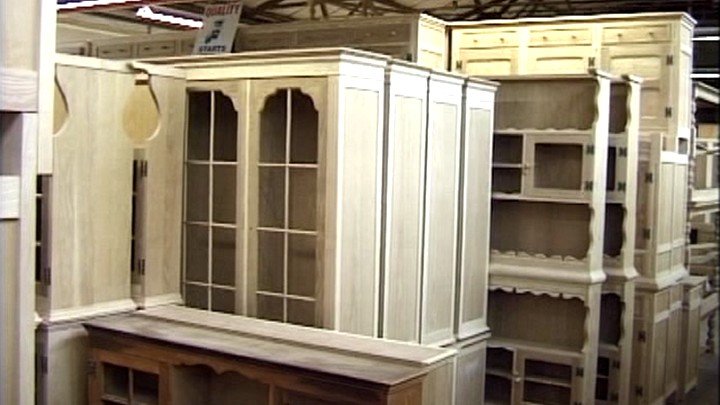
Furniture Design – Part 1
We visit Bevan Funnell reproduction antique furniture factory in New Haven, Essex, UK.
* use of modern technology
* designing
* cutting
* assembling
* distressing
* finishing -
Genres – an Introduction
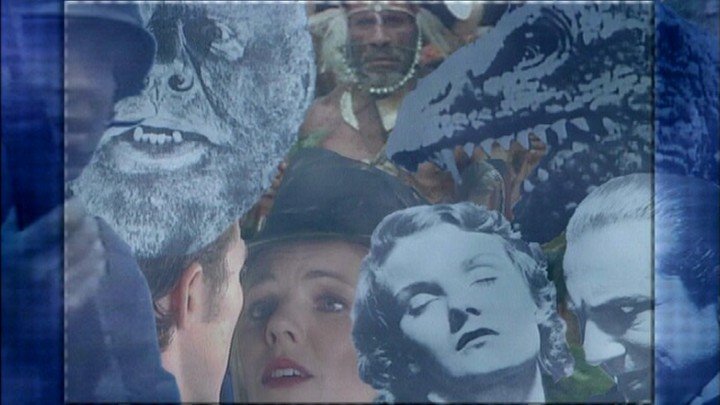
Genres is the starting point to analyzing texts, whether they be literature, film or music. It is through genres we gain a context for the meaning of texts. This video introduces the viewer to the basic genres and shows how genres provide contexts for characters in fiction. Through vignettes, it illustrates the various tools to identifying a genre. The video also discusses genre as a critical concept to analyzing Film and Music. A must for senior students who want to consolidate the basic concepts about genres.
-
Flour, Bread and Baking
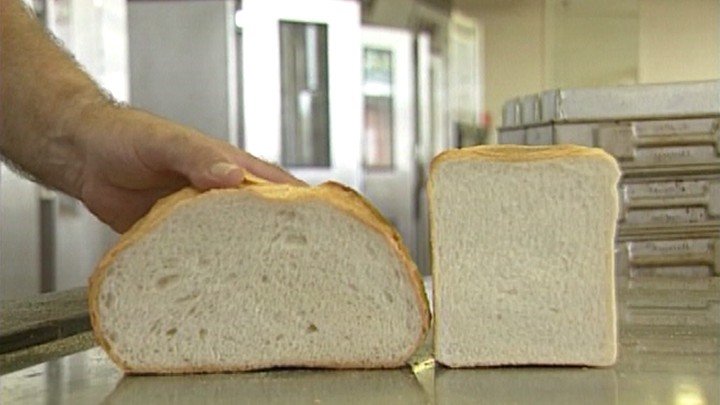
Tailored for Design and Technology and Food Technology courses, this video traces bread production from field to finished product. The video includes flour milling, bread production and multicultural baking. An ideal companion tape to Biscuit Making.
-

European Tourism
Using examples from Spain, Switzerland and the UK, this video examines; the history and growth of tourism in Europe, the impact of tourism on the physical and human environment, how authorities manage tourism, and future strategies for tourism
-
The Eye
The eye is one of our major sense organs. It gathers light information and transforms it into a signal that is used by the brain to formulate an appropriate response. How does this process work? What are the structures involved, and what do they do? These questions are answered using a unique, integrated approach that combines the anatomy and function of the eye. Includes detailed footage of the dissection of the bovine eye. Topics covered include: From light comes sight – the role of light in vision, the outer eye, the anatomy of the inner eye, forming an image, sending the image to the brain, accommodation, the blind spot, and seeing in the dark
-
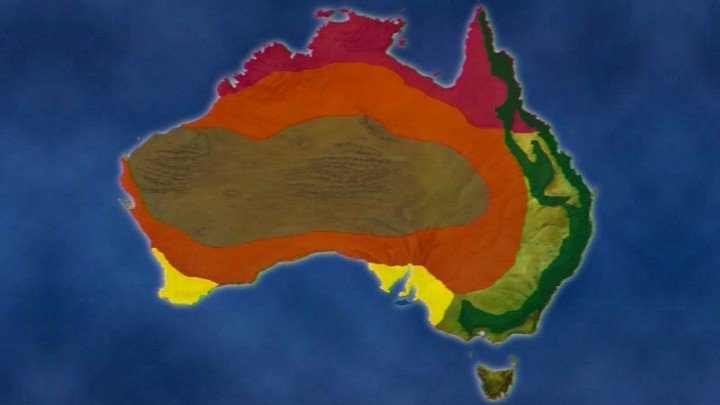
The Face of Australia
An overview of the unique and contrasting environments of Australia. Vivid images are presented of the tropical north, the red deserts, the green coastlands, the rangelands and the varied rivers, wetland and coastal landscapes. People and the human landscape are shown – the cities, farmlands and mining landscapes. An excellent starting point for Australian Geography and also useful as course review.
-
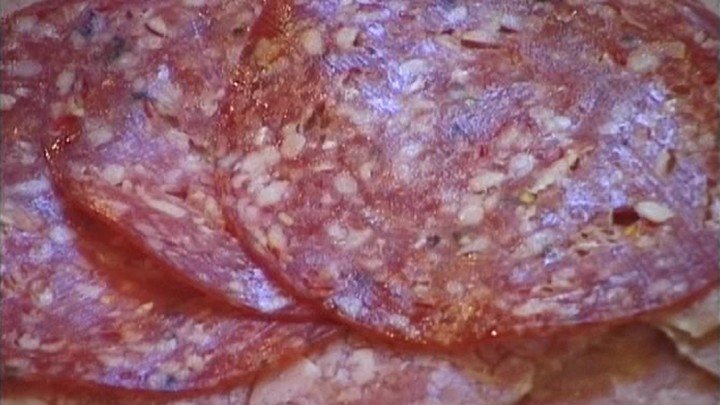
Food Additives
Additives are substances added to food but not normally consumed as foods by themselves. Topics include flavor; flavor enhancers – sweeteners, salt, food acids; appearance – color, humectants, bleaches; texture – emulsifiers, thickeners; preservatives; nutrition – vitamins, minerals, amino acids; manufacture – lubricants, anti caking; and anti-oxidants.
-
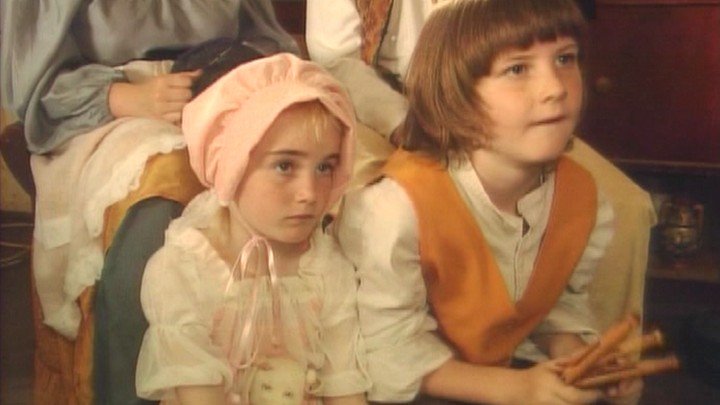
Fairy Tale Text and Motif
A video that recreates and dramatizes the story of Hansel and Gretel in the context of the oral storytelling tradition.
Followed by a ten minute presentation that uses examples from the story and references and illustrations from many other fairy tales to comment on characteristic patterns and motifs that recur in fairy tales such as recurring language patterns, repetitive plot structures, use of repetition and rhyme, recurring character types, happy endings. The Fairy tale text likened to a generic Journey with emphasis on the encounter with the Witch in the Forest. -
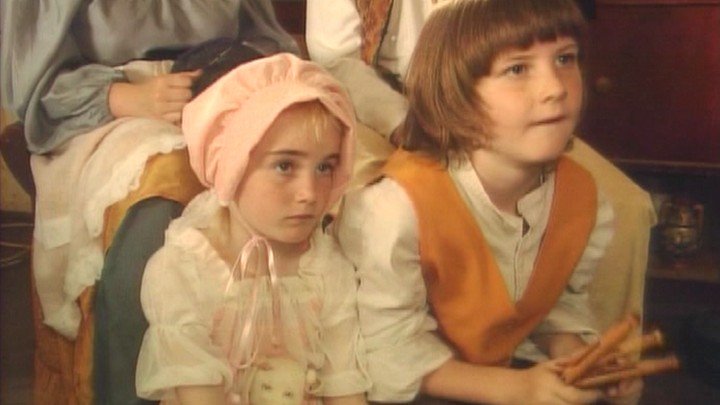
Fairy Tale Narrative and Structure
The Tale. Followed by a ten minute presentation that uses examples from the story to analyze the narrative structure in terms of: orientation, complication, sequence of events, resolution and theme.