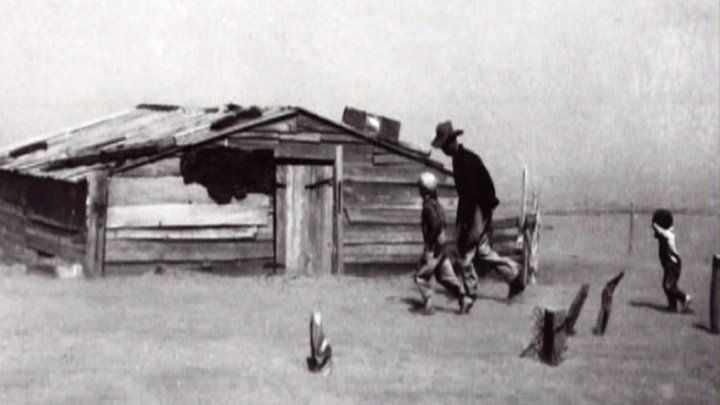
The Great Depression had its roots in the First World War. This video examines the efforts of various countries, including the USA, Canada, Australia, and several in Europe, to make the transition from war economies to more normal market conditions. It covers the post-war boom in manufacturing and wheat production in the USA and Canada; the prosperous “Roaring Twenties”; the effects of severe drought conditions in North America; and the economic, agricultural, and societal conditions that led to the “Crash of ’29”. The program uses archival film and images to clearly depict the struggle of ordinary people to survive. It concludes with the election of Franklin Delano Roosevelt in the U.S. and his goal of returning confidence to the American people.
Producers: Classroom Video
-
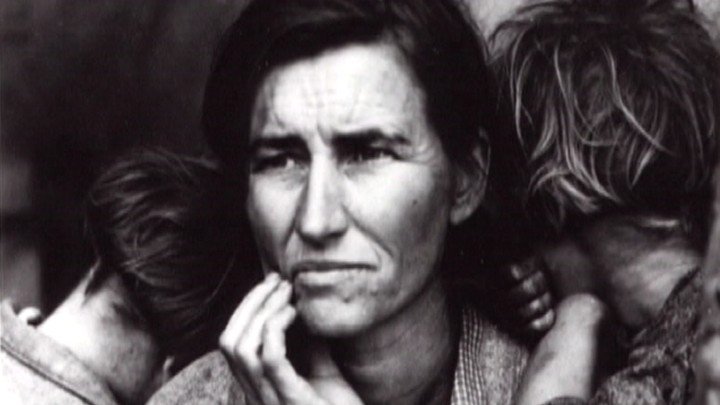
The Great Depression-Part 2
This second program concludes the Great Depression story. It begins with the “Gold Standard”, its influence on world trade, and explains the circular flow of a healthy economy. FDR’s “New Deal” in the USA is covered extensively, as is the establishment of work camps in Canada and the ensuing “On-to-Ottawa Trek”. As countries all over the world tried to protect their domestic markets, they placed high tariffs on imported goods; the video shows that this had the effect of worsening the depression by bringing stagnation to world trade. The effect of the Peace Treaty of Versailles on Germany is explained in the story of Germany’s build-up to the Second World War. The video concludes with Japan’s military expansion and the USA’s entry into the war.
-
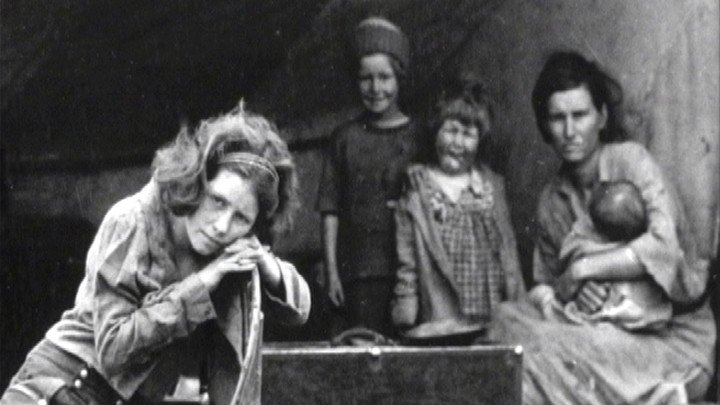
The Great Depression – Boom and Bust in America
This video presents the experience of the USA prior to and during the Great Depression. It begins with America’s recovery from WWI, converting its wartime assembly lines to the manufacture of consumer goods. The “Roaring Twenties” are explained, as well as the circumstances leading to the ‘Crash” at the New York Stock Exchange on October 29th, 1929. As the economy collapsed, so did businesses, banks, and farms, all of it made worse by the drought conditions of the “Dust Bowl”. Archival imagery clearly depicts the struggle of ordinary people to survive: farmers and their families migrating westward, soup lines in the cities, the Bonus March. FDR’s “New Deal” is covered extensively. The video ends with the rise of Hitler, the military expansion of Japan, and the USA’s entry into WWII.
-
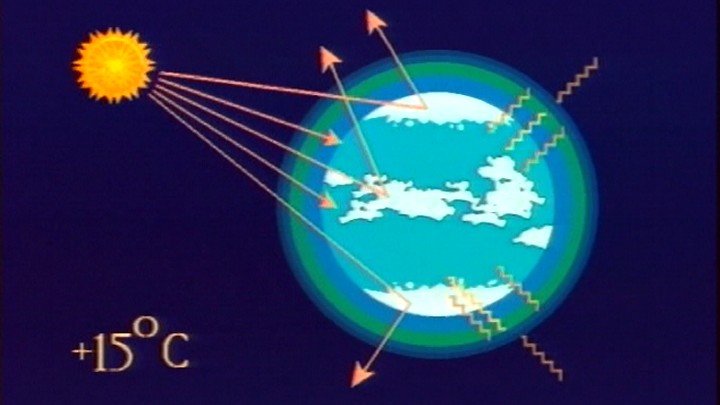
Greenhouse
An excellent example of the scientific process. Topics include observation of the past temperatures of the earth (using oxygen isotopes in ice cores) and the present quantity of greenhouse gases; construction of a computer model of the greenhouse effect with such variables as clouds, cities and plants; testing the model by using data from the past to predict present conditions.
-

Gene Technology – Part 1
The history of observations of Mendel to the discovery of DNA by Watson and Crick.
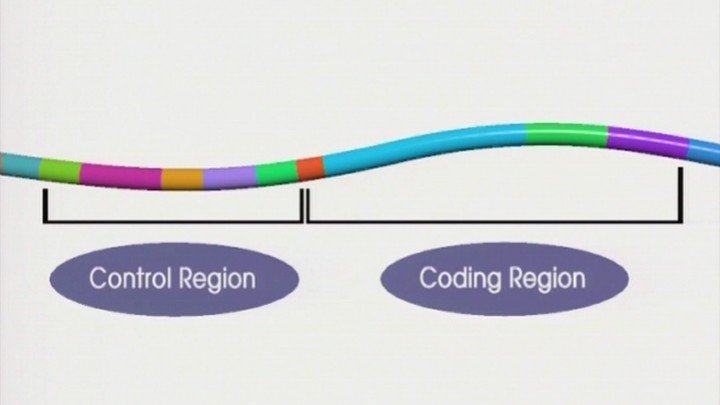
The function of DNA, chromosomes, genes and protein replication, and how research into genetics has led to the development of gene technology. How bacteria are engineered to mass-produce substances like insulin. Cloning and the importance of the human genome project. -
Gene Technology in Agriculture
Topics include specific technologies designed to improve potatoes & tomatoes; the issue of genetically modified food; environmental risk and labeling; how scientists have improved sheep wool through gene technology.
-
Gene Tech Tapes – Pt 4
Featuring leading international ethicists and scientists, this compilation of interviews canvases key ethical issues in the controversial world of new genetic technologies. Topics include understanding the human genome; science ethics and the law; genetic testing, information and discrimination; “Building” Life Forms.
-
Global Business
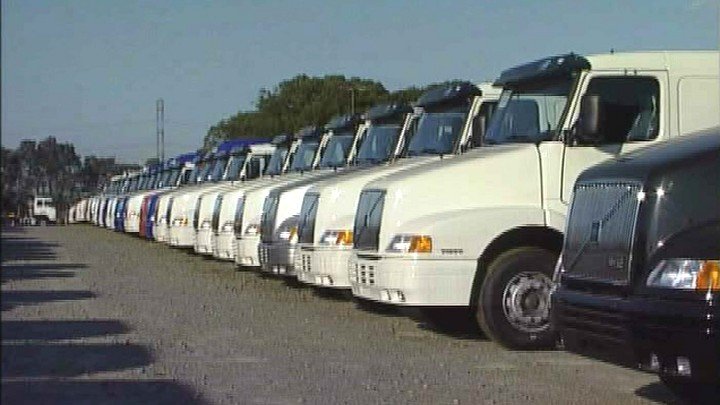
Over the past eight years world famous Swedish auto maker Volvo has gained a foothold in the South American market by establishing a major manufacturing plant in Brazil. The video explores: why Volvo sought to expand its global business by building its plant where it did, including geographical, operational, human resource and political considerations; how Volvo seeks to create a positive work environment for staff; environmental initiatives and objectives; community initiatives; the company’s contribution to Volvo’s global business; how the plant is managed. Appearing on camera is Volvo’s South American director Carlos Morassutti.
-

The Global Economy
This video investigates the operation of the global economy, in particular: the nature of the global economy and globalisation; trade and financial flows; free trade and protection; trading blocs and agreements – EU, NAFTA, APEC, ASEAN, CERTA; international organisations – WTO, IMF, World Bank.
-

F.A.P. – Nutrition and Sport
The basis of good nutrition is balance: our intake needs to be balanced with our needs. Physical exercise increases the need for all the essential nutrients, particularly energy-giving fuels and water. In developing a nutritional plan, we need to be aware of the composition of different foods, and the demands placed on our bodies by different types of exercise. If we choose to use nutritional supplements, it’s important to understand the potential pros and cons.