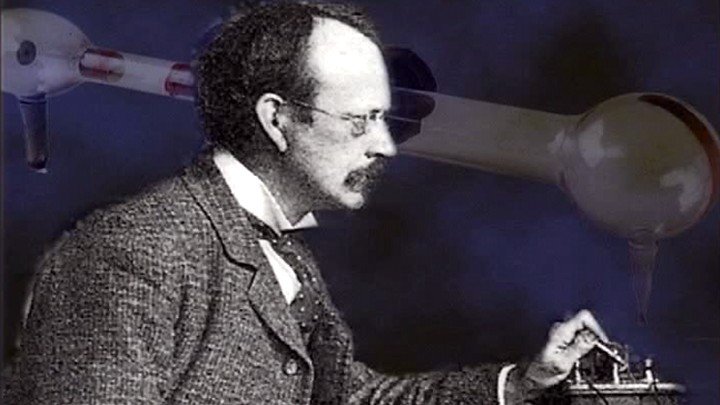
Some of the key experiments performed between 1870 and 1940 which established the structure of the atom. Cathode ray tubes, canal rays, mass spectrometer, Thompson’s plum pudding model, Rutherford’s gold foil experiment, the Bohr model and the orbitals and quantum mechanical model.
Producers: Classroom Video
-
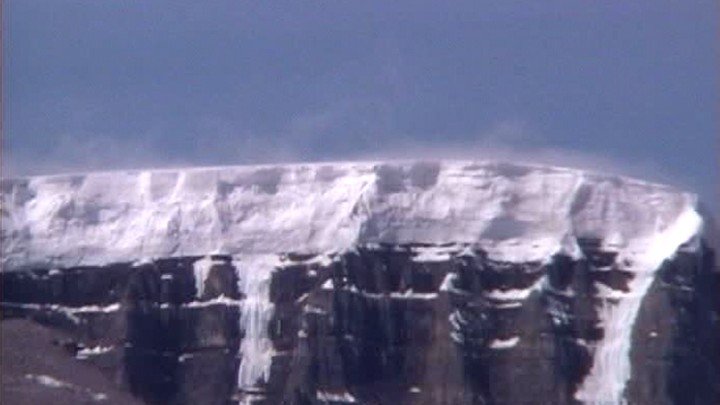
Glaciers and Glaciation
North American Version. Development and characteristics of glaciers in different stages, including their movement, their effect on mountain features and landforms, and their advancement and retreat. The water, or hydrologic cycle is reviewed in terms of its importance to the buildup of ice and snow during periods of global cooling. Some concepts and landforms are illustrated through demonstrations and computer imagery.
-
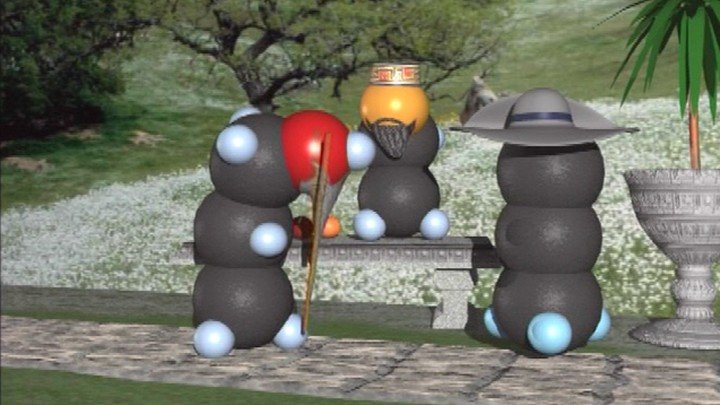
History of the Atom
North American Version. The crazy atoms put on a pantomime, telling the history of Atomic Theory from their point of view! A fully animated program with lots of information about such people as: Leucippus, Empedocles, Aristotle, Epicurus, Gassendi, Boyle, Newton, Priestly, Lavoisier, and Dalton.
-
Global Cooperation
Topics include “Rebuilding Rabaul” (PNG) – after volcanic eruption; “Controlling river weed” (PNG) – on the Sepik River; “Combating dengue fever” (Vietnam) – mosquitoes are being eradicated; “Iodine deficiency project” (Vietnam) – Iodine supplements are being added to packets of salt.
-
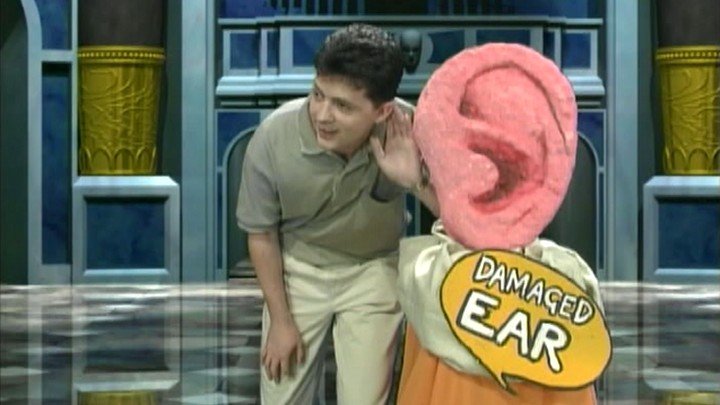
Hearing Health
A fun and informative video presenting complex ideas on the nature of sound and hearing, reasons for hearing loss, and ways to prevent damaging our ears. This drama based production uses short captivating segments with zany characters to illustrate and inform important facts about: the nature of sound; our hearing and how it works; how to protect it, and the consequences of not protecting our ears. It’s contents relate to many subject areas such as health and personal development, science, and information on the body and one of its very important senses – hearing. Produced with full support and co-operation of Australian Hearing, the national body looking after our hearing needs.
-
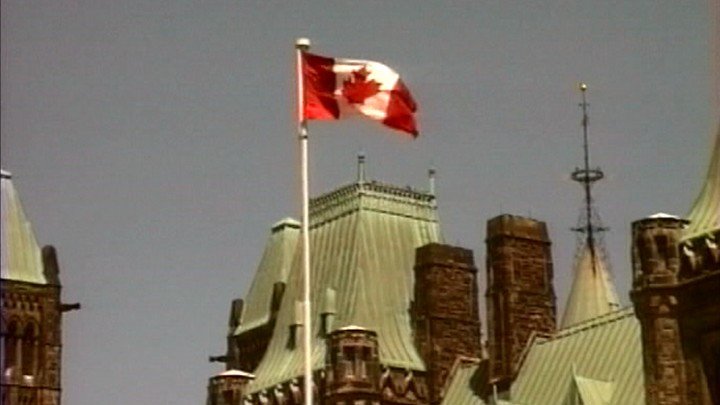
Government in Canada SR
This best-selling video provides an excellent overview on the principles, history and structure of Canadian government. Topics include ideologies, the history of government, the Constitution, the structure of Parliament, making a law, elections, Parliamentary reform.
-
Gouvernement Du Canada
Ce video-cassette l’histoire et le systême gouvernemental du Canada. Les etudiants en jouant divers roles recherchent pourquoi nous avons besoin des lois; les groupes prennent des décisions; et les raisons pour la Confédération. Les documentaires et les entrevues touchent l’histoire, les procédures parlementaires et les trois niveaux du gouvernement.
-
Government in Canada JR
This popular video examines the history and process of Canadian government. This video brings the topic of government to life, using student role-plays to explore why we need rules, how groups make decisions and the reasons for Confederation. The video also provides an overview on the history of government in Canada, parliamentary procedure and the three levels of government.
-
Graphic Products
A program to inspire and inform students about graphic products and design. The program uses 2 “best practice” case studies to illustrate different techniques and show how graphics can influence our perception of products and people. Case Study 1 – Album Cover Design. Made with the help of two of the UK’s best known CD cover designers, this case study follows the thought and work that goes into producing a new CD cover. It includes sources of inspiration and advanced printing techniques and shows how a CD cover not only influences sales, but can also be used to change a band’s image. Case Study 2 – Wetsuit Design. Explores how designers use color and shape to change perception of the shape of our bodies. Looks at the use of logos, new materials follows the production process.
-
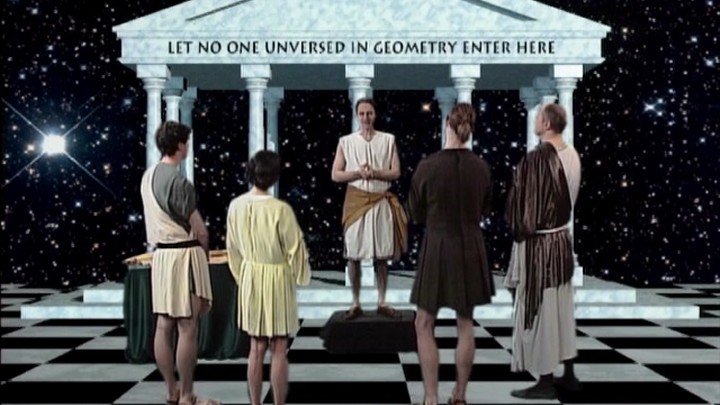
Gravity – History of ideas
Follow the path of the ancient Greeks, Renaissance Europeans and British in their search for an understanding of the properties of the universe. From the simple versions of Geocentric models to the more complex versions offered by Ptolemy, the early version of Heliocentric model to the more modern version. This video uses stage actors and animation to illustrate the conception and progression of the models of the following philosophers: Plato, Eudoxus, Aristotle, Aristarchus, Ptolemy, Copernicus, Tycho Brahe, Kepler, Galileo, and Newton.