Subjects: Life Science

  • Solids, Liquids & Gases

    Solids, Liquids & Gases

    The Big Question: “Why isn’t magic real?”

    Synopsis: Magic IS real – sort of. Nature creates its very own magic, turning gases to liquids, liquids to solids, and solids into gas. Harrison’s attic is full of magic today with instant ice cream, a flying guinea pig and a magician who makes water appear from nowhere!

    My Great Challenge: Challengers have to race to stay dry while standing on a liquid. Or is it a solid?

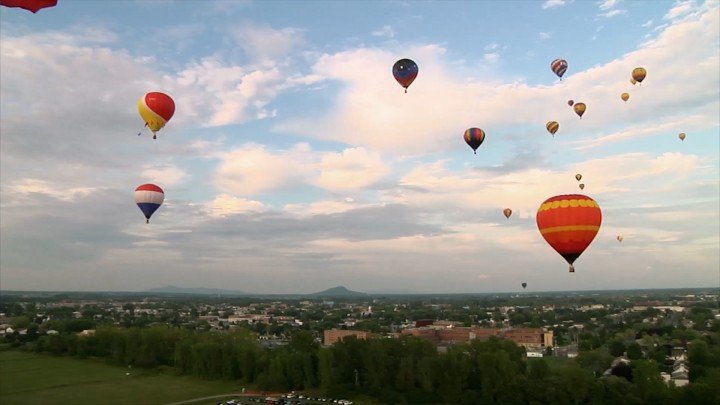
    In the Field: Harrison is airborne when he finds out how hot air balloons can fly.
  • Flight

    Flight

    The Big Question: “Why can’t we fly?”

    Synopsis: With the aid of a wind-tunnel and a four-time national radio-controlled airplane champ, Harrison takes to the school yard to discover why some things fly better than others and viewers find out what it really takes to leave the ground.

    My Great Challenge: Challengers take part in a paper airplane experiment to see who can make the best wing.

    In the Field: Harrison goes out into the field with a bird trainer to get a close up look at two of the best flyers in the animal world – an owl and a falcon.

  • Weather

    Weather

    The Big Question: “How come weather changes?”

    Synopsis: Harrison is visited by a real-life television weatherman who shows us how he predicts the weather. Viewers will learn how to gauge wind strength and direction from famous storm chaser George Kourounis as Harrison talks to him live from a location in America’s Tornado Alley.

    My Great Challenge: Harrison and the weatherman create an in-studio challenge where kids try their hand at presenting a weather forecast in front of a green screen.

    In the Field: Terrible storms must be in the area today…there is no In the Field segment in this episode.

  • Sickness

    Sickness

    The Big Question: “How does your nose get runny?”

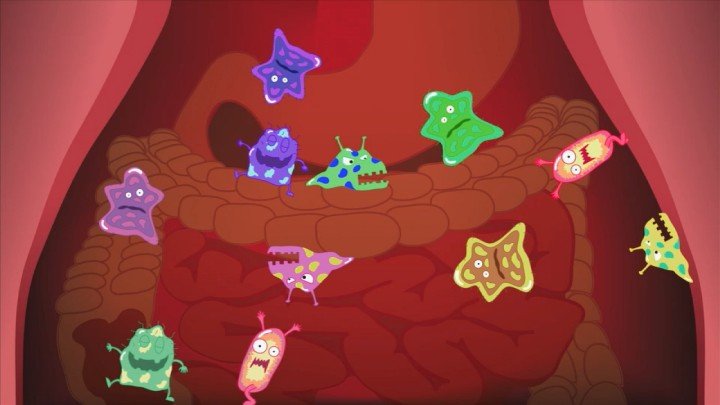
    Synopsis: Harrison is visited by a microbiologist who helps him take a close look at an invisible world and figure out how to stop viruses from hurting us. In the name of science, Harrison performs a top secret experiment at an elementary school to find out how quickly germs can spread. Viewers at home learn how to grow their own fungus.

    My Great Challenge: Harrison tests school kids by seeing who among them can get their hands the cleanest.

    In the Field: Roving reporter Sidney puts on a full containment suit and goes to a high-security lab where the most dangerous viruses in the world are studied. There, she discovers that not all germs are bad, and – surprise – we actually need some of them to survive!

  • Animals Big and Small

    Animals Big and Small

    The Big Question: “Do dinosaurs eat people?”

    Synopsis: Harrison sets out to explore why it is that some animals evolve to be big, while others evolve to be small. He is visited by a miniature horse and its foal who help him find out why animals are bred to be different sizes. Viewers are encouraged to test their own ability to make themselves seem as big as possible!

    My Great Challenge: Challengers take part in a competitive (and tasty!) experiment to find out whether it’s an advantage for a predator to eat big or small prey (or to be big or small prey).

    In the Field: Harrison takes a trip to the aquarium to visit some of the biggest animals of all – whales!

  • Electricity

    Electricity

    The Big Question: “Why does my hair stick to my chair?”

    Synopsis: A physicist visits Harrison to explain how electricity is generated, and teaches us how it can be conserved. Viewers can take part in a fun experiment to see electricity at work in their own bodies.

    My Great Challenge: Kids race to complete a circuit! But before they can do anything they must find a way to transfer power over a short distance, from a battery to a light bulb, by determining what materials conduct electricity.

    In the Field: Harrison goes to the Sea Aquarium to visit a marine expert and some willing aquatic life to explore why electric eels don’t electrocute themselves and how sharks can detect our presence because of electricity!

  • Language & Communication

    Language & Communication

    The Big Question: “Can a horse and a pig communicate?”

    Synopsis: Harrison is visited by a very special guest – a parrot – and he tries to figure out if he can understand what it’s saying! Meanwhile, viewers get to test out their ability to communicate with dogs. Harrison also discovers why humans speak so many different languages.

    My Great Challenge: Kids use their hands to pantomime ideas in an effort to communicate like our distant ancestors.

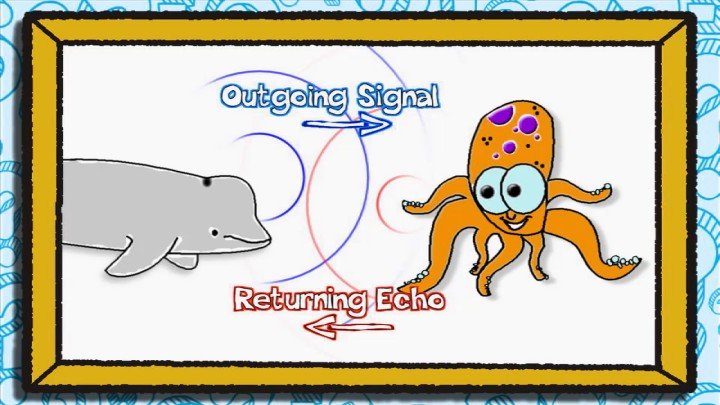
    In the Field: Harrison sets off to the Sea Aquarium to see if dolphins can understand sign language.

  • Tools

    Tools

    The Big Question: “Why will things change when you get older?”

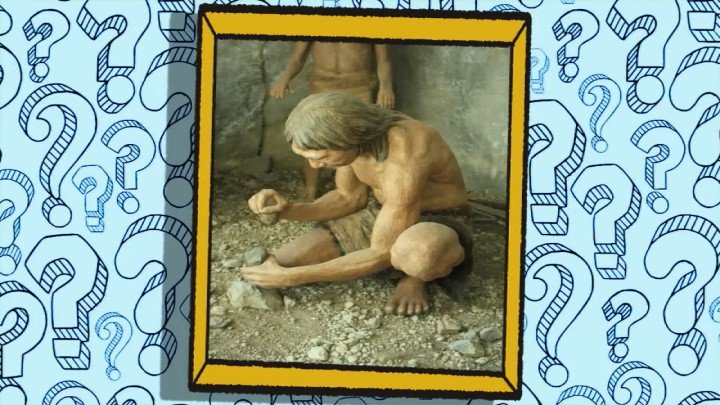
    Synopsis: An anthropologist and real-life expert in prehistoric tool-making teaches Harrison how to make Neanderthal knife blades and to paint like a “cave kid”. Harrison invites kids at home to join him in making simple machines – a wedge, an inclined plane, and a lever – using nothing more than a sheet of paper.

    My Great Challenge: Contestants must figure out how to adjust a simple catapult in order to see who can throw a toy monkey the furthest.

    In the Field: Harrison takes on an assembly line robot to see which of them can put a car together the fastest.

  • Sound

    Sound

    The Big Question: “Why do people hate the sound of fingernails on a chalkboard?”

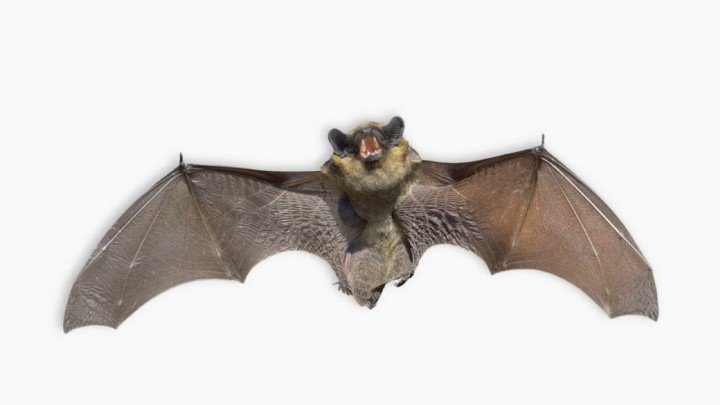
    Synopsis: Harrison is joined by rapper and musician Kid Koala, a special guest canine, and opera singer Lindsay Michael. Individually, these experts help us find out about the delicate mechanisms that help us hear. The special guest canine helps Harrison figure out whether dog whistles really are silent, and Lindsay Michael tests out whether a person can actually shatter a crystal glass with their voice. Viewers at home find out if they have bat-like hearing!

    My Great Challenge: Kids must compete to see who can give our opera singer goose bumps by figuring out which material to scratch together to make the shriekiest sounds!

    In the Field: Harrison travels to the sea aquarium and discovers that certain fish may use sound to communicate – by farting at each other!

  • Insects

    Insects

    The Big Question: “Are mosquitoes good for anything, or are they just annoying?”

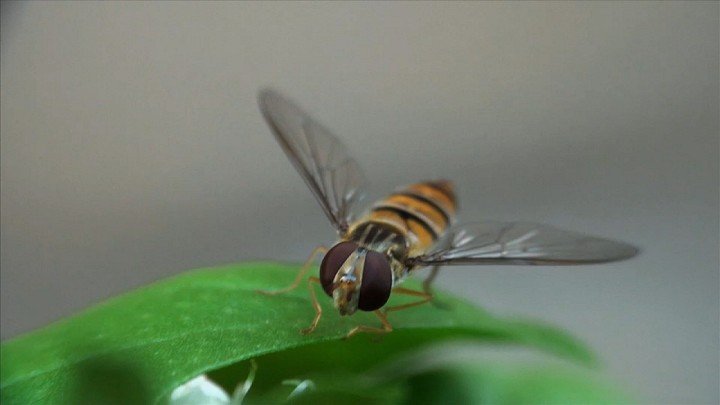
    Synopsis: Harrison visits an entomologist who explains to him how insects that eat insects can replace the poison farmers use to keep bad bugs away from their crops. Harrison is joined by a biologist who puts on a fascinating show and tell with all kinds of live bugs. He then puts school kids to the test by asking them to eat everyday products that most of us don’t realize contain…you guessed it…bugs! And viewers find out that a lot of household products are made using insects (everything from carpets to lipstick!).

    My Great Challenge: Harrison sets up a faceoff between Team Bee and Team Butterfly to see who the best pollinator is!

    In the Field: Our roving correspondent Sidney visits a food scientist and a chef who cook her up a tasty bug stir-fry!