Subjects: Life Science

  • The Moon

    The Moon

    The Big Question: “Why does the moon follow us?”

    Synopsis: Harrison investigates intriguing facts about the moon, like why people think wolves howl at the moon (they don’t), whether the moon really turns people into werewolves, who the first men on the moon were and why the moon appears to follow us. Viewers at home test out their jumping skills as Harrison demonstrates where we’d be without gravity!

    My Great Challenge: Using nothing more than a light, their wits, and funny headgear, challengers must figure out why the moon is sometimes full and why at times, it disappears!

    In the Field: Harrison goes to…the Moon! Okay, maybe not the actual moon, but a simulated moonscape created by the Space Agency, where astronauts practice their extraterrestrial techniques and test out new equipment. There, a lunar geologist provides the answers to more kid questions, explaining how the Moon was formed and why there are craters.
  • Sleep

    Sleep

    The Big Question: “Why do bats sleep upside down?”

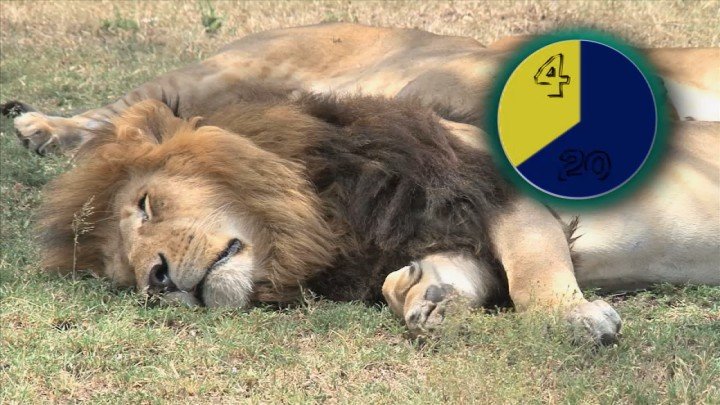
    Synopsis: Harrison sets off on an investigation of such sleep phenomena as yawning, snoring, and sleepwalking. Along the way he shows kids how to make other people yawn and how to make it seem like they are fast asleep (with fake snoring!). Viewers get to find out what causes nightmares and how to make bad dreams go away.

    My Great Challenge: The challengers must have slept in today….there is no great challenge in this episode.

    In the Field: Harrison explores a sleep lab where he is hooked up to an EEG machine that monitors his brainwaves.

  • Volcanoes

    Volcanoes

    The Big Question: “What would happen if someone cracked the Earth?”

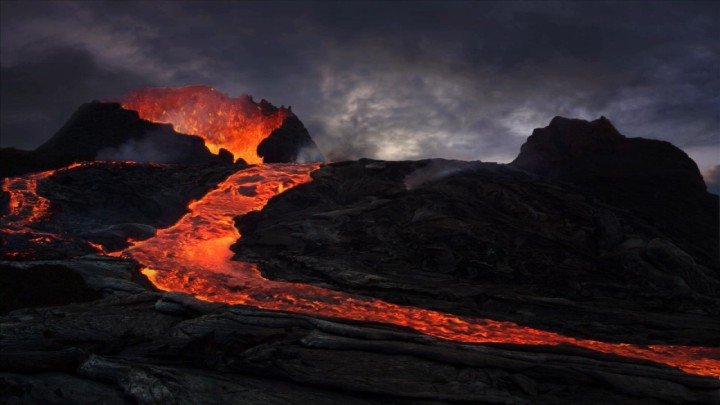
    Synopsis: Harrison gets permission from his school to build a very large volcano and with the help of a real-life volcanologist he creates a grand finale in the form of one of the largest mentos and cola eruptions ever concocted on television! Viewers learn what to do if the earth starts shaking.

    My Great Challenge: Oozing lava must have swallowed up the challengers today. There is no great challenge in this episode.

    In the Field: Roving reporter Sidney visits an exhibition on volcanoes and earthquakes, and gets to make her own mini-earthquake. She meets an adventurer who goes down inside active volcanoes and gets a live demonstration of how his flame-proof suit works when one of his friends sprays him with liquid fire!

  • Colour

    Colour

    The Big Question: “Is snow really white?”

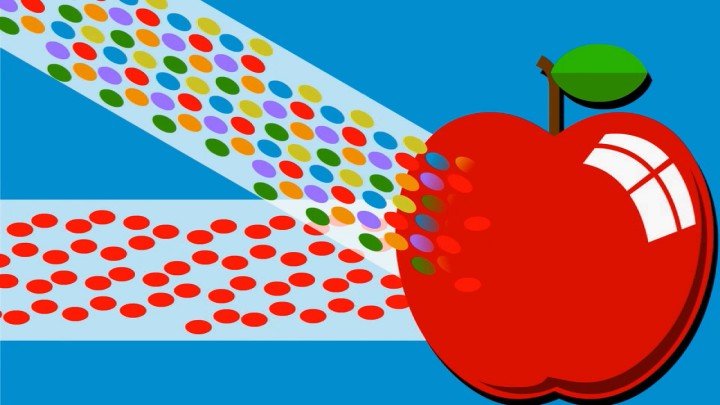
    Synopsis: With the help of an animal expert, Harrison finds out how chameleons change color and viewers find out if they’re lion sighted in a color blindness test. A physicist explains why there are some colors that we can’t see, and viewers get a bug’s eye view of the world in order to discover how bugs see things that are invisible to humans! Harrison carries out an experiment to see if kids will turn their noses up at a batch of blue scrambled eggs!

    My Great Challenge: In this week’s challenge, viewers have to make colors – with other colors!

    In the Field: Harrison takes to the skies in an Air Force search and rescue helicopter for a high-flying experiment to find out why some colours attract our eye more than others.

  • The Human Body – Augmented Reality (AR) Book with 8 licenses

    The Human Body – Augmented Reality (AR) Book with 8 licenses

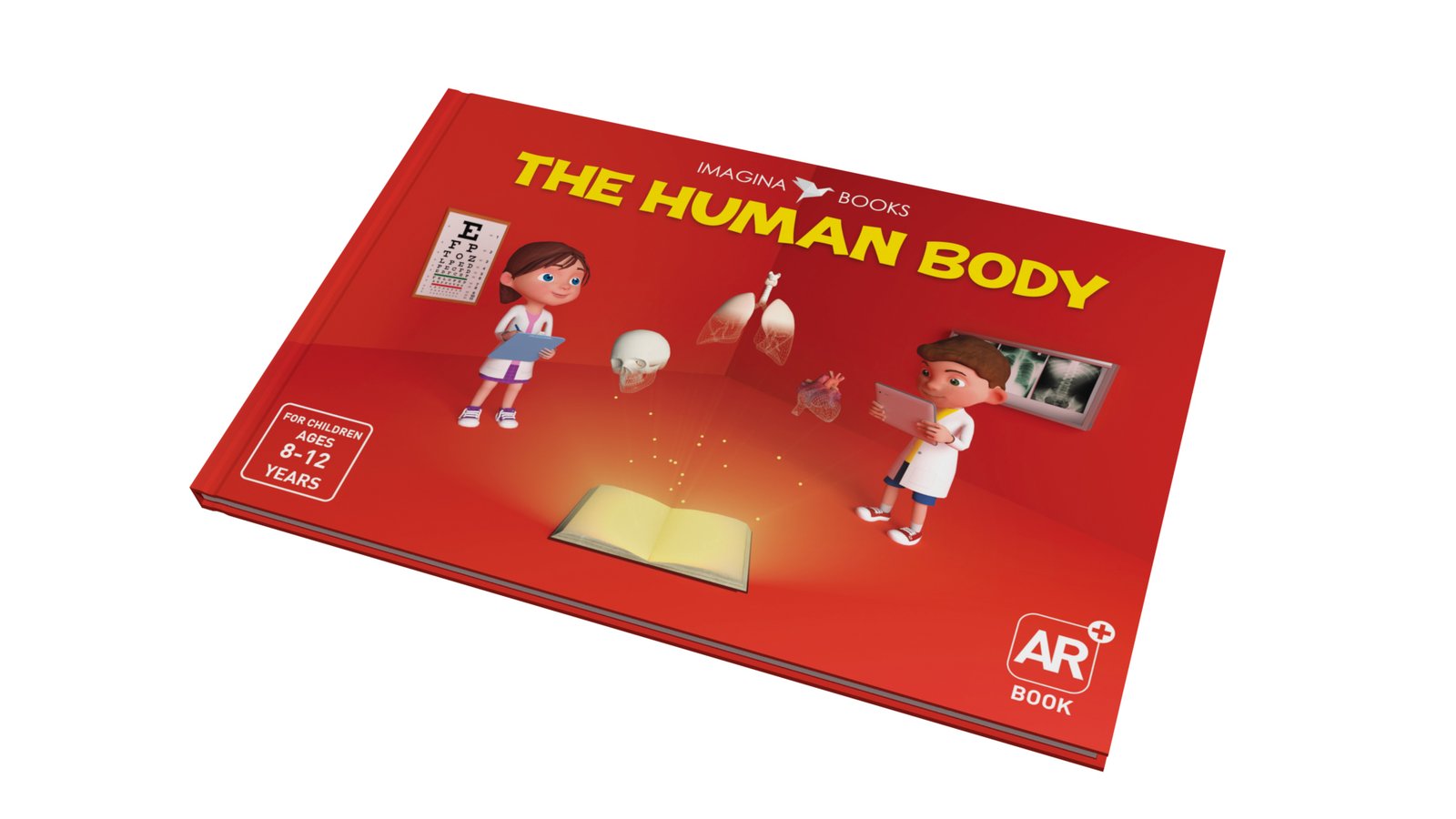
    Book 1, is a complete gamified journey of the human body. Students can explore all their body organs and functions with an interactive augmented reality experience. Includes skeletal, nervous, digestive, circulatory, respiratory and urinary systems. The book is “hosted” by two friendly animated characters, Sarah and Adam whom interact with the reader to offer engaging insight.

    Augmented Reality app included with each book

    8 License activation

    Grades 2-9

  • The Human Body – Augmented Reality (AR) Book with 1 year unlimited licenses

    The Human Body – Augmented Reality (AR) Book with 1 year unlimited licenses

    Book 1, is a complete gamified journey of the human body. Students can explore all their body organs and functions with an interactive augmented reality experience. Includes skeletal, nervous, digestive, circulatory, respiratory and urinary systems. The book is “hosted” by two friendly animated characters, Sarah and Adam whom interact with the reader to offer engaging insight.

    Augmented Reality app included with each book

    1 year of unlimited licenses and activations

    Grades 2-9

  • Gruesome Guts

    Gruesome Guts

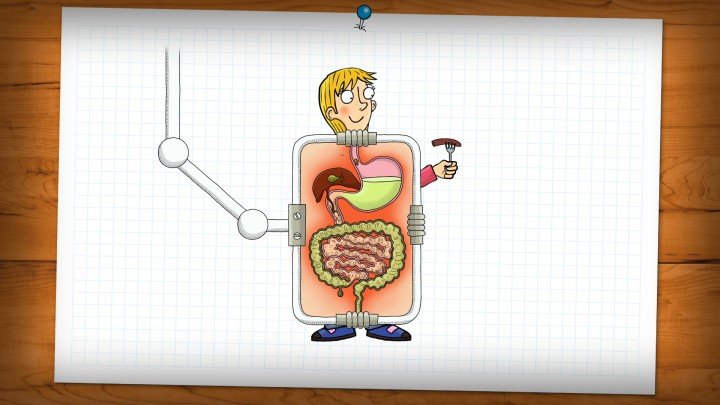
    Poo, pizza, and disgusting germs! Why do we poo and how does digestion work? Who was Louis Pasteur and how did he help?

    Mark arrives at the studio with terrible stomach pains and asks The Shrinking Scientists to find out what’s wrong with him. In their toughest mission yet, Dr. Sensible, Professor Small, and Junior get ready to fly up Mark’s nose to investigate.

  • Microscopic Monsters

    Microscopic Monsters

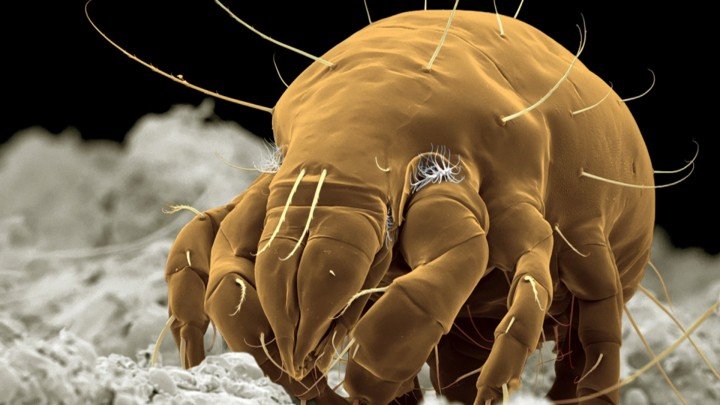
    What nasty invaders live in our homes and on our bodies? Fleas, parasites, worms, and every tiny, disgusting thing in between.

    Mark can’t stop itching, but no one knows what’s causing it. The Shrinking Scientists get on the case and investigate. Microscope expert Robert Hooke joins them in the studio.

  • Bulging Brains

    Bulging Brains

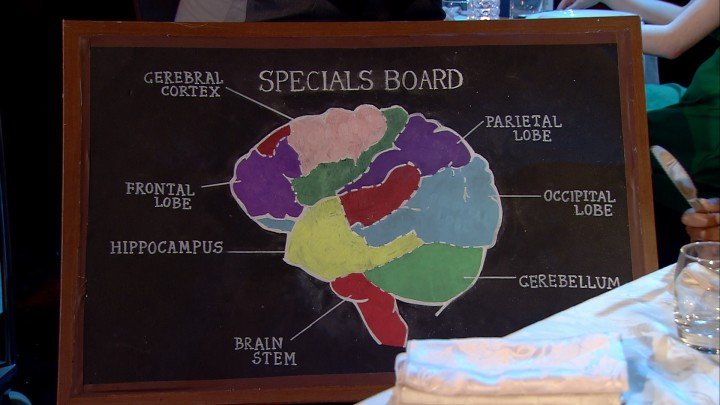
    What is the brain and how does it work?

    Mark arrives in the studio with a new part of pants – ‘Smarty Pants.’ He has bought them off the Internet and claims that they will make him smarter. Lucy is exasperated and has to try and convince him it’s a load of old rubbish. Professor McTaggart claims that chewing gum is good for your brain.

  • Sounds Dreadful

    Sounds Dreadful

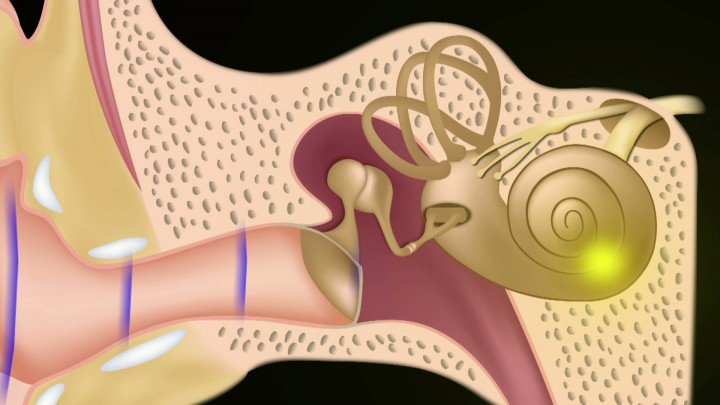
    Bang, crash, wallop! What is a sound? How do we hear? How do our ears work?

    Inventor of the telephone Alexander Graham Bell joins the team in the studio to talks telephones and… er… metal detectors?!