Subjects: Life Science

  • Poop

    Poop

    The Big Question: “How do flowers poop?”

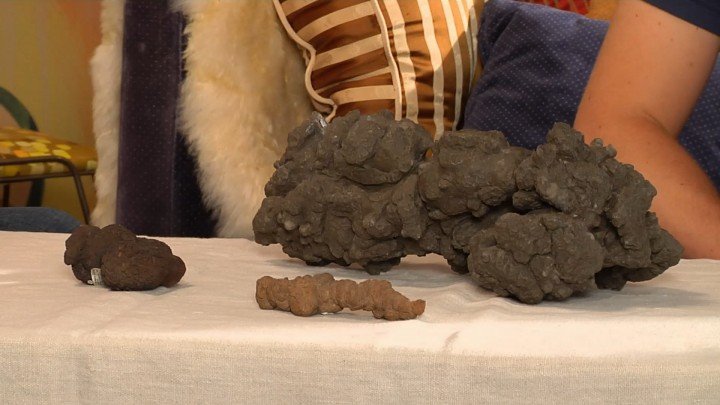
    Synopsis: Hold on to your nose! Harrison decides to do a show about, well, you know. He’s visited by a paleontologist who brings million-year-old fossils of dinosaur poop.

    My Great Challenge: Challengers have to pick apart fake animal poop to find bones, berries, and grass, and then guess whether the animal who made the poop was an herbivore, carnivore, or omnivore.

    In the Field: Harrison and an animal biologist collect real animal poop in the woods, and then examine it in the lab. P-U!
  • Cars

    Cars

    The Big Question: “Is a Ferrari faster than a cheetah?”

    Synopsis: Harrison finds out how a car works when a teenage race car driver brings her mini Formula 1 to Harrison’s house.

    My Great Challenge: Challengers race remote-controlled cars along a track filled with obstacles to understand how road conditions can make driving hazardous.

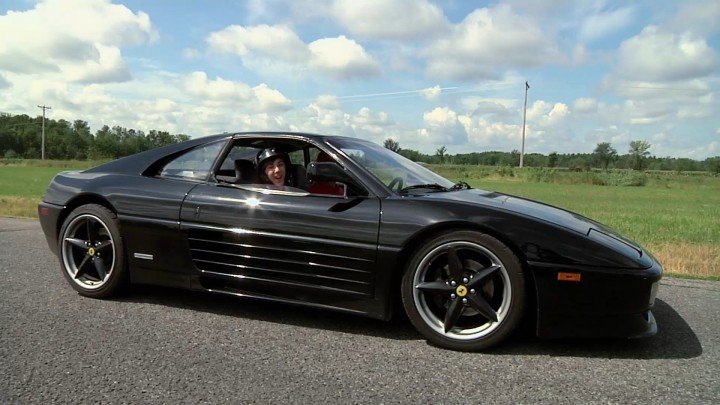
    In the Field: Harrison goes to a race track and gets to drive a real Ferrari! Then, with an expert driving instructor at the wheel, they burn rubber to see who’s faster – the Ferrari or a cheetah?

  • Pets

    Pets

    The Big Question: “Why don’t people have wild animals as pets?”

    Synopsis: Harrison starts a pet-sitting service, but he’s soon overwhelmed by how much work it is – especially when one of the pets turns out to be surprisingly wild. Fortunately, a zoo-owner friend helps him out.

    My Great Challenge: Harrison’s studio is full of real animals – a bird, dog, hamster, and a cat. Challengers have to match various pet foods, toys, and other pet-care items to the correct pet before time’s up.

    In the Field: Harrison visits a professional dog-trainer to get help with a particularly unruly puppy.

  • Investigations

    Investigations

    The Big Question: “What clues do detectives need to figure out a crime?”

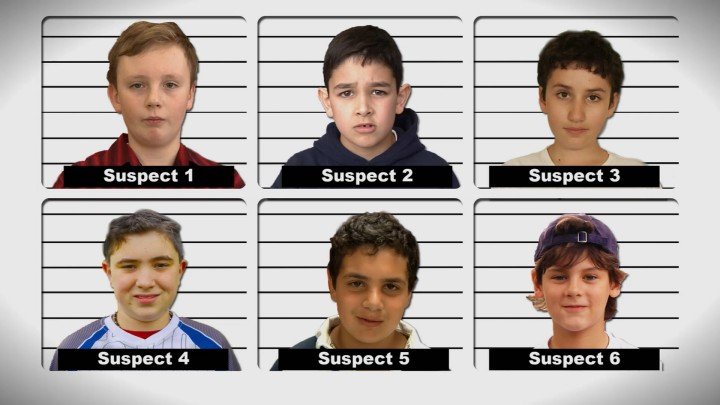
    Synopsis: Someone took a bite out of Harrison’s cheese sandwich! Who was this nefarious nabber? To find out, Harrison brings in a detective and a forensics expert to collect fingerprints, DNA evidence, and other clues.

    My Great Challenge: How reliable is eyewitness testimony? To find out, challengers watch a video of a “crime,” and then Harrison and the detective quiz them about how much they remember.

    In the Field: Harrison visits the world’s cutest crime fighters: police dogs! To test how they can sniff out a criminal, Harrison hides while the dogs follow their noses to find him.

  • Rocks

    Rocks

    The Big Question: “When you squish a piece of coal, how does it turn into a diamond?”

    Synopsis: Harrison wants to find out if he can really make gems from charcoal or gold from lead. A geologist guest shows him that other kinds of rocks are cool too, especially meteorites. Rocks rock!

    My Great Challenge: Challengers pan for gold in a stream, just like old-time miners. But watch out for fool’s gold!

    In the Field: Harrison rappels down into a cave to see how stalactites and stalagmites are formed.

  • Tails

    Tails

    The Big Question: “Why don’t humans have tails?”

    Synopsis: Harrison’s computer says that people do have tails. How is that possible?! To find out more about tails, Harrison invites animal experts who bring over a live kangaroo, skunk, marten, and snapping turtle. Turns out, different animals use their tails for different purposes.

    My Great Challenge: Does a rabbit’s short tail make it harder to catch? To find out, challengers put on both long and short tails, and then have to run for their lives as “carnivores” try to catch them by the tail.

    In the Field: Harrison visits a paleontologist at the natural history museum. By comparing vertebrate skeletons, Harrison discovers that tails – including our tailbones – are evolutionary adaptations.

  • Babies & Families

    Babies & Families

    The Big Question: “Why do we have families?”

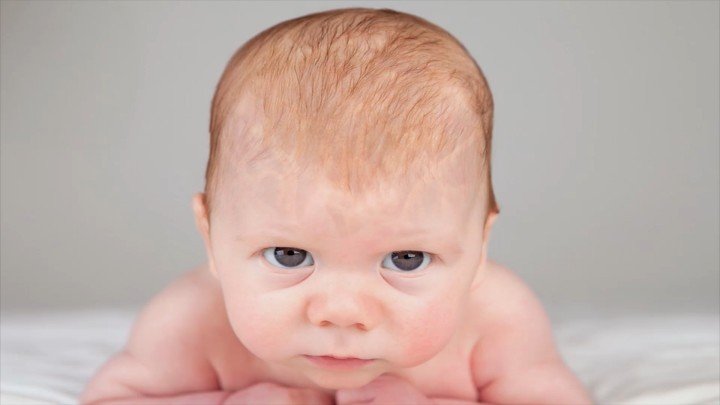
    Synopsis: All babies need families for their survival. Harrison investigates why babies drink so much milk and poop so much in their diapers, and why they are so cute. He also finds out why parents are so bossy.

    My Great Challenge: Challengers moo-ve quickly to see how much milk they can ‘milk’ in one minute!

    In the Field: Harrison visits the Calgary zoo to get the straight poop on why animal babies are different than human babies.

  • Plants

    Plants

    The Big Question: “Do plants think?”

    Synopsis: Harrison discovers that plants are living things, and humans depend on them for survival not just for food and clothing, but also for the very air we breathe! Harrison investigates why flowers smell so nice and fruit tastes so good.

    My Great Challenge: Team Pine Tree and Team Maple race to see who sucks the most – water that is.

    In the Field: Harrison visits an organic farm to get the juice on grafting – naturally creating the strongest and best-tasting fruits and vegetables.

  • Habitat

    Habitat

    The Big Question: “Why is the world so important?”

    Synopsis: Without a habitat, neither plants, humans nor animals could survive. Why do worms come out when it’s wet? Why don’t dolphins live on land? How can fish breathe under water? Harrison finds out about the world we live in, and all of the little worlds within it!

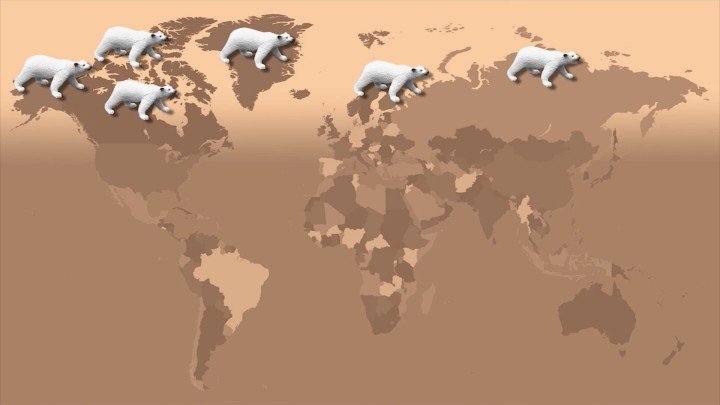
    My Great Challenge: Team Zebra and Team Polar Bear race against the clock to match animals with their proper habitat.

    In the Field: Harrison meets up a biologist, who introduces him to many types of habitats; from teensy ones on the leaf of a fern, to gigantic forest habitats, and how they’re all interconnected.

  • Garbage & Recycling

    Garbage & Recycling

    The Big Question: “What happens to stuff that goes in the trash?”

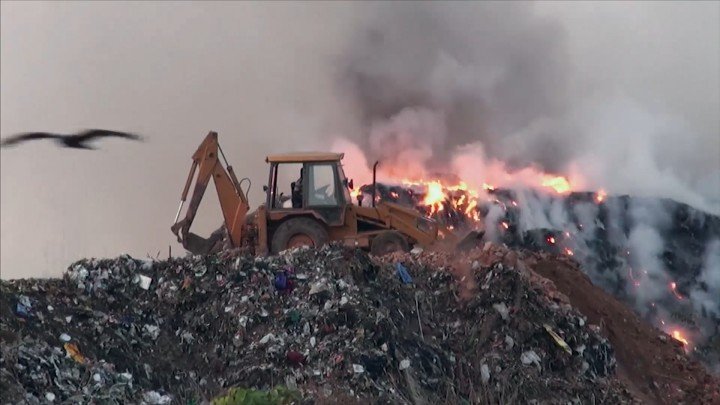
    Synopsis: Garbage is stinky and gross; but Harrison finds out that even smelly garbage can be useful, and that worms make great house pets, and why that tap water you’re drinking may have been in your toilet not that long ago!

    My Great Challenge: Challengers pick through the trash to figure out who lives in the household it came from.

    In the Field: Harrison gives up his old television set so that he can learn how a recycling center separates and uses each of its individual parts.