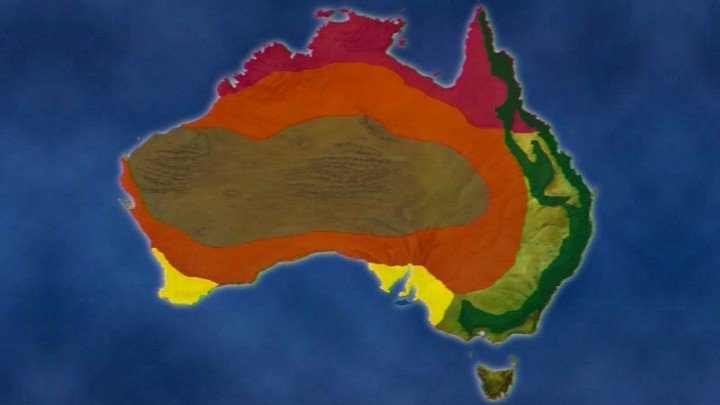
An overview of the unique and contrasting environments of Australia. Vivid images are presented of the tropical north, the red deserts, the green coastlands, the rangelands and the varied rivers, wetland and coastal landscapes. People and the human landscape are shown – the cities, farmlands and mining landscapes. An excellent starting point for Australian Geography and also useful as course review.
Subjects: Geography
-
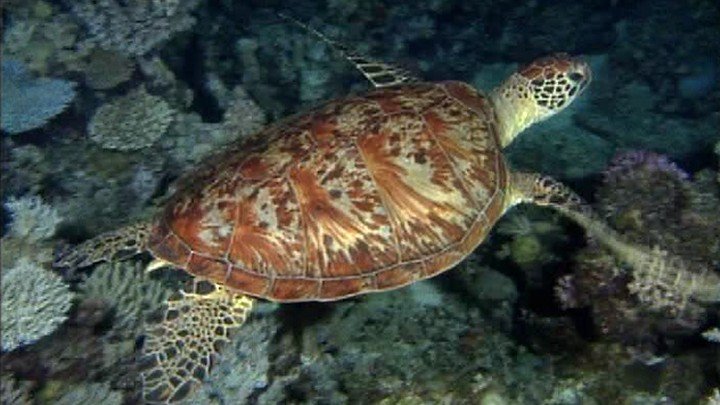
Australia’s Threatened Plants & Animals
Produced by Classroom Video and the Australian Nature Conservation Agency, this video is an introduction to some of our rare and threatened species. By exploring some of Australia’s fragile ecosystems, we define the links between biophysical environments and species diversity. Emphasizing careful ecological management, the video outlines what each species needs to survive.
-
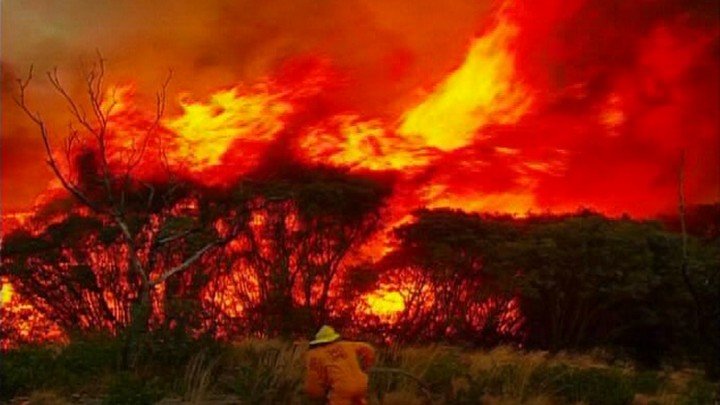
Natural Disasters – Senior
Topics include earthquakes, volcanoes, floods & bush fires, causes and effects of these natural hazards and human responses to them, the global distribution of earthquakes and volcanoes and their relationship with the boundaries of the crustal plates, case study of Wellington, New Zealand, and preparing for a major earthquake.
-
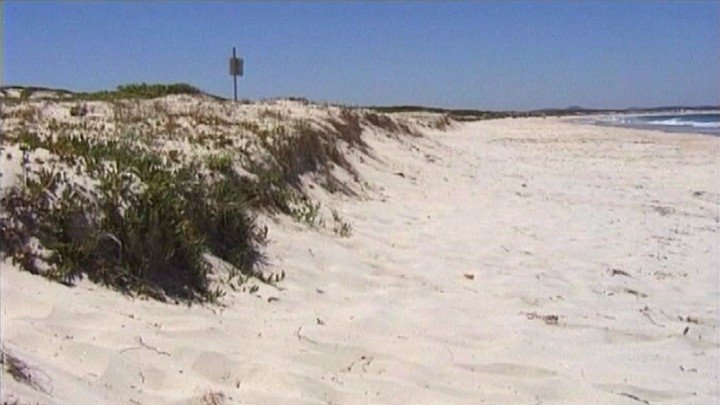
Coastal Dunes
Coastal dunes are good examples of fragile ecosystems. This video explores dune ecology, the impact of human-induced change and the management of these ecosystems through coastal dune rehabilitation. Case studies shown include dunecare groups, high school student groups, Bitou bush control, dune revegetation and ecosystem re-establishment after sand mining.
-
Australia – An Economic Profile
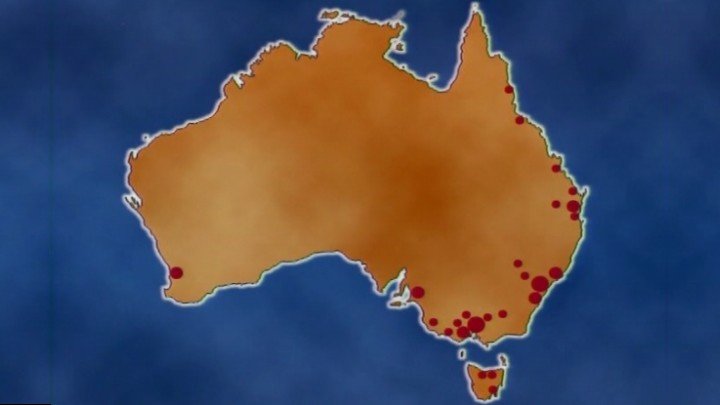
Using key economic indicators such as GDP, employment and exports figures, this video examines the primary, secondary and tertiary sectors of the economy. Particular emphasis is placed on the Australian landscape and climate, and how these effect the production of goods and services in Australia. Areas covered include the agricultural and mining sectors, fishery, forestry, manufacturing, tourism and a case study of a service industry.
-
Australian States and Territories
A journey around Australia as each state and territory is examined in turn. The colonial history of Australia, and how this led to the formation of the states with the advent of federation is investigated. The history, physical geography, climate and weather patterns of each state are examined, as well as land use and population density. We also look at the major industries in each region, and the importance of the mining and agricultural industries to the nation as a whole.
-
Australia – An Ecological Profile
This beautiful video highlights the flora and fauna of a unique landscape briefly explaining the concept of Gondwana in relation to Australia’s endemic species. It’s broken up into geographical sections:
Arid and Semi Arid Lands, Monsoonal Lands, Moist Temperate Zone, Cool Temperate Zone, Alpine Regions and Coastal Zone.
Some animal species shown include; Echidnas, Platypus, Camels, Brumbies, Death Adder, Kangaroos, the endangered Bilby, Dazzy Uret, Budgerigar, Whistling Kite, Crocodiles, Green Tree Frog, Tasmanian Devil, Quoll and Southern Right Whale.
Some plant species shown include; Spinifex, Cycad, Desert Oak, Salt Bush, Red Cabbage Tree Palm, Pandanus , Eucalypts, Strangler Fig, Black Butt, Myrtle Beech, Mangroves and Sea Grass. -
The Southeast Region: Environment
The mighty Mississippi leads students into the Southeast region to learn about the variety of natural features in this area. A trip to the Everglades and farther south to the commonwealth of Puerto Rico and the Virgin Islands territory gives students an appreciation for the many resources of this region and the importance of local resources in the economy.
-
The Northeast Region: Environment
From rugged seashores to cranberry bogs, explore the natural resources of the Northeast Region. Learn about the varied climate, the landforms, and the industries that make this region unique.
-
Relative Location
A walk through the park gives learners practice in describing relative location concepts related to direction, destination, order and location. Recognizable scenarios, live action and engaging animation build to give the young student opportunities to mentally anticipate and practice concepts and vocabulary.