Everything is where it is for a reason. This video investigates the basic concepts of ‘friction of distance’ and ‘geographical inertia’ to explain why things are where they are. We also look at historical, environmental and economic factors that affect the location of homes, business and industry, towns, power sources, bridges, tunnels, rocket launch-pads and canals. The effects of changing technology on location are also examined.
Subjects: Geography
-
Logging in PNG
Examines the effects of uncontrolled logging in a tropical environment, both on the ecology and on the local inhabitants and the associated political and economic pressures from multinational logging companies.
-
Japan (Senior)
Society, economy, politics, technology, population, consumerism, exports and foreign policy.
-
Japan (Junior)
Explore the following topics related to Japan; society, economy, politics, technology, population, consumerism, exports and foreign policy.
-
Impacts of Globalization
This video investigates: economic growth and development; contrasts in levels of development in the global economy as outlined by the United Nations Human Development Report, and reasons for the differences; international convergence (the move towards market economies); the role of trade, investment and trans-national corporations in the global economy; environmental consequences of globalisation.
Case Study – The impact of globalisation on the Republic of Ireland, and the strategies that are being used to promote economic growth and development. -
Impacts of Tourism
This video begins by defining tourism. It then explores the impacts of the tourism industry in terms of economic, environmental, social and cultural sustainability. Topics include definition of tourism; economic impacts; environmental impacts; social impacts; cultural impacts; addressing the impacts of tourism.
-
Glaciers and Glaciation
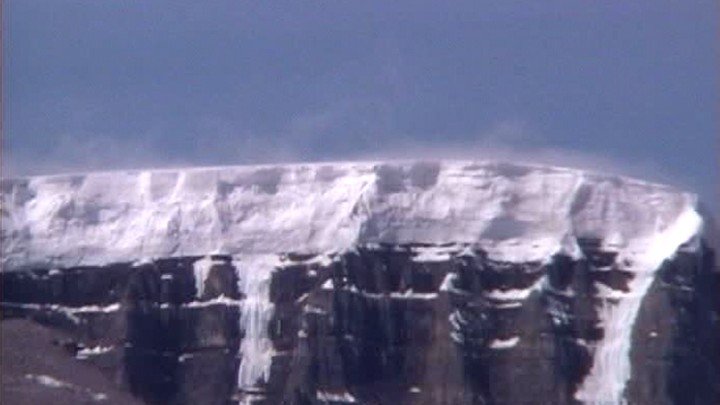
North American Version. Development and characteristics of glaciers in different stages, including their movement, their effect on mountain features and landforms, and their advancement and retreat. The water, or hydrologic cycle is reviewed in terms of its importance to the buildup of ice and snow during periods of global cooling. Some concepts and landforms are illustrated through demonstrations and computer imagery.
-
Global Business
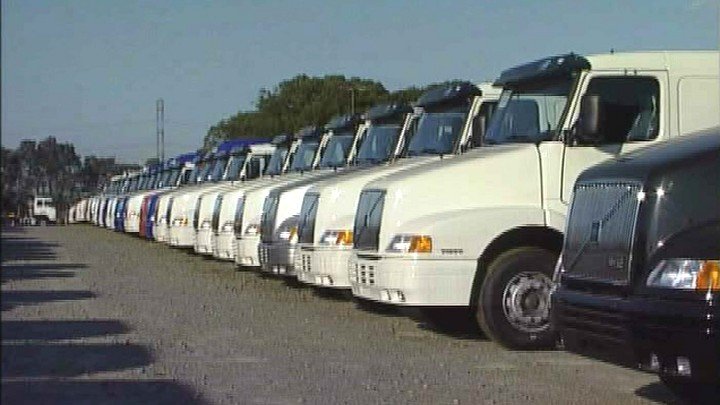
Over the past eight years world famous Swedish auto maker Volvo has gained a foothold in the South American market by establishing a major manufacturing plant in Brazil. The video explores: why Volvo sought to expand its global business by building its plant where it did, including geographical, operational, human resource and political considerations; how Volvo seeks to create a positive work environment for staff; environmental initiatives and objectives; community initiatives; the company’s contribution to Volvo’s global business; how the plant is managed. Appearing on camera is Volvo’s South American director Carlos Morassutti.
-
An Introduction to France
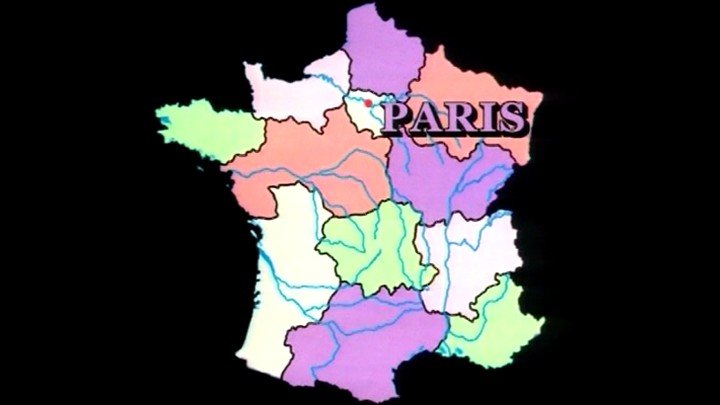
This video introduces Paris, the capital of France and looks at a region west of Paris where the “Dubois family” lives in the country. We stroll through a typical French market in the small town of Meulan. We visit a 12th century Church and look at Castles. Traveling through Normandy we find out about the style of this region by strolling through the streets of Honfleur, a small seaside town on the Channel Coast. Of course, food is of paramount importance to the French so we visit a Cake Shop and a 100 year old Cheese Shop in the town of St Germanin en Laye near Paris. The video also doubles up as a language program by introducing French words that are relevant to what we see.
-
European Tourism
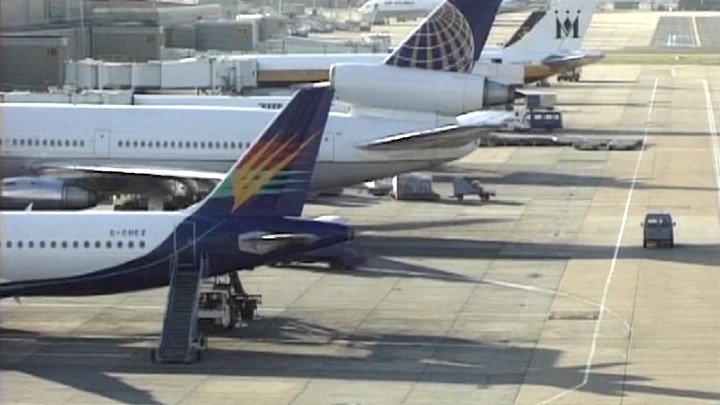
Using examples from Spain, Switzerland and the UK, this video examines; the history and growth of tourism in Europe, the impact of tourism on the physical and human environment, how authorities manage tourism, and future strategies for tourism