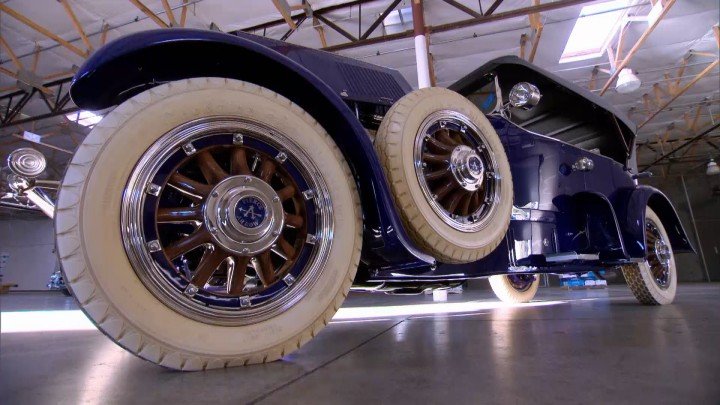
For six days in January the barren desert outside Scottsdale, Arizona becomes the site of one of the world’s biggest automobile events of the year – the Barrett-Jackson Collector Car Auction. 300,000 people from around the globe gather under a 8 hectare tented city to watch 3000 bidders vying for 1300 of the world’s most exotic and expensive used cars. The stakes –$100 million dollars. With 40 hours of live auction broadcast on SPEED network, it takes a team of 800 people from Barrett-Jackson working day and night behind-the-scenes to pull off this iconic event. Barrett-Jackson gets a percentage of each sale, so selling each car for the best price is the name of the game. President Steve Davis estimates the price ahead of the auction. A world expert on collector cars, he analyzes a database with 40 years of auction sales, identifying all transactions on similar makes and models. He boasts that he can accurately determine within 5% what any car will sell for at the auction. Then it’s up to the auctioneers to get that price!
Subjects: Design
-

Aalsmeer Flower Auction
Equivalent in size to the kingdom of Monaco, nearly half of the blooms that make up the 40 billion dollar a year flower industry will be bought and sold at the Aalsmeer Flower Auction. Located southwest of Amsterdam, every day highly perishable imports arrive from around the globe, only to be shipped out less than 24 hours later. In the lead up to Valentine’s Day, this logistics hub will be stretched to its very limit as thousands of people work tirelessly to receive, care for and distribute almost 50% more flora than usual (including more than 100 million roses!)
-
Whistler Blackcomb
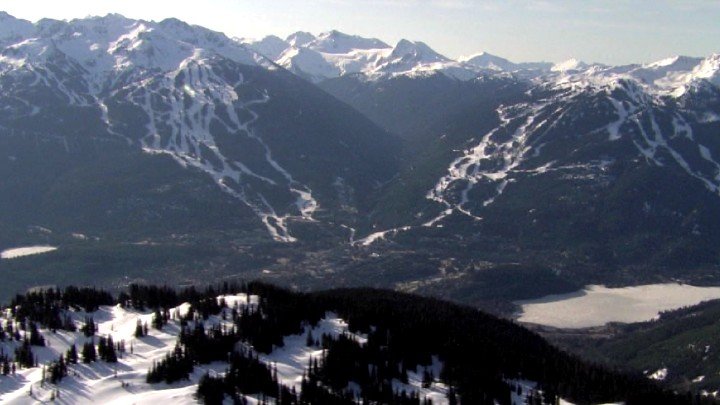
Boasting the biggest vertical drop in North America and with over 32 square kilometers (8000 acres) of mountainous terrain, Whistler Blackcomb is one of the best places in the world to ski and snowboard. The numbers speak for themselves: over 200 trails, 5 parks, 1 super pipe, 1 snow cross track, 37 lifts that can move 69,680 skiers per hour, 17 mountain restaurants and a ski season that stretches from November to late May/early June. With an average of 1092 cm of snowfall a season, the fresh powder is what joy riders are after, but this much snow can also be deadly. A team of 5000 work 24/7 to keep them safe.
-

100th Grey Cup
The Rogers Center is gearing up for fifty three thousand attendees and 8 million viewers tuning into one of the most exciting sporting events in North America – the 100th Grey Cup on TSN. While all eyes are focused on the football plays and the half-time show, what people don’t see is the amazing technology, coordination and talent that work tirelessly behind-the-scenes to prepare for and pull off the live broadcast of this multi-million dollar event. In the high adrenalin world of live event broadcasting, there are no second chances. Deadlines can’t be missed and decisions are split second. It takes more than 200 skilled technicians six days to convert 1.6 million cubic meters inside the Rogers Centre into a full HD, live television broadcast studio. Using ten kilometers of camera cable, crews connect 37 cameras and more than 150 microphones to capture the plays and the sound inside the dome.
-
Four Seasons Hotel
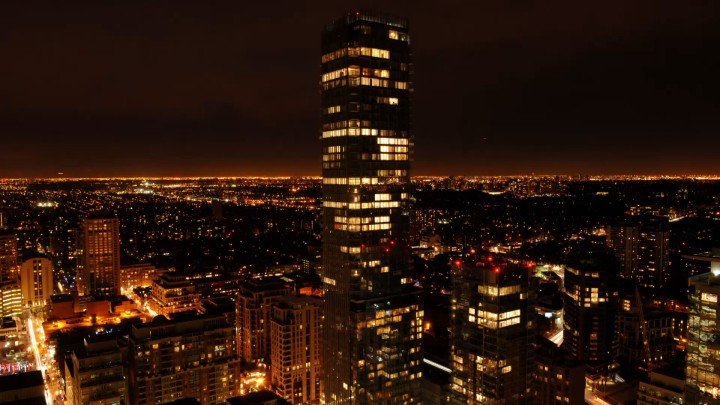
Soaring 55 storeys above Toronto’s city skyline, the brand-new Four Seasons Hotel stands as a cutting-edge flagship for the iconic chain when it opened in early October 2012. Competition is stiff in Toronto with the recent launch of the 5-star Ritz-Carlton and the Trump International Hotel – and the Four Seasons’ global reputation rides on the flawless opening of this high-profile home base. The pressure is intense and the hotel’s 400 staff members feel the heat! Nerve Center had unparalleled behind the scenes access to the one of the most highly anticipated hotel launches in the history of the company.
-
Channel Tunnel
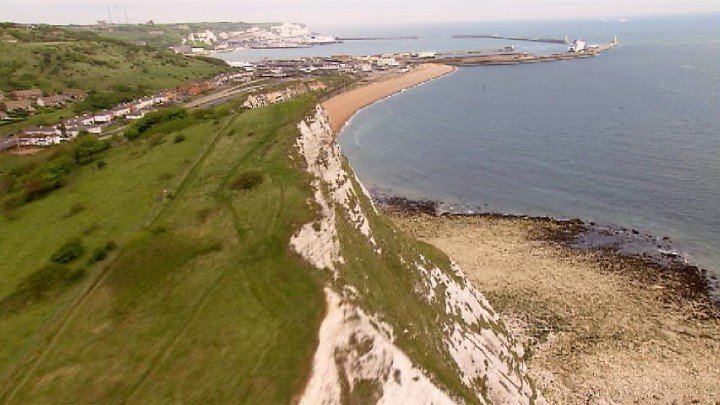
Over a century in the making, the Chunnel is the longest undersea rail tunnel in the world. After eight years of leading edge construction, the Eurotunnel project rang in at a cost $21 billion dollars. Considered one of the Seven Wonders of the Modern World, the Chunnel is a marvel of modern engineering and one of the most important rail systems in the world. Every hour multiple trains travel through the Chunnel’s 50-kilometer expanse; crossing the English Channel in just 33 minutes. With a departure once every ten minutes, any system breakdown could severely disrupt cross-channel traffic, affecting up to a hundred thousand people and costing Eurotunnel millions.
-
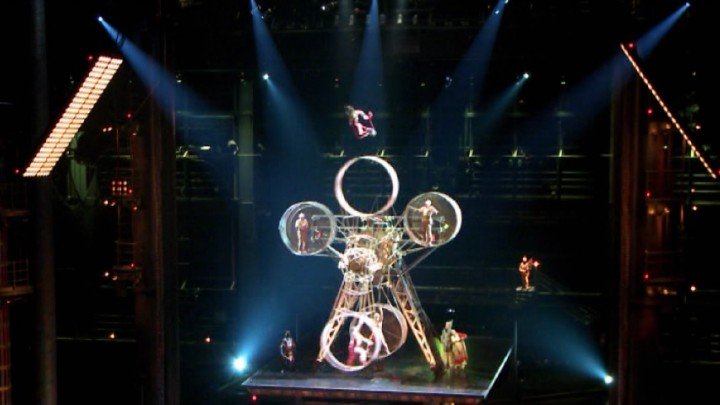
Cirque du Soleil’s “KA”
One of the most technically astounding live shows in the world, Cirque du Soleil’s “KA” opened in 2005 at the MGM Grand Hotel in Las Vegas. The main stage is the star acrobat of the show – it can raise 70 feet, tilt from horizontal to vertical and spin a full 360-degrees thanks to its muscle – an 80-foot gantry crane. All of the performers’ movements are choreographed to be perfectly in-sync with the movement of the stage.
-
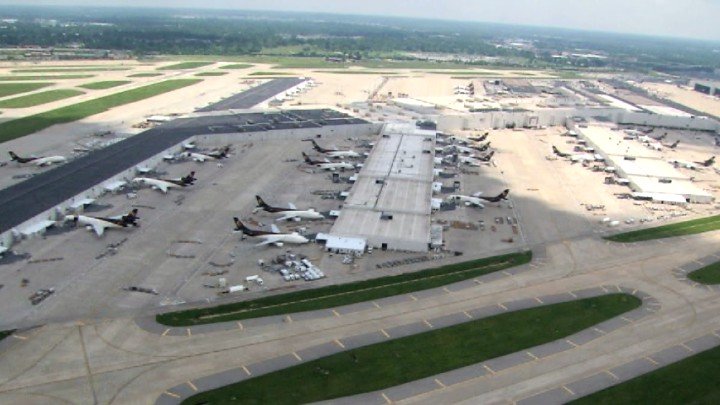
UPS Worldport
Best known for its trademark brown trucks, vans, and scooters, UPS delivers almost sixteen million packages in 220 countries around the globe every day. The company also boasts one of the world’s largest plane fleets – 223 aircraft. Worldport, UPS’ main airhub, is home base for that fleet – almost half of all UPS’s air deliveries fly through here. Upon arrival, parcels are unloaded, scanned, sorted by size and location and then flown out of the facility – all within the hour.
-
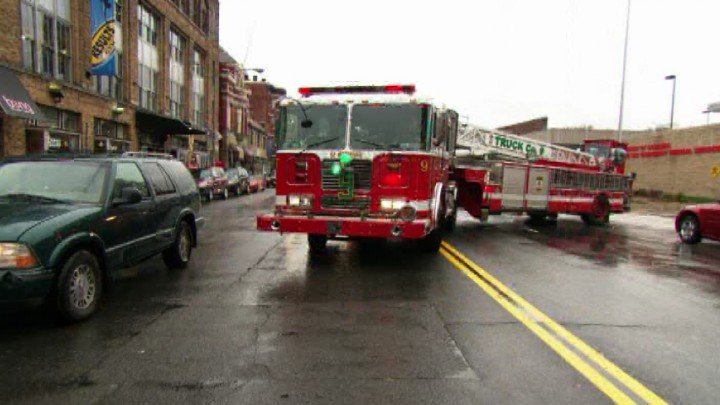
Washington DC Fire and EMS
Suit up with one of the busiest all-hazards agencies in the U.S. They get more than 160,000 calls a year. That’s an average of 438 a day. Washington DC’s FEMS is one of the busiest all-hazards agencies in the US. When they’re not putting out fires, rescuing people from collapsing buildings or determining the contents of a suspicious package left on the steps of the White House, their units are protecting the district during special events at the nations’ capitol. Meet the men and women whose quick decisions can – and often do – save people’s lives daily.
-
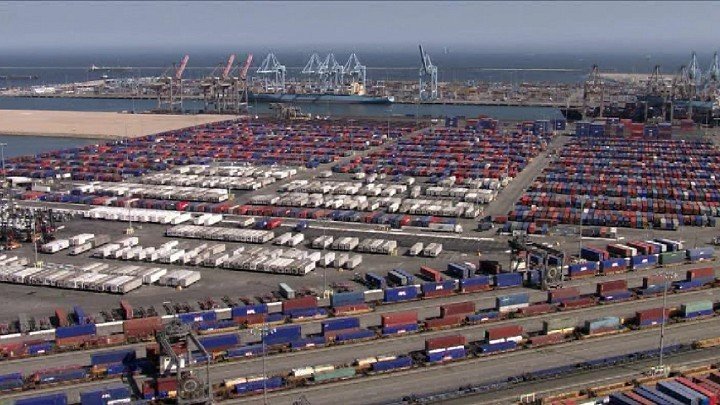
Port of Los Angeles
Take a 24-hour ride through the most significant gateway in North America. Spread across 4,300 acres of land and 3,200 acres of water the port boasts nine container terminals. The Port of Los Angeles – known affectionately as “America’s Port”- is the biggest, busiest and most significant gateway to the North American market. With 500 million dollars worth of cargo passing through the LA wharves everyday, a delay at this port sends a ripple effect through the U.S. economy. With over 80 shipping lines constantly moving through its harbour, the Port of LA employs a team of 13 port pilots to guide all vessels through its waterways.