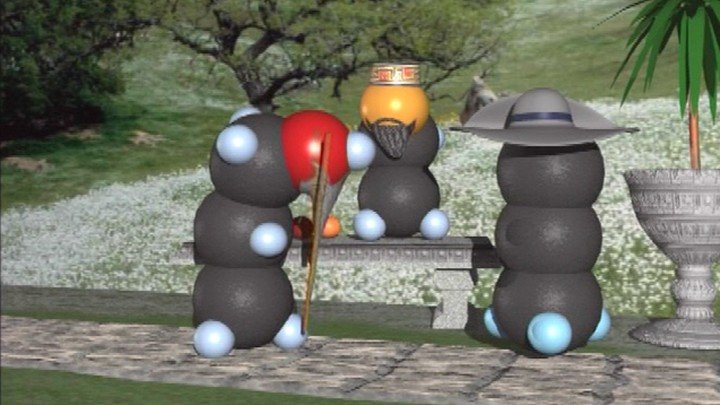
North American Version. The crazy atoms put on a pantomime, telling the history of Atomic Theory from their point of view! A fully animated program with lots of information about such people as: Leucippus, Empedocles, Aristotle, Epicurus, Gassendi, Boyle, Newton, Priestly, Lavoisier, and Dalton.
Subjects: Chemistry
-
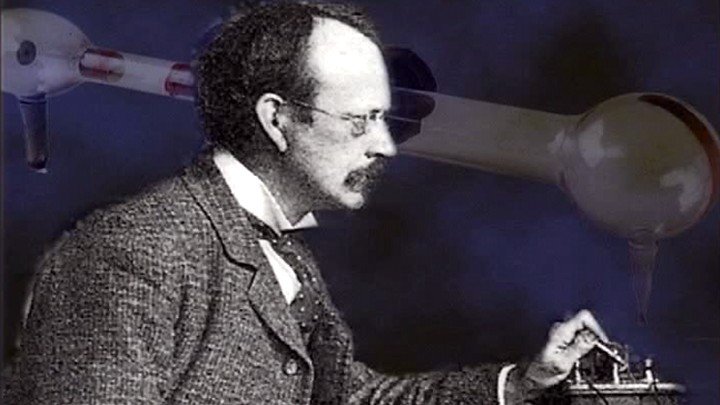
History of the Atom Part Two
Some of the key experiments performed between 1870 and 1940 which established the structure of the atom. Cathode ray tubes, canal rays, mass spectrometer, Thompson’s plum pudding model, Rutherford’s gold foil experiment, the Bohr model and the orbitals and quantum mechanical model.
-
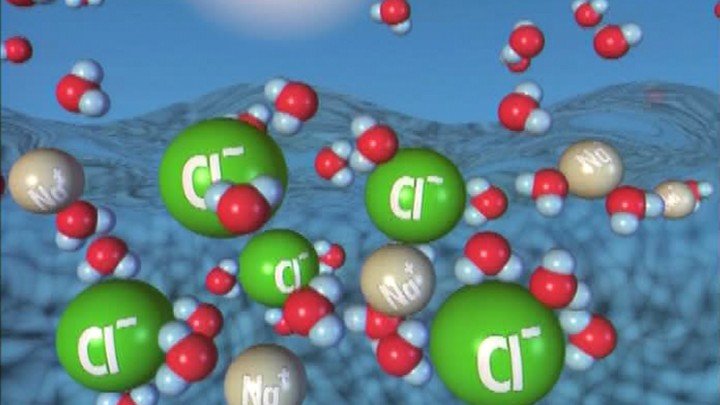
Physical and Chemical Changes
A fun, animated lesson in physical and chemical changes. The atoms are looking for partners and employment. Xenon and Krypton set up as Marriage Councilor and Employment Officer and conduct a series of marriages, H to O and Na to Cl etc. A friendship or physical change is formed between iron and carbon to make steel. They find jobs for various elements, compounds and mixtures.
-
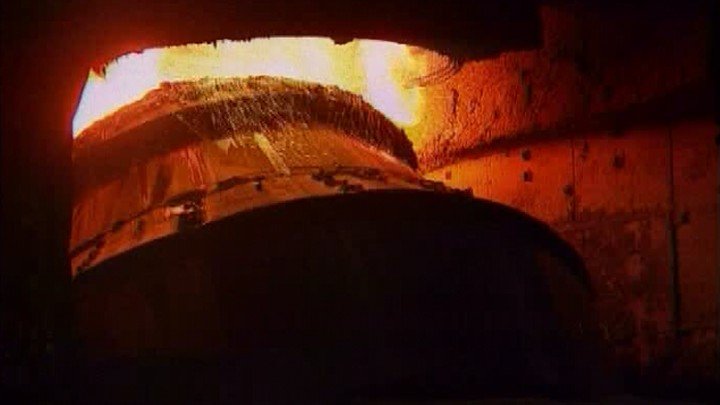
Ferrous Metals
A comprehensive introduction to ferrous metals and their uses; topics include what are ferrous metals, main sources of iron ore (world-wide, converting raw materials into useful materials (steel-making), classification of steels and steel alloys, physical and chemical properties, methods of testing properties, secondary processing: methods of turning steel into products, importance of matching, end-use requirements with material properties, and recycling.
-
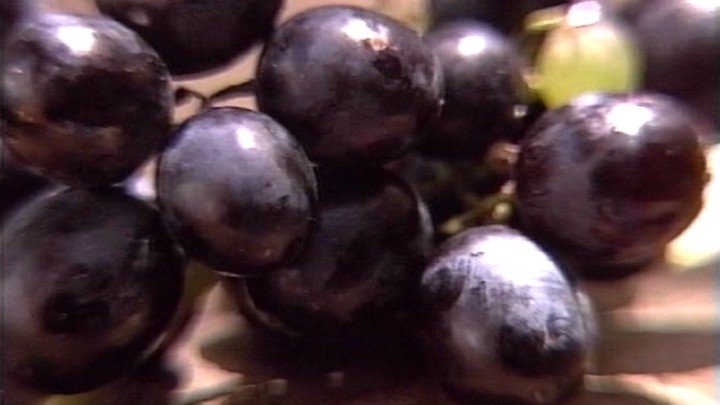
Chemical Energy
Chemical Energy explores the follow topics, alternative fuels for vehicles, energy in food and plants, photosynthesis, endothermic and exothermic reactions, CO vehicle fuel from gas or charcoal burner, enthalpy, water and producer gas, synthetic fuels from coal and biomass, ethanol production from biomass, cost and technology.
-

Chemistry of the Environment
Chemistry of the Enviornment examines Porgera Papua New Guinea Gold Mine: An environmental impact study looking at heavy metals in the food chain down river. Treatment of waste stream for heavy metals. Topics discussed include dissloved oxygen, turbidity, calcium, magnesium, nitrogen, phosphorus, sodium, chloride, carbon dioxide, sulfur oxides, photochemical smog and the ozone.
-
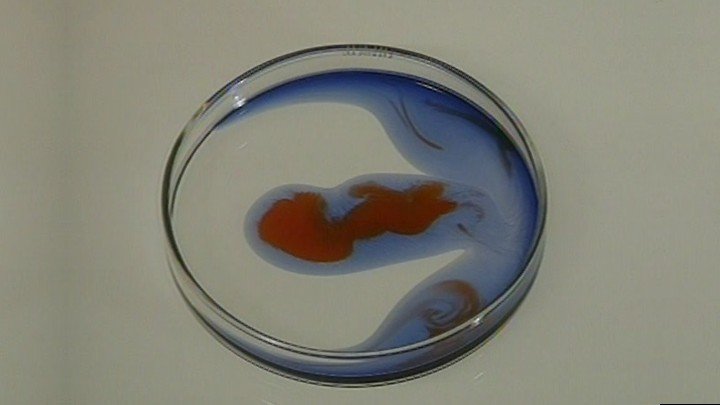
Chemical Equilibrium
Imaginative analogies and models bring this complicated subject within reach. Topics examined include familiar systems, effect of temperature, molecular view of equilibrium, equilibrium in phase change and solutions, notations and conventions, limestone caves, and Belousov-Zhabotinsky.
-
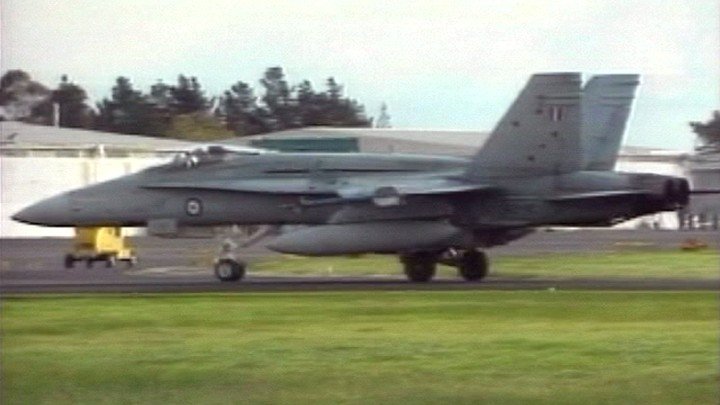
Composites: Properties and Uses
A comprehensive introduction to composite materials and their uses. Topics include what are composites, raw materials: main sources world-wide, primary production: converting raw materials into useful materials, classification of composites, physical and chemical properties, methods of testing properties, secondary processing: methods of fabricating composite products, selecting of materials: importance of matching end-use requirements with material properties, and recycling
-

Bonding Part 2
Illustrates inter and intra molecular bond strengths with the newly discovered biscuit/cookie bond analogy. Topics covered include bond strengths, dipole-dipole attractions, polar covalent, intermolecular hydrogen bond, how helium liquefies, hydrogen bonds in water, and metallic bonding in gold and silver.
-
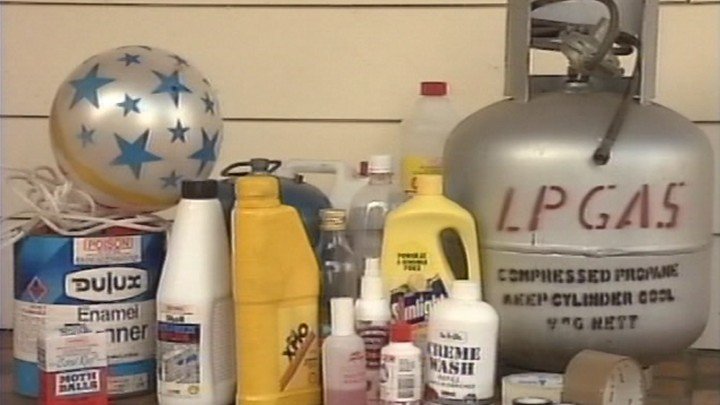
Carbon Chemistry
Carbon Chemistry examines structure nomenclature, alphatics, aromatics, cyclic, adding groups, uses of each substance and lab demonstrations.