Grade levels: Upper Elementary (4-6)

  • Electricity

    Electricity

    The Big Question: “Why does my hair stick to my chair?”

    Synopsis: A physicist visits Harrison to explain how electricity is generated, and teaches us how it can be conserved. Viewers can take part in a fun experiment to see electricity at work in their own bodies.

    My Great Challenge: Kids race to complete a circuit! But before they can do anything they must find a way to transfer power over a short distance, from a battery to a light bulb, by determining what materials conduct electricity.

    In the Field: Harrison goes to the Sea Aquarium to visit a marine expert and some willing aquatic life to explore why electric eels don’t electrocute themselves and how sharks can detect our presence because of electricity!
  • Language & Communication

    Language & Communication

    The Big Question: “Can a horse and a pig communicate?”

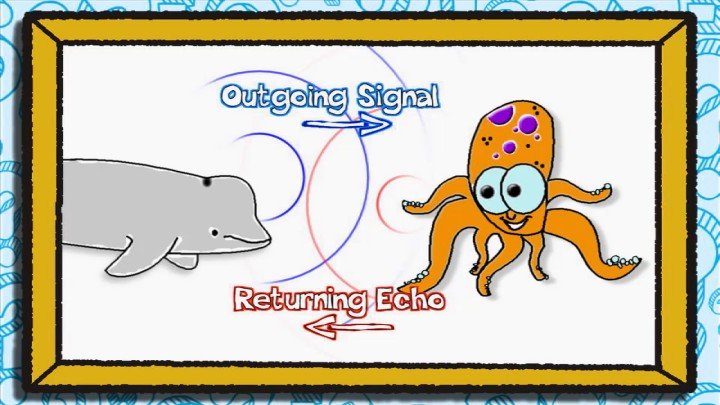
    Synopsis: Harrison is visited by a very special guest – a parrot – and he tries to figure out if he can understand what it’s saying! Meanwhile, viewers get to test out their ability to communicate with dogs. Harrison also discovers why humans speak so many different languages.

    My Great Challenge: Kids use their hands to pantomime ideas in an effort to communicate like our distant ancestors.

    In the Field: Harrison sets off to the Sea Aquarium to see if dolphins can understand sign language.

  • Tools

    Tools

    The Big Question: “Why will things change when you get older?”

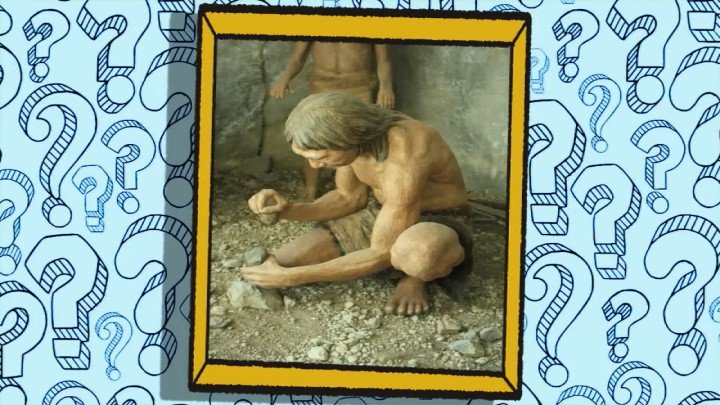
    Synopsis: An anthropologist and real-life expert in prehistoric tool-making teaches Harrison how to make Neanderthal knife blades and to paint like a “cave kid”. Harrison invites kids at home to join him in making simple machines – a wedge, an inclined plane, and a lever – using nothing more than a sheet of paper.

    My Great Challenge: Contestants must figure out how to adjust a simple catapult in order to see who can throw a toy monkey the furthest.

    In the Field: Harrison takes on an assembly line robot to see which of them can put a car together the fastest.

  • Sound

    Sound

    The Big Question: “Why do people hate the sound of fingernails on a chalkboard?”

    Synopsis: Harrison is joined by rapper and musician Kid Koala, a special guest canine, and opera singer Lindsay Michael. Individually, these experts help us find out about the delicate mechanisms that help us hear. The special guest canine helps Harrison figure out whether dog whistles really are silent, and Lindsay Michael tests out whether a person can actually shatter a crystal glass with their voice. Viewers at home find out if they have bat-like hearing!

    My Great Challenge: Kids must compete to see who can give our opera singer goose bumps by figuring out which material to scratch together to make the shriekiest sounds!

    In the Field: Harrison travels to the sea aquarium and discovers that certain fish may use sound to communicate – by farting at each other!

  • Insects

    Insects

    The Big Question: “Are mosquitoes good for anything, or are they just annoying?”

    Synopsis: Harrison visits an entomologist who explains to him how insects that eat insects can replace the poison farmers use to keep bad bugs away from their crops. Harrison is joined by a biologist who puts on a fascinating show and tell with all kinds of live bugs. He then puts school kids to the test by asking them to eat everyday products that most of us don’t realize contain…you guessed it…bugs! And viewers find out that a lot of household products are made using insects (everything from carpets to lipstick!).

    My Great Challenge: Harrison sets up a faceoff between Team Bee and Team Butterfly to see who the best pollinator is!

    In the Field: Our roving correspondent Sidney visits a food scientist and a chef who cook her up a tasty bug stir-fry!

  • Colour

    Colour

    The Big Question: “Is snow really white?”

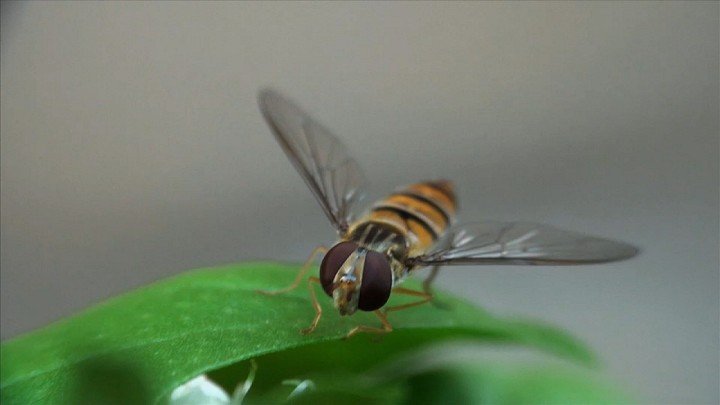
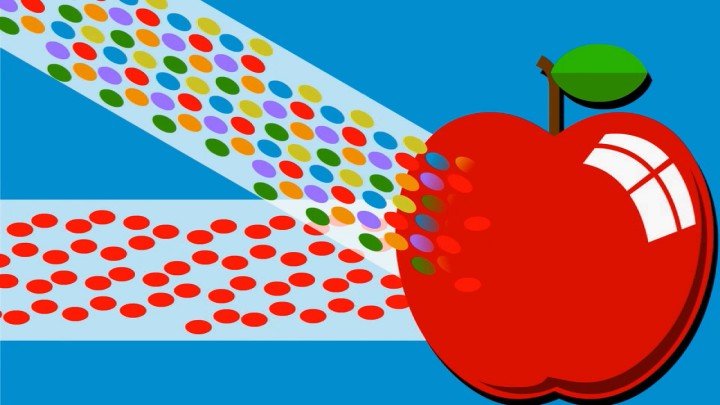
    Synopsis: With the help of an animal expert, Harrison finds out how chameleons change color and viewers find out if they’re lion sighted in a color blindness test. A physicist explains why there are some colors that we can’t see, and viewers get a bug’s eye view of the world in order to discover how bugs see things that are invisible to humans! Harrison carries out an experiment to see if kids will turn their noses up at a batch of blue scrambled eggs!

    My Great Challenge: In this week’s challenge, viewers have to make colors – with other colors!

    In the Field: Harrison takes to the skies in an Air Force search and rescue helicopter for a high-flying experiment to find out why some colours attract our eye more than others.

  • A Right to Eat

    A Right to Eat

    Northern Manitoba: With a jug of milk ringing in at over $14 in some of the provinces lowest income communities, it’s not difficult to imagine how grocery bills can account for up to 80% of the household budget or why Diabetes rates have hit 50% in some regions of the north. Local studies have shown that food insecurity rates in northern Manitoba are coming in between 70% and 80%. That’s approximately eight times the national average. Poor diets and restricted access to fresh, healthy foods are having a devastating impact on peoples mental and physical health.

    A Right to Eat follows regular families living in Northern Manitoba, in their fight to put healthy food on the table. It’s a deeply intimate look at the frightening realities of food insecurity faced by two of Canada’s most isolated northern First Nation communities and their courageous battle against hunger, disease, and dependency.

  • What to Take

    What to Take

    Do we take TIME for the important things in life – maybe we should! We all know a tree takes water and nutrients from the earth and energy from the sun. What’s wrong with that? Mr. Treemendous reasons with children (and adults too) that it is okay to take some things! Like taking time to encourage others, taking time to stay clean, taking time to learn, and taking time to be yourself. Singing a number of original songs from various genres, Mr. Treemendous and his lovable animal friends laugh, giggle and learn how to take time for the good things in life! Inspiration: The cartoon is inspired by two experienced educators who like to use toe-tapping music to develop curriculum content for children so that they are entertained and receive clean, healthy, positive, and constructive messages for their social, emotional, and cognitive development.

  • Land of Oil and Water

    Land of Oil and Water

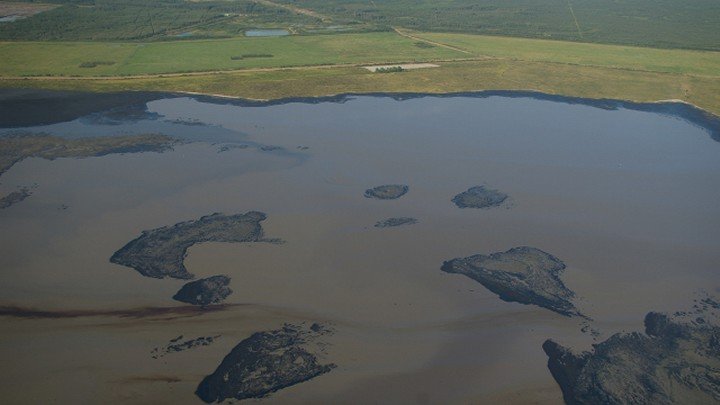
    Two Canadian Aboriginal communities fight for their traditional way of life amid the most destructive oil recovery operation ever known. This sensitive and nuanced documentary follows the journey of Warren Cariou, a writer from Northern Saskatchewan, who learns that oil companies from Alberta are expanding into his homeland. Warren travels back to the Cree and Dene community of La Loche and to the nearby Métis village of Buffalo Narrows to ask the people what they hope the development will bring in the future, and also what they fear about it. He then travels across the border to Alberta and speaks to the Native people there who have lived with the oil sand developments for more than thirty years. The film provides a personal and compelling portrait of Canadian Aboriginal communities and their struggle to preserve their way of life in the face of rapid and relentless change.

  • Finding Sergeant Partridge

    Finding Sergeant Partridge

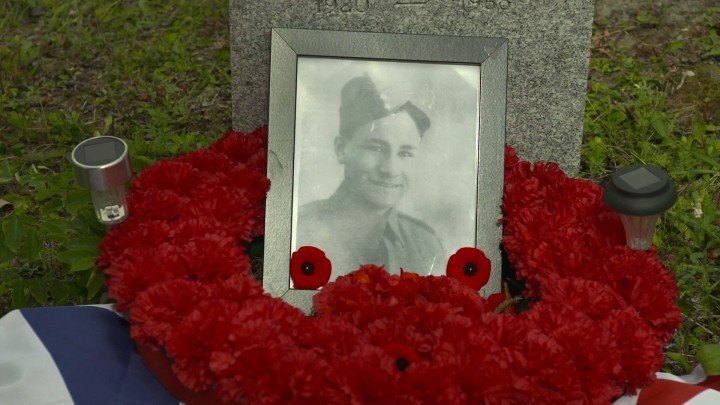
    A granddaughter embarks on a search for her grandfather’s roots and finds much more. Two Peter Partridges, two worlds apart, two families searching. This film tells the story of a granddaughter in England who embarks on a search for her grandfather’s roots and finds much more. Solving her family’s mystery unites her with a family she didn’t know she had in The Pas, Manitoba, ending their search for a brother they weren’t sure existed.