Synopsis: The final show of the first season brings together highlights of the previous fifteen episodes. The most amazing experts, incredible experiments, and entertaining animals – and the funniest bloopers – all come together to help Harrison’s first season go out with a big bang!
Grade levels: Upper Elementary (4-6)
-
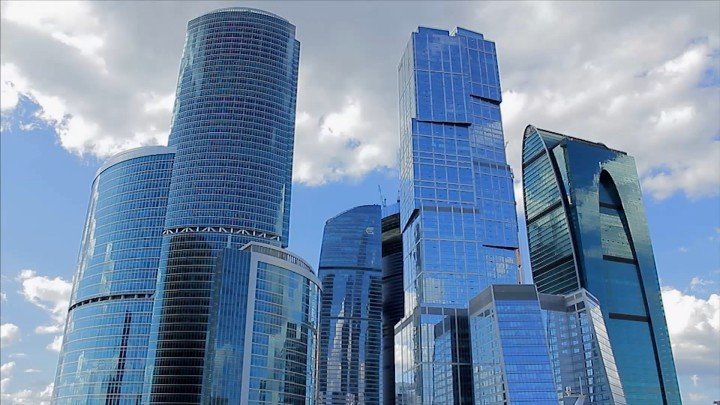
Structures
The Big Question: “Why when I build my castle tall, it always falls down?”
Synopsis: Structures are things that we build, that make life easier, like a house or a bridge. Harrison finds out how animals have been building structures for millions of years, as well as the best way to build structures, to keep them strong and sturdy, and realizes that humans could learn a lot from beavers.
My Great Challenge: Two teams of challengers build a bridge over dino-valley with marshmallows and pasta. Who will cross first, and who will be dino-dinner?
In the Field: Harrison visits some really cool tree houses, and discovers that tension can be very relaxing.
-

Food & Nutrition
The Big Question: “Why do we have to eat?”
Synopsis: We have to eat, because our parents make us! But seriously, Harrison learns how good, healthy food helps us grow big and strong and smart, why foods taste different between boys and girls, and which junk foods disguise themselves to pretend that they’re healthy.
My Great Challenge: How well do you know what’s in your food? Harrison surprises some challengers as they try to guess how much fat and sugar are in their favourite foods.
In the Field: Yummy?? Bacon-flavoured popcorn is on the menu, washed down with onion soda. Harrison visits a company that makes flavours and creates some weird ones to share.
-

The Moon
The Big Question: “Why does the moon follow us?”
Synopsis: Harrison investigates intriguing facts about the moon, like why people think wolves howl at the moon (they don’t), whether the moon really turns people into werewolves, who the first men on the moon were and why the moon appears to follow us. Viewers at home test out their jumping skills as Harrison demonstrates where we’d be without gravity!
My Great Challenge: Using nothing more than a light, their wits, and funny headgear, challengers must figure out why the moon is sometimes full and why at times, it disappears!
In the Field: Harrison goes to…the Moon! Okay, maybe not the actual moon, but a simulated moonscape created by the Space Agency, where astronauts practice their extraterrestrial techniques and test out new equipment. There, a lunar geologist provides the answers to more kid questions, explaining how the Moon was formed and why there are craters.
-
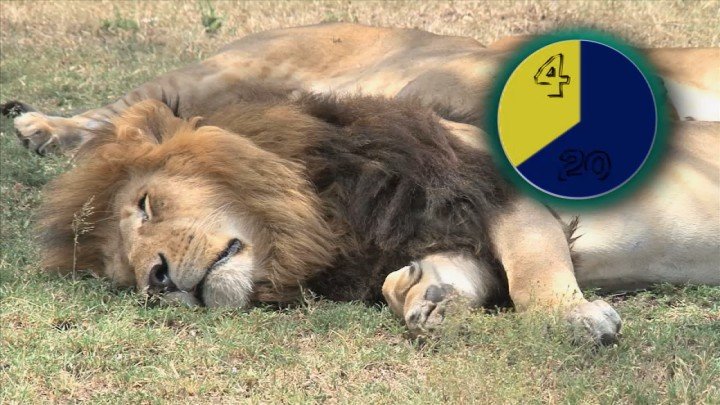
Sleep
The Big Question: “Why do bats sleep upside down?”
Synopsis: Harrison sets off on an investigation of such sleep phenomena as yawning, snoring, and sleepwalking. Along the way he shows kids how to make other people yawn and how to make it seem like they are fast asleep (with fake snoring!). Viewers get to find out what causes nightmares and how to make bad dreams go away.
My Great Challenge: The challengers must have slept in today….there is no great challenge in this episode.
In the Field: Harrison explores a sleep lab where he is hooked up to an EEG machine that monitors his brainwaves.
-
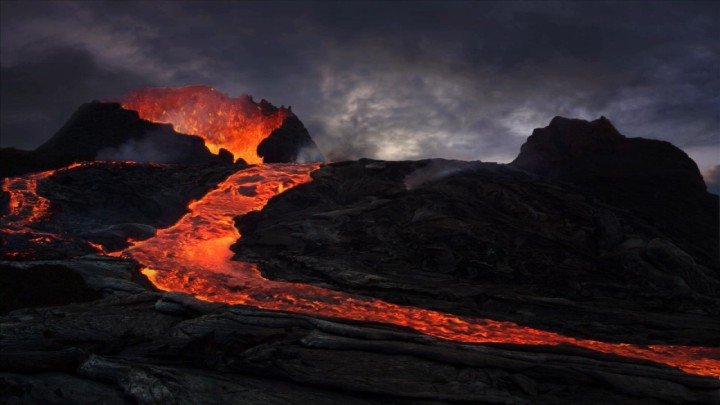
Volcanoes
The Big Question: “What would happen if someone cracked the Earth?”
Synopsis: Harrison gets permission from his school to build a very large volcano and with the help of a real-life volcanologist he creates a grand finale in the form of one of the largest mentos and cola eruptions ever concocted on television! Viewers learn what to do if the earth starts shaking.
My Great Challenge: Oozing lava must have swallowed up the challengers today. There is no great challenge in this episode.
In the Field: Roving reporter Sidney visits an exhibition on volcanoes and earthquakes, and gets to make her own mini-earthquake. She meets an adventurer who goes down inside active volcanoes and gets a live demonstration of how his flame-proof suit works when one of his friends sprays him with liquid fire!
-
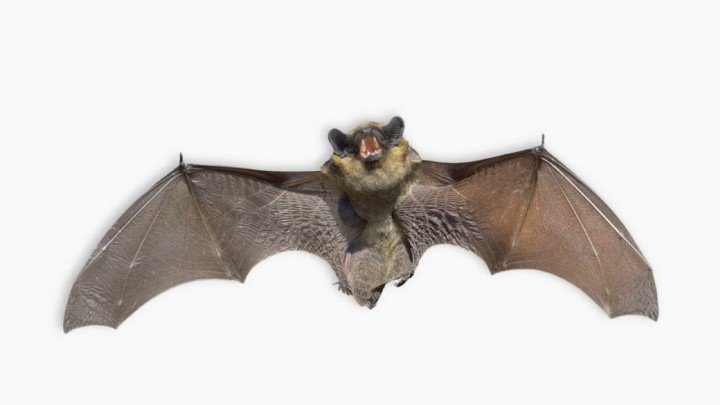
Flight
The Big Question: “Why can’t we fly?”
Synopsis: With the aid of a wind-tunnel and a four-time national radio-controlled airplane champ, Harrison takes to the school yard to discover why some things fly better than others and viewers find out what it really takes to leave the ground.
My Great Challenge: Challengers take part in a paper airplane experiment to see who can make the best wing.
In the Field: Harrison goes out into the field with a bird trainer to get a close up look at two of the best flyers in the animal world – an owl and a falcon.
-

Weather
The Big Question: “How come weather changes?”
Synopsis: Harrison is visited by a real-life television weatherman who shows us how he predicts the weather. Viewers will learn how to gauge wind strength and direction from famous storm chaser George Kourounis as Harrison talks to him live from a location in America’s Tornado Alley.
My Great Challenge: Harrison and the weatherman create an in-studio challenge where kids try their hand at presenting a weather forecast in front of a green screen.
In the Field: Terrible storms must be in the area today…there is no In the Field segment in this episode.
-
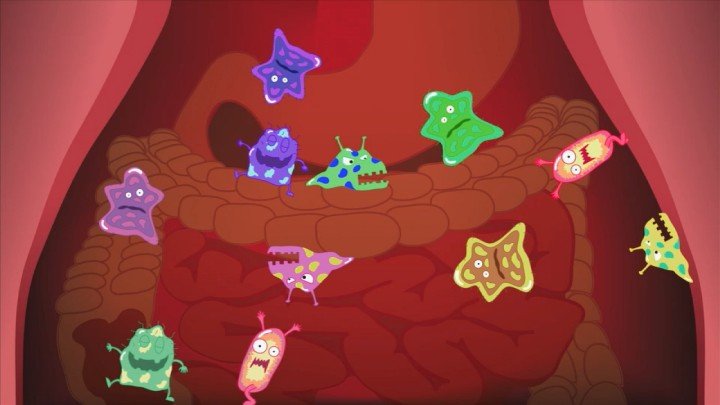
Sickness
The Big Question: “How does your nose get runny?”
Synopsis: Harrison is visited by a microbiologist who helps him take a close look at an invisible world and figure out how to stop viruses from hurting us. In the name of science, Harrison performs a top secret experiment at an elementary school to find out how quickly germs can spread. Viewers at home learn how to grow their own fungus.
My Great Challenge: Harrison tests school kids by seeing who among them can get their hands the cleanest.
In the Field: Roving reporter Sidney puts on a full containment suit and goes to a high-security lab where the most dangerous viruses in the world are studied. There, she discovers that not all germs are bad, and – surprise – we actually need some of them to survive!
-
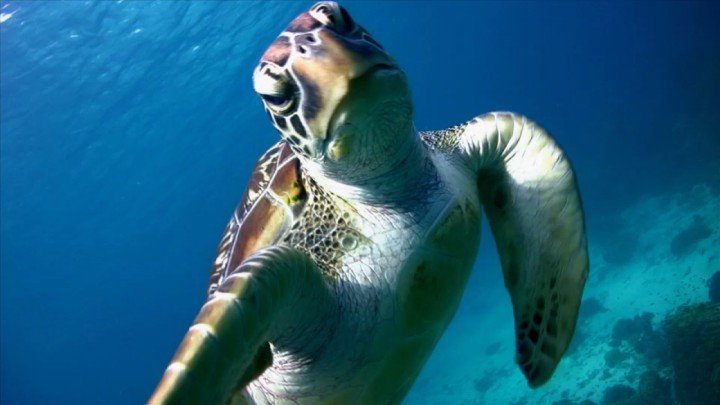
Animals Big and Small
The Big Question: “Do dinosaurs eat people?”
Synopsis: Harrison sets out to explore why it is that some animals evolve to be big, while others evolve to be small. He is visited by a miniature horse and its foal who help him find out why animals are bred to be different sizes. Viewers are encouraged to test their own ability to make themselves seem as big as possible!
My Great Challenge: Challengers take part in a competitive (and tasty!) experiment to find out whether it’s an advantage for a predator to eat big or small prey (or to be big or small prey).
In the Field: Harrison takes a trip to the aquarium to visit some of the biggest animals of all – whales!