Grade levels: Upper Elementary (4-6)

  • Solids, Liquids & Gases

    Solids, Liquids & Gases

    The Big Question: “Why isn’t magic real?”

    Synopsis: Magic IS real – sort of. Nature creates its very own magic, turning gases to liquids, liquids to solids, and solids into gas. Harrison’s attic is full of magic today with instant ice cream, a flying guinea pig and a magician who makes water appear from nowhere!

    My Great Challenge: Challengers have to race to stay dry while standing on a liquid. Or is it a solid?

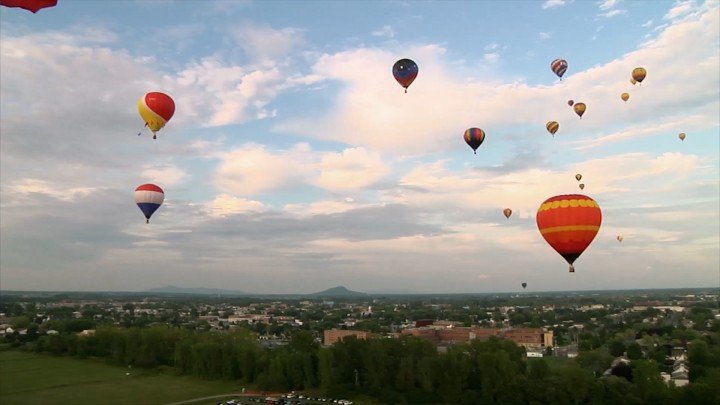
    In the Field: Harrison is airborne when he finds out how hot air balloons can fly.
  • Babies & Families

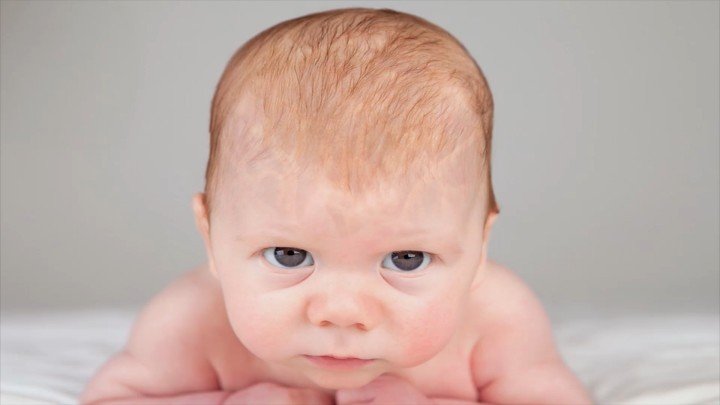
    Babies & Families

    The Big Question: “Why do we have families?”

    Synopsis: All babies need families for their survival. Harrison investigates why babies drink so much milk and poop so much in their diapers, and why they are so cute. He also finds out why parents are so bossy.

    My Great Challenge: Challengers moo-ve quickly to see how much milk they can ‘milk’ in one minute!

    In the Field: Harrison visits the Calgary zoo to get the straight poop on why animal babies are different than human babies.

  • Plants

    Plants

    The Big Question: “Do plants think?”

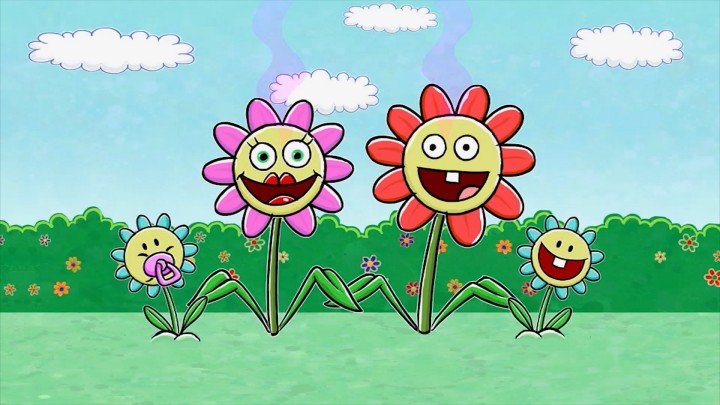
    Synopsis: Harrison discovers that plants are living things, and humans depend on them for survival not just for food and clothing, but also for the very air we breathe! Harrison investigates why flowers smell so nice and fruit tastes so good.

    My Great Challenge: Team Pine Tree and Team Maple race to see who sucks the most – water that is.

    In the Field: Harrison visits an organic farm to get the juice on grafting – naturally creating the strongest and best-tasting fruits and vegetables.

  • Habitat

    Habitat

    The Big Question: “Why is the world so important?”

    Synopsis: Without a habitat, neither plants, humans nor animals could survive. Why do worms come out when it’s wet? Why don’t dolphins live on land? How can fish breathe under water? Harrison finds out about the world we live in, and all of the little worlds within it!

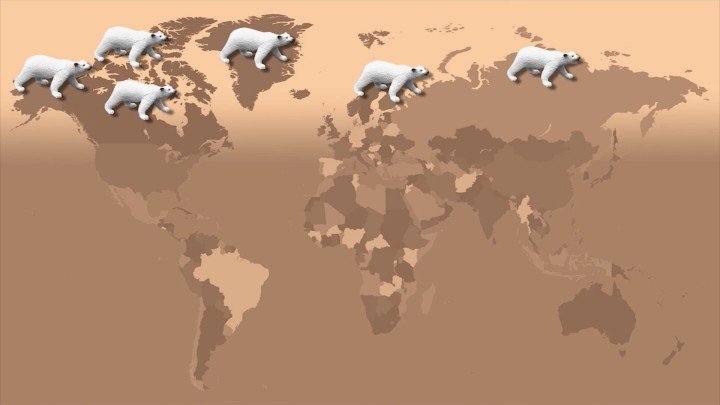
    My Great Challenge: Team Zebra and Team Polar Bear race against the clock to match animals with their proper habitat.

    In the Field: Harrison meets up a biologist, who introduces him to many types of habitats; from teensy ones on the leaf of a fern, to gigantic forest habitats, and how they’re all interconnected.

  • Garbage & Recycling

    Garbage & Recycling

    The Big Question: “What happens to stuff that goes in the trash?”

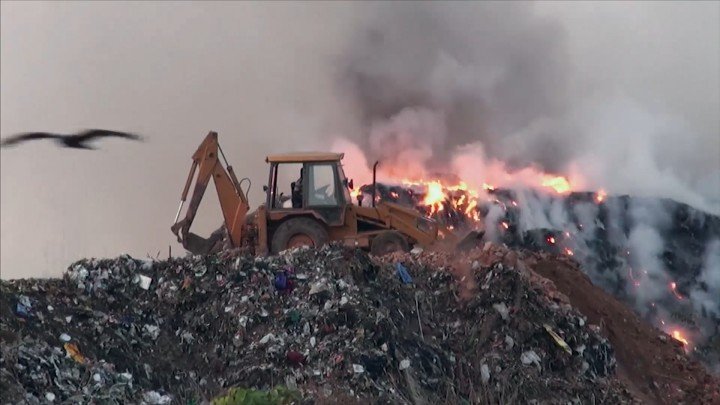
    Synopsis: Garbage is stinky and gross; but Harrison finds out that even smelly garbage can be useful, and that worms make great house pets, and why that tap water you’re drinking may have been in your toilet not that long ago!

    My Great Challenge: Challengers pick through the trash to figure out who lives in the household it came from.

    In the Field: Harrison gives up his old television set so that he can learn how a recycling center separates and uses each of its individual parts.

  • Senses: Sight

    Senses: Sight

    The Big Question: “Why do some spiders have eight eyes?”

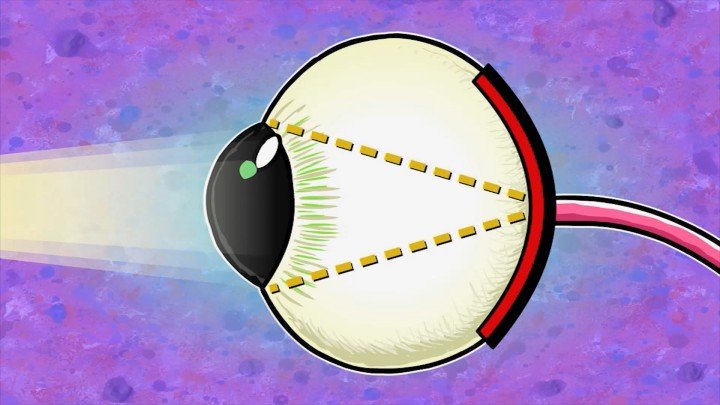
    Synopsis: How do we see? Why CAN’T we see some things? Why do cat’s eyes glow in the dark? Harrison sheds some light on one of our five most important senses: sight! He also learns that seeing more, doesn’t necessarily mean you can see well.

    My Great Challenge: Team Lion and Team Tiger search for camouflaged jelly beans.

    In the Field: Harrison visits 12-year old Tait in Calgary to learn how to have fun using your other senses, when you can’t see.

  • Teeth

    Teeth

    The Big Question: “Why are human teeth and animal teeth different?”

    Synopsis: Humans and animals have all different kinds of teeth because they eat all different kinds of things. Harrison finds out lots of new stuff about teeth, including why some are sharp and some are flat, why birds have beaks instead of teeth, and how overworked the poor Tooth Fairy is!

    My Great Challenge: Herbivore, carnivore or omnivore? Challengers guess if an animal is a meat eater, a plant eater or both based on their teeth.

    In the Field: Harrison visits his dentist, Dr. Cooperberg, to find out why taking care of his teeth is so important.

  • Sports

    Sports

    The Big Question: “How come in some sports we wear helmets and some we don’t?”

    Synopsis: Harrison takes an in-depth look at sports – from the precise designs of the various balls, to the specialty clothing, to the importance of practice. There’s a lot of science in sports; Harrison finds out how even cheering for your favourite team is good for you!

    My Great Challenge: Who has the fastest slap shot? Harrison uses a radar gun to find out which Challenger has the best wind-up!

    In the Field: Harrison tests his abilities to find out if he can throw like a professional pitcher, run faster than an Olympian and if he’s got what it takes to race in a wheelchair.

  • Oceans

    Oceans

    The Big Question: “Do sea monsters really exist?”

    Synopsis: Finding out how crucial the ocean is to our ecosystem, Harrison discovers that although monsters might get the attention, it’s the little things that count. For example, a tiny creature called phytoplankton creates half of the oxygen that we breathe. Using potatoes, a marine biologist helps Harrison figure out how fish drink!

    My Great Challenge: Harrison hosts a challenge for his guests to figure out how to make plasticine float… then, with musical accompaniment, he reveals the identity of “the monster in the sea”.

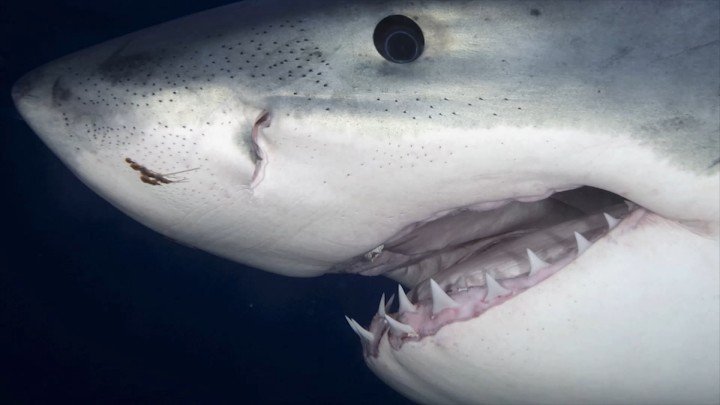
    In the Field: Harrison visits the shark tank of a sea aquarium to find out if it’s true that sharks die if they fall asleep.

  • Hair

    Hair

    The Big Question: “Why do we have hair?”

    Synopsis: In a search to learn about the origins of hair, Harrison finds out about the cultural implications of different hairstyles – from mohawks to baldness.

    My Great Challenge: Harrison’s guest challengers must identify different types of animals from close-ups of their fur.

    In the Field: Harrison visits a hairstylist and finds out why our hair turns grey and how amazingly strong it is. He also visits an anthropologist with a big skull collection who explains to him why the gradual loss of our primordial “fur” helped shape us into the type of animal that humans are today.