The Fairtrade scheme ensures a fair price for food producers in poor countries. This program explains the Fairtrade scheme, identifying how it benefits farmers in poorer countries and how the Fairtrade Organization invests in farming communities. Hear from members of one such community in St Lucia, as well as consumers and retailers of Fairtrade products. Students give their own views on Fairtrade and members of a Fairtrade Town in Britain are interviewed, before discussion concludes with consideration of potential disadvantages of, and the future for, the Fairtrade scheme.
Grade levels: Upper Elementary (4-6)
-
Multicellular Organisms and Their Nervous Systems
Multicellular organisms range from basic to highly complex forms. This engaging program explores the level of organization necessary for the structure and function of multicellular organisms including cells, tissues, organs and organ systems. It highlights the nervous system of multicellular organisms – both vertebrates and invertebrates – and features excellent dissections of a cane toad and a worm to illustrate the different forms and function of their nervous systems. The footage in the dissecting laboratory is particularly helpful in understanding structure and function of vertebrate and invertebrate nervous systems. This is a practical and information packed program made specifically for the modern classroom.
-
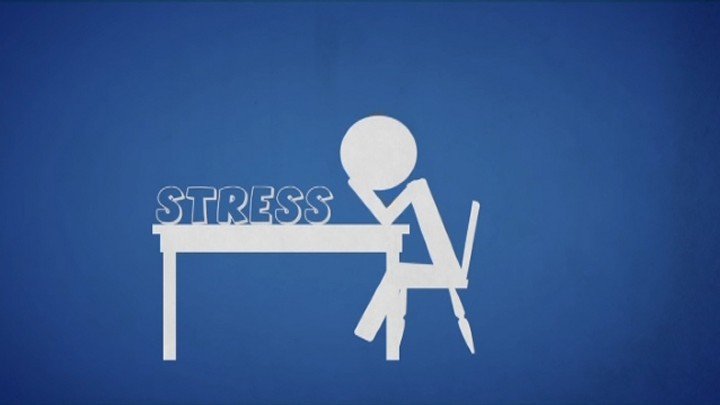
Mental Health: The Basics
A person’s overall mental health can be difficult to define. How we feel and the factors influencing our emotions and moods are explored in this upbeat, animation-driven program. Viewers will be introduced to the causes and symptoms of mental health issues, such as depression and anxiety, and the many ways in which people cope with these challenges. The concept of stigma is examined, including how we might change perspectives on those suffering from mental illness. This excellent program offers a perfect introduction to this complex area of personal well-being.
-
Girls and Bullying: Identify, Understand, Prevent
Bullying is the most frequently occurring form of violence in schools. Bullying by, and against, girls is as commonplace as it is among boys, but often takes different forms. Girls are usually less physical than boys – their bullying is far more commonly psychological and emotional. However, the effects can be seriously damaging – in the worst case scenarios leading to long-lasting depression, self-harm and even suicide. This program examines the nature of bullying, bullying directed at girls, its impact, why bullies behave the way they do and protective strategies for girls and bullying. It features renowned adolescent psychologist, Dr Michael Carr-Gregg, as well as dramatized scenarios and vox pops. This program makes a valuable resource to deliver some important messages about this serious issue.
-
The Coach
The role of the sports coach/leader is to allow effective skill acquisition as well as guiding individuals and groups to reach their goals in terms of performance and competition. Nearly all those involved in sport will find themselves in a coaching situation at some point during their career from informal grassroots level through to international and professional sport. This programme explores what the requirements are of an effective sports coach and how coaches can best bring about quality performances from their charges. The film also addresses issues within coaching such as child protection and risk assessment.
-
The Referee
This programme looks at the role of an official, different types of official and their assistants, the qualities of a good official, difficulties faced by officials, and how to become an umpire or referee. It contains interviews with Nigel Owens, a Rugby Union Referee, Natalie Anor, an International Men’s Rugby Referee, James Linnington a Premier League Football Referee, and Rory Weavers, one of the UK’s youngest gymnastics judges.
-
The Performer
This educational DVD learning resource looks at the factors that can affect an athlete or sports person’s performance. Exercise physiology is discussed, including training principles and methods, fitness testing, working intensities and the importance of warm-ups and cool-downs. Sports psychology including mental imagery, goal-setting and arousal are explored, and skill acquisition is considered in detail. The programme concludes by looking at how participants can plan for improvement in their performances through analysis, evaluation and strategizing.
-
In the Spirit of the Game
Winning is a great feeling, but there are other goals we set ourselves when playing sport. Fair play and good sporting behaviour help make the activity enjoyable for everyone involved. This documentary-style program will explore: what good sportsmanship is, codes of conduct for players, officials, coaches and spectators, being a team player, a good loser and winner, and resolving conflict, using practical examples. We talk with professional soccer player Mate Dugandzic, basketballer Daniel Dillon, rugby referee Natalie Amor, soccer referee Wilson Brown, and international rugby referee Nigel Owens. For middle secondary studies in physical and outdoor education, this production provides valuable advice regarding the benefits of teamwork, mutual respect, and taking personal and social responsibility.
-
Lifelong Physical Activity
The benefits of regular physical activity from a young age are highlighted in this energetic and informative program for lower secondary health and P.E. learners. Viewers will hear from Olympic rower Kim Crow and a number of amateur orienteers, as they discuss the physical, mental and social outcomes of physical activity. The positive and negative aspects of group and individual activities are explored, including barriers to participation and how people from different backgrounds can overcome these challenges. This program provides valuable practical knowledge and the perfect motivation for getting started with any type of physical activity.