Students of the French language are always interested in their fashion and cuisine. Perhaps no other two facets of French culture are more synonymous with the nation’s fame and greatness than the food and fashion industry, with the French being known as trendsetters of style, in clothing and cuisine for centuries. This Australian-made, curriculum fit program will enable you to bring French fashion and food into your classroom and add another dimension to the topic. In two distinct parts, it provides an engaging overview of French fashion and cuisine over the centuries, giving students a new perspective and appreciation of their cultural implications.
Grade levels: Upper Elementary (4-6)
-
Mining: From Exploration to Rehabilitation
Starting with a brief historical overview of mining, this comprehensive program takes us out of the classroom, into the field, and down the mines. We visit Victoria’s Stawell gold mine and meet experts from Rio Tinto, experiencing first-hand the processes and technology involved in modern mining operations. Following the mineral exploration flow chart, we discover how mining companies search for mineral deposits, explore the four most common types of modern mining operations, and explain of the froth flotation method of separating minerals from gangue. Finally, we examine the all-important process of land rehabilitation after the mine has closed.
-
Science in the Garage
From the moment we open the door and enter a familiar, everyday family garage, we begin a journey of discovery about forces and their effects. From the family car to the kid’s bikes and skateboards, we explore a range of forces at work. In this fun and accessible Australian-made, primary curriculum fit program, we learn that energy is transferred through pushes, pulls and collisions and that when forces act on objects energy transfers are occurring even if we can’t see them. We find examples of gravity, friction, propulsion, air resistance, attraction and repulsion all lurking around the garage.
-
Science in the Kitchen
This program will completely change the way you view the average family kitchen! Where you would have once just seen food in the fridge, you will now find solutions, suspensions, chemical reactions, melting, mixing and dissolving! ‘Science in the Kitchen’ transforms an average family kitchen into a chemistry laboratory, where our student ‘scientist’ conducts simple experiments using common ingredients. By linking to students’ prior knowledge and life experience, this Australian-made, primary curriculum fit program demonstrates, in a clear, practical and entertaining way, key scientific concepts that students often find confusing, including: states of matter, chemical and physical reactions, and scientific methods and procedures.
-
Cyberbullying – Identify, Understand, Prevent
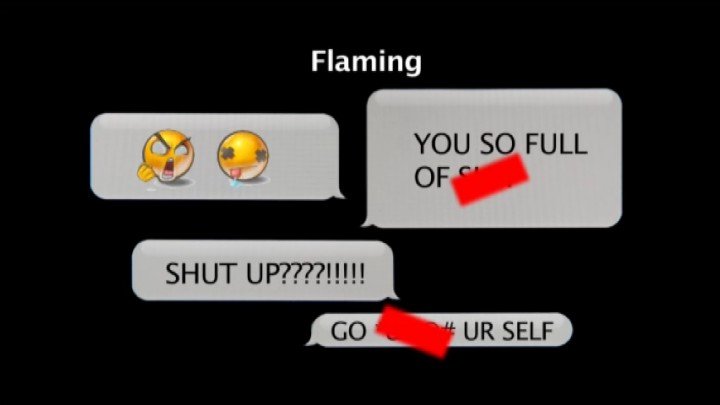
Bullying is no longer just a face-to-face exchange. The rapid rise of the internet and handheld devices has created another realm in which bullies are active. This striking, drama-led program focuses on the impact of cyber bullying and the steps victims can take to deal with it. The different forms of cyber bullying, such as masquerading, stalking and flaming, are shown in dramatic scenarios, along with the emotional and psychological consequences. A broad-ranging and highly-relevant insight into this growing trend, the program will appeal to viewers across multiple study areas.
-
Designing Menus for Healthy Diets
The ever-increasing pace of life for people of all ages means it is critical to plan for healthy eating accordingly. In this program, teenager Jesse takes us through a dramatised story of how, once again, his mother has to work back and puts him on a mission of preparing the dinner for that night, with the usual parting instruction: “….a ‘healthy’ dinner, Jesse….” Jesse, by his own admission, is just not one hundred per cent sure about what real healthy food is but he’s willing to find out. In following his story, the program covers areas including the function of food; understanding nutrients; today’s fast-paced society; designing menus; and different menus. We also hear from two professional dieticians, Melanie McGrice and Ingrid Hilton. In an engaging and thorough way, this program covers important areas about healthy and nutritious menu planning.
-
Does It Matter How Our Food is Produced?
Programme one in this UK-produced series asks why farming has changed over the past 100 years, looking at the impact of WWII, the introduction of the EU common agricultural policy and, more recently, the single payment scheme. Animal and crop farming are both considered, and conventional farming methods are contrasted with organic businesses. Environmental concerns are reflected upon throughout as farmers, a nutritionalist, a professor of veterinary science and celebrity chefs Chris and James Tanner offer answers to the question – does it matter how our food is produced?
-
Local or Imported Food
This program looks at where our food originates, examining what we can grow in the UK and when. The issue of ‘food miles’ is debated in terms of how it affects the planet, impacting on our food carbon footprint and influencing consumer decision-making. The emerging need for ‘food security’ is analyzed in the wake of increasing costs and depleting supplies, and interviews are given by a range of people involved in growing and consuming food, and making decisions about where our food comes from.