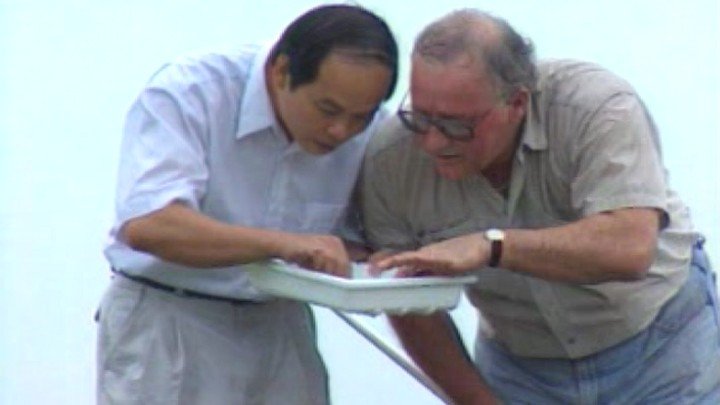
Topics include “Rebuilding Rabaul” (PNG) – after volcanic eruption; “Controlling river weed” (PNG) – on the Sepik River; “Combating dengue fever” (Vietnam) – mosquitoes are being eradicated; “Iodine deficiency project” (Vietnam) – Iodine supplements are being added to packets of salt.
Grade levels: Senior High (10-12)
-

Government in Canada SR
This best-selling video provides an excellent overview on the principles, history and structure of Canadian government. Topics include ideologies, the history of government, the Constitution, the structure of Parliament, making a law, elections, Parliamentary reform.
-
Graphic Products
A program to inspire and inform students about graphic products and design. The program uses 2 “best practice” case studies to illustrate different techniques and show how graphics can influence our perception of products and people. Case Study 1 – Album Cover Design. Made with the help of two of the UK’s best known CD cover designers, this case study follows the thought and work that goes into producing a new CD cover. It includes sources of inspiration and advanced printing techniques and shows how a CD cover not only influences sales, but can also be used to change a band’s image. Case Study 2 – Wetsuit Design. Explores how designers use color and shape to change perception of the shape of our bodies. Looks at the use of logos, new materials follows the production process.
-

Global Business
Over the past eight years world famous Swedish auto maker Volvo has gained a foothold in the South American market by establishing a major manufacturing plant in Brazil. The video explores: why Volvo sought to expand its global business by building its plant where it did, including geographical, operational, human resource and political considerations; how Volvo seeks to create a positive work environment for staff; environmental initiatives and objectives; community initiatives; the company’s contribution to Volvo’s global business; how the plant is managed. Appearing on camera is Volvo’s South American director Carlos Morassutti.
-

The Global Economy
This video investigates the operation of the global economy, in particular: the nature of the global economy and globalisation; trade and financial flows; free trade and protection; trading blocs and agreements – EU, NAFTA, APEC, ASEAN, CERTA; international organisations – WTO, IMF, World Bank.
-

Gene Technology – Part 1
The history of observations of Mendel to the discovery of DNA by Watson and Crick.
The function of DNA, chromosomes, genes and protein replication, and how research into genetics has led to the development of gene technology. How bacteria are engineered to mass-produce substances like insulin. Cloning and the importance of the human genome project. -
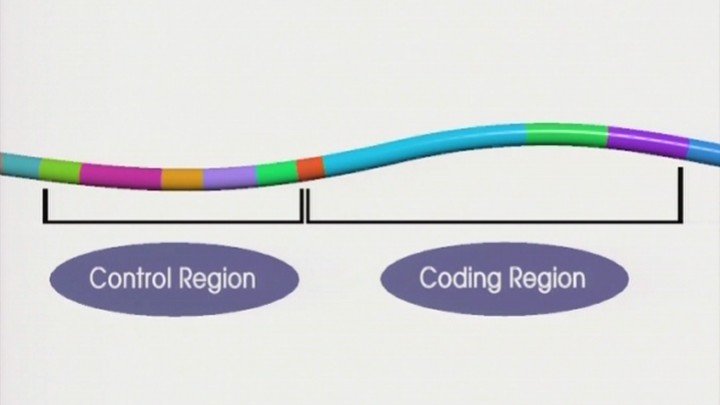
Gene Technology in Agriculture
Topics include specific technologies designed to improve potatoes & tomatoes; the issue of genetically modified food; environmental risk and labeling; how scientists have improved sheep wool through gene technology.
-
Gene Tech Tapes – Pt 4
Featuring leading international ethicists and scientists, this compilation of interviews canvases key ethical issues in the controversial world of new genetic technologies. Topics include understanding the human genome; science ethics and the law; genetic testing, information and discrimination; “Building” Life Forms.
-

F.A.P. – Skill Acquisition Part 2
Following on from Part 1, this program covers more on: The Learning Environment; Knowledge of Feedback, Knowledge of performance and Knowledge of results; Stages of Skill Acquisition; and the various Learning Curves. Features coaches from team sports and individual sports offering their practical perspectives.
-

F.A.P. – Training
To be effective, fitness training should prepare the athlete for the demands that are placed on them in their chosen sport or activity. This means selecting the right types of training and following established training principles. This video examines aerobic and strength (resistance) training, and uses these types of training to help illustrate the following principles: specificity, progressive overload (incorporating FITT), threshold, warm-up/cool down, reversibility, variety, and assessment