We look at a range of plants from the small to the large, the primitive to the modern and explore the following plant processes: energy, breathing, the root system, reproduction.
Grade levels: Senior High (10-12)
-
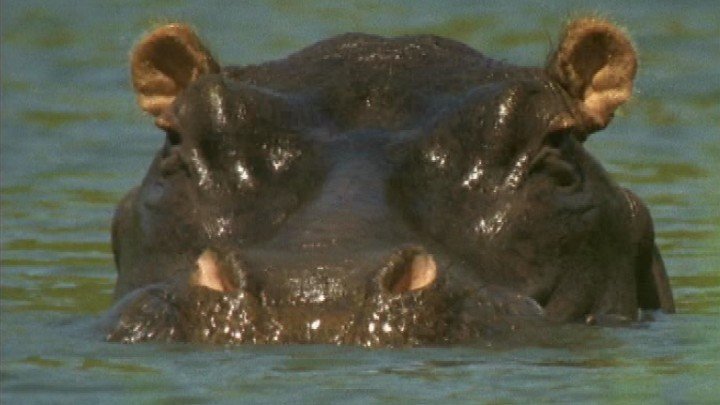
Hippopotamuses and their Environment
A day in the life of some hippopotamuses in the Queen Elizabeth National Park, in western Uganda. Hippopotamuses are vegetarians, and eat on land, during the night. In the daytime, they spend most of their time in the water, for protection from predators and the heat. The hippos also provide the cornerstone of the local eco-system.
-

The Hippolytus of Euripides
A companion play to “Oedipus the King”, this video presents the classic tale of father/son jealousy and divine challenge in a traditional Greek format that is easily accessible to the viewer. The video is accompanied by a booklet containing a very detailed introduction & text.
-
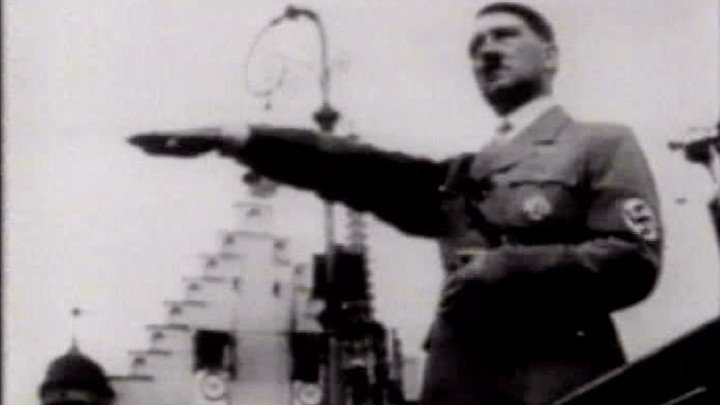
Life under Adolf Hitler
In Germany between 1933 and 1945, every aspect of life was influenced or affected in some way by Adolf Hitler and his Nazi Party. In some cases, this worked for the betterment of the average German – ordering economic effort, stimulating industry, creating employment, improving standards of living, and re-igniting a sense of pride in the nation. In other cases totalitarian control directed the nation down paths which had an opposite effect. Through the use of rare historical footage from archives around the world, this video succinctly portrays the essential nature of life under Adolf Hitler, in all its major guises.
-

Hitting the Ball
What does it take to hit the ball? What are the biomechanics of hitting the ball better? What do sports like tennis and cricket have in common? Covered in this video are sports ranging from Baseball, Golf, Cricket, Softball, Tennis, Squash and Table Tennis. Explained in this video are the biomechanical ingredients for hitting the ball. Topics include stance and footwork; eye-hand coordination; form and weight transfer; strength and power generation; timing and anticipation; flight of the ball, bounce and spin; spinning the ball; backhands; physics of the ‘sweet spot’. Featuring some of the top junior athletes in sports such as tennis, cricket and squash.
-
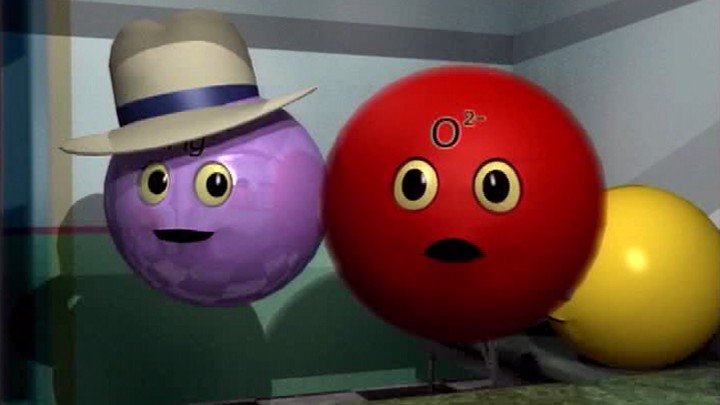
Holding Electrons
The attraction of each electron in an atom is unique. This is due to the charge on the nucleus, the distance and repulsion by other electrons.
IONIZATION ENERGY. The work required to remove an electron for an atom. No two electrons in an atom have the same value. This increases at certain stages leading to the energy shell model of the atom. ELECTRO NEGATIVITY. This is the number describing a particle’s ability to retain an electron in a chemical reaction. It describes and predicts the degree of polarity of a chemical bond. ACTIVITY SERIES. The ability of atoms to hold onto their electrons is also expressed in the activity series of the elements. The concepts of electron transfer and voltage production in cells are explored at their simplest levels. -

Gravity – History of ideas
Follow the path of the ancient Greeks, Renaissance Europeans and British in their search for an understanding of the properties of the universe. From the simple versions of Geocentric models to the more complex versions offered by Ptolemy, the early version of Heliocentric model to the more modern version. This video uses stage actors and animation to illustrate the conception and progression of the models of the following philosophers: Plato, Eudoxus, Aristotle, Aristarchus, Ptolemy, Copernicus, Tycho Brahe, Kepler, Galileo, and Newton.
-
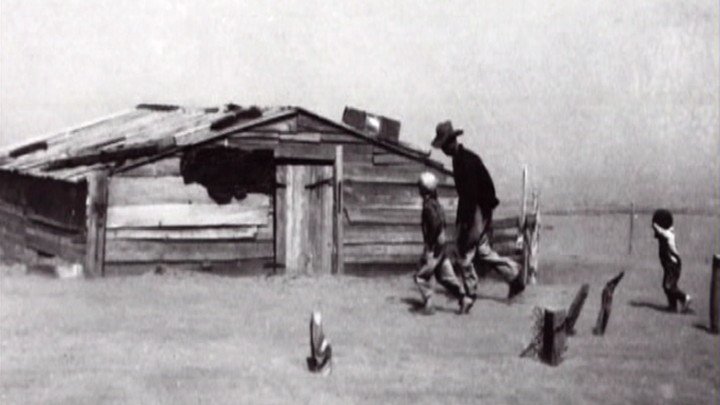
The Great Depression-Part 1
The Great Depression had its roots in the First World War. This video examines the efforts of various countries, including the USA, Canada, Australia, and several in Europe, to make the transition from war economies to more normal market conditions. It covers the post-war boom in manufacturing and wheat production in the USA and Canada; the prosperous “Roaring Twenties”; the effects of severe drought conditions in North America; and the economic, agricultural, and societal conditions that led to the “Crash of ’29”. The program uses archival film and images to clearly depict the struggle of ordinary people to survive. It concludes with the election of Franklin Delano Roosevelt in the U.S. and his goal of returning confidence to the American people.
-
The Great Depression-Part 2
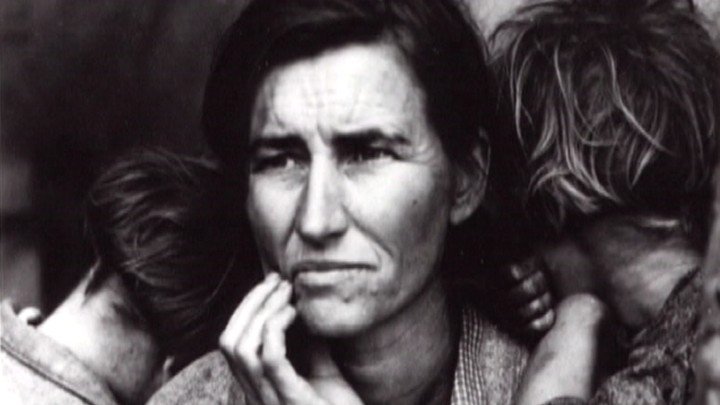
This second program concludes the Great Depression story. It begins with the “Gold Standard”, its influence on world trade, and explains the circular flow of a healthy economy. FDR’s “New Deal” in the USA is covered extensively, as is the establishment of work camps in Canada and the ensuing “On-to-Ottawa Trek”. As countries all over the world tried to protect their domestic markets, they placed high tariffs on imported goods; the video shows that this had the effect of worsening the depression by bringing stagnation to world trade. The effect of the Peace Treaty of Versailles on Germany is explained in the story of Germany’s build-up to the Second World War. The video concludes with Japan’s military expansion and the USA’s entry into the war.
-
The Great Depression – Boom and Bust in America
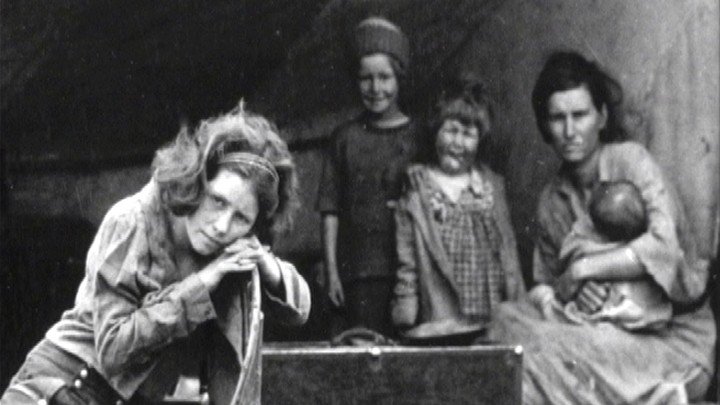
This video presents the experience of the USA prior to and during the Great Depression. It begins with America’s recovery from WWI, converting its wartime assembly lines to the manufacture of consumer goods. The “Roaring Twenties” are explained, as well as the circumstances leading to the ‘Crash” at the New York Stock Exchange on October 29th, 1929. As the economy collapsed, so did businesses, banks, and farms, all of it made worse by the drought conditions of the “Dust Bowl”. Archival imagery clearly depicts the struggle of ordinary people to survive: farmers and their families migrating westward, soup lines in the cities, the Bonus March. FDR’s “New Deal” is covered extensively. The video ends with the rise of Hitler, the military expansion of Japan, and the USA’s entry into WWII.