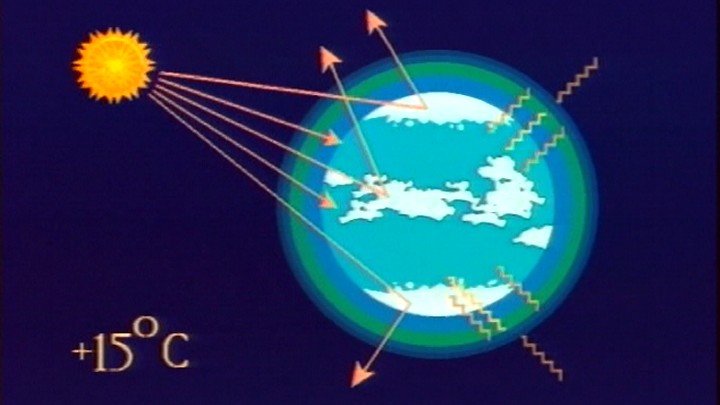
An excellent example of the scientific process. Topics include observation of the past temperatures of the earth (using oxygen isotopes in ice cores) and the present quantity of greenhouse gases; construction of a computer model of the greenhouse effect with such variables as clouds, cities and plants; testing the model by using data from the past to predict present conditions.
Grade levels: Senior High (10-12)
-

Hamlet – Stage Scenes
This program shows 2 different versions of key scenes from Hamlet being performed by Damien Ryan and Bernadette Millar as directed by respected theatre director, Shakespeare Scholar David Ritchie. This program complements Shakespeare: Breathing Life into Text, but is also useful as a stand alone program for students of Drama. The key scenes performed are Act III Scene i and Act III Scene iv, or more commonly referred to as the “Get thee to a nunnery scene” and the “Gertrude’s closet scene”. In both scenes, David Ritchie presents, a standard version, but also an adventurous interpretation of the text. An excellent program for students of Drama as well as students of Shakespeare texts.
-
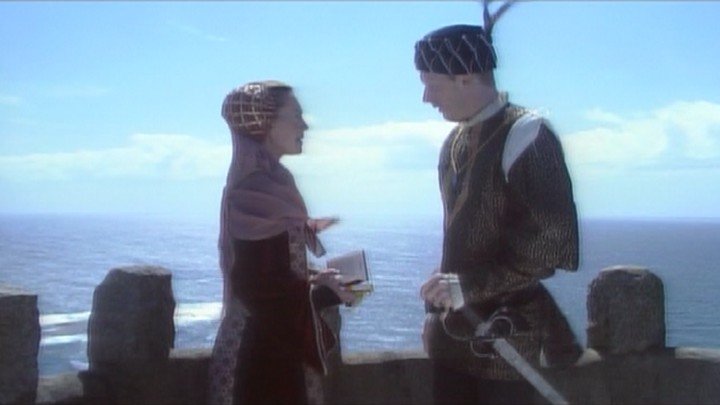
Hamlet – Film and Stage Scenes
This Performance Tape shows 2 different directors in 2 different medias, working with 2 key scenes each of Shakespeare’s Hamlet. The scenes are played out in full. The key scenes performed are Act III Scene i and Act III Scene iv, or more commonly referred to as the “Get thee to a nunnery scene” and the “Gertrude’s closet scene”. In both versions, the same actors are used by 2 different directors working with the same text, but with different ends. The video demonstrates clearly the different disciplines of Theatre directing and Film directing. This video makes for a unique and compelling viewing, not just for students of Drama and Shakespeare but also for students of Media production.
-

Handheld Power Tools – Part One
These videos (Parts 1 & 2) illustrate and explain various handheld power tools one would find in a typical school workshop. Their segmented style allows for the full explanation of one tool before moving on to another. This also allows the shop teacher to use only a segment at a time, if desired, to illustrate one specific tool. The power tools shown in Part One include circular saws, jigsaws, and reciprocating saws. As well, proper safety procedures are followed during the operation of each tool. Care is taken to include different applications, such as the use of jigs and the benefits of various blades. An excellent introductory video for any school workshop.
-

Handheld Power Tools – Part Two
Part Two focuses on power drills, screwdrivers, hammer drills, routers, and sanders. Special sections on safety, with emphasis on the appropriate use of power extension cords and harmful noise levels are included. Proper safety procedures are followed during the operation of each tool and the use of jigs, various cutting bits and grades of abrasives are covered.
-
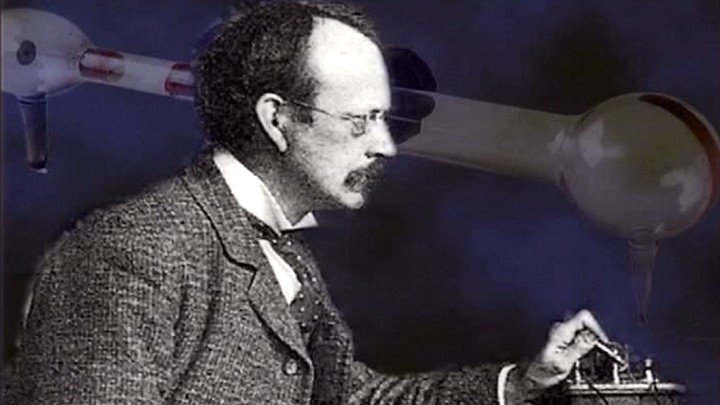
History of the Atom Part Two
Some of the key experiments performed between 1870 and 1940 which established the structure of the atom. Cathode ray tubes, canal rays, mass spectrometer, Thompson’s plum pudding model, Rutherford’s gold foil experiment, the Bohr model and the orbitals and quantum mechanical model.
-
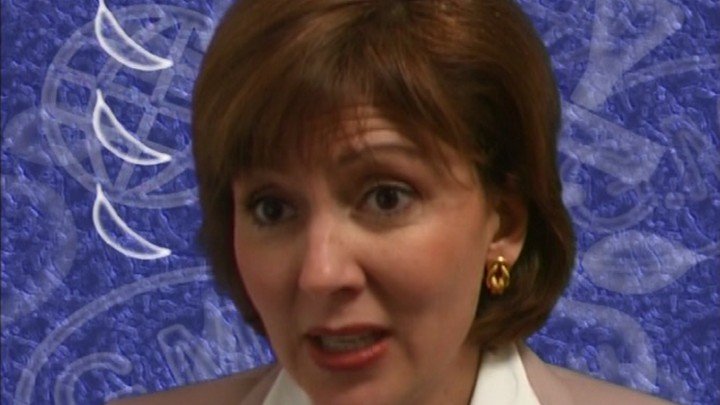
Gene Tech Tapes – Pt 5
Featuring leading international ethicists and scientists, this compilation of interviews canvases key ethical issues in the controversial world of new agricultural genetic technologies. Topics include the question of regulation; genetic foods are needed to help feed the world; should we label genetically modified foods; risks to health and environment.
-
History of the Atom
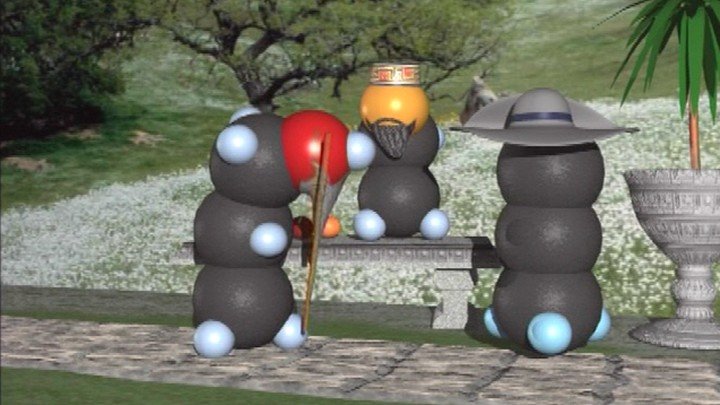
North American Version. The crazy atoms put on a pantomime, telling the history of Atomic Theory from their point of view! A fully animated program with lots of information about such people as: Leucippus, Empedocles, Aristotle, Epicurus, Gassendi, Boyle, Newton, Priestly, Lavoisier, and Dalton.
-
Exploring Genres
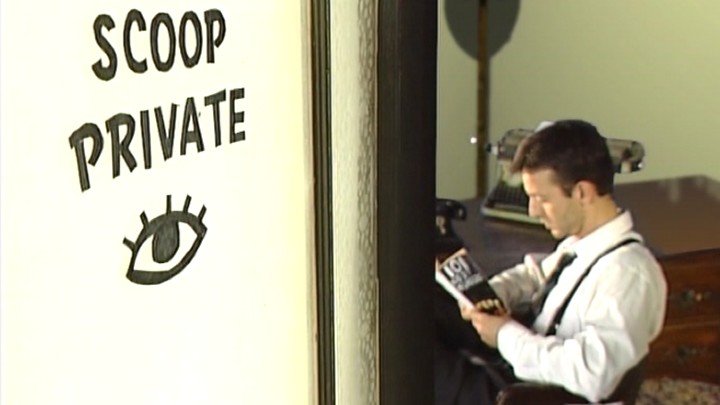
An imaginative and entertaining resource to help students understand genre and the different components of genre. When Scoop, an out-dated whodunit character from the 1940s loses his genre, he journeys through several different genres including a fairy tale, science-fiction, gothic, adventure, rap, and romance. This video explores: why do writers choose different genres; what are the components of each genre; setting; characters; style; and story-line.
-
Glaciers and Glaciation
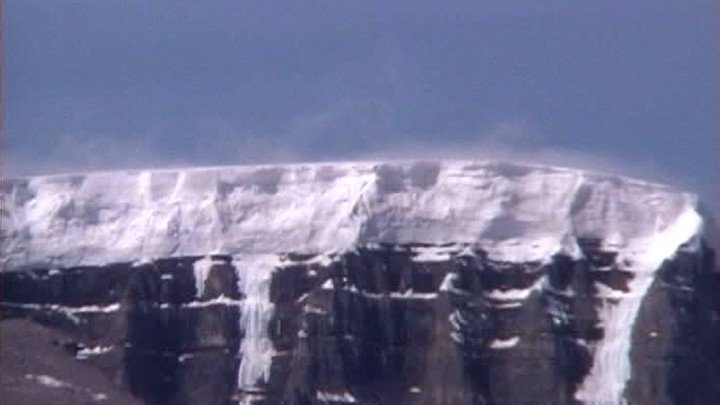
North American Version. Development and characteristics of glaciers in different stages, including their movement, their effect on mountain features and landforms, and their advancement and retreat. The water, or hydrologic cycle is reviewed in terms of its importance to the buildup of ice and snow during periods of global cooling. Some concepts and landforms are illustrated through demonstrations and computer imagery.