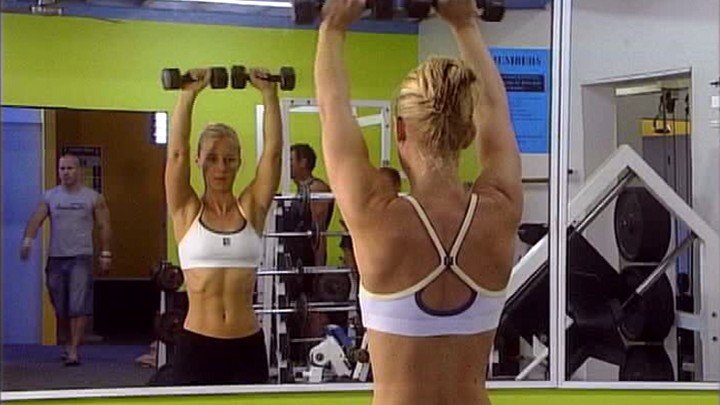
To be effective, fitness training should prepare the athlete for the demands that are placed on them in their chosen sport or activity. This means selecting the right types of training and following established training principles. This video examines aerobic and strength (resistance) training, and uses these types of training to help illustrate the following principles: specificity, progressive overload (incorporating FITT), threshold, warm-up/cool down, reversibility, variety, and assessment
Subjects: Sports
-
F.A.P. – Energy Systems
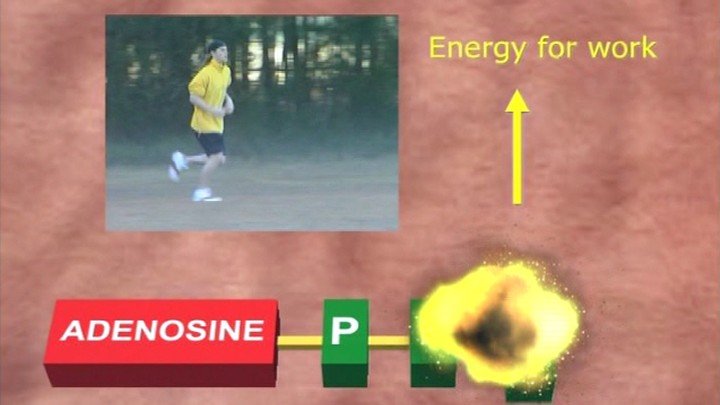
In every active sport, an athlete’s ability to meet their energy requirements has a major impact on performance. Our working muscles get their energy from the breakdown of ATP. The anaerobic and aerobic energy systems provide energy for the resynthesis of ATP. This video explains these processes, and identifies the key features of the different energy systems. Various sports are used to illustrate the way the energy systems are used under different conditions.
-
Throwing Patterns With Paddles
Students learn the foot positions, body weight, and release for underhand throwing. Learn paddle use, safety, and the forehand and backhand swings with the paddle. You and your students are taken through this step-by-step tutorial that will reinforce basic skills and build a foundation for new skills.
-
Underhand Throwing Skills
Features a variety of exercises that enable children to throw underhand: ball bonding (making the ball your friend), drop and catch, making a “bowl,” toss, figure 8, angel or rainbow, juggling, and dribbling.
-
By Any Means Necessary: Ergogenic Aids
“In recent years sport has been revolutionized into a multi-billion dollar industry. In this program we investigate the substances, techniques and equipment that athletes have used throughout history, and are using today, to enhance their sporting performance. Intended for use as a general introduction to the full spectrum of ergogenic aids in modern sport, this program covers: nutrition, training, and traditional ergogenic aids, pharmacological aids and the issues of drugs in sport, the rise of physiological aids, sports psychology, the impact of sports equipment, clothing and other (bio)mechanical ergogenics, issues of ‘fair play’, and ergogenic aids of the future.”
-
Biomechanics
The human body performs a large range of movements every day. Elite sports people perform even more complex movements in the most efficient ways possible with the input from sports scientists known as biomechanists. Biomechanics is the study of how the physical laws of mechanics apply to human movement. This program clearly investigates the basic concepts of movement and applies these to human performance. The program provides strong links with the associated areas of: Velocity, Force, Inertia, Moment of Inertia, Acceleration, Momentum; Conservation of Momentum; Summation of Momentum, Impulse, Elasticity, Accuracy and Flattening the arc, Friction, Levers, Types of motion, Torque, Flight Trajectory, Spin and Balance and Stability.
-
Acquiring Skills: How People Develop Skills
People perform skills every day – ranging from simple tasks such as walking (although this is not simple for a 10 month old child?) through to much more complex skills such as gymnastics routines. Elite sportspeople perform complex tasks repeatedly and with high success rates whilst beginners start off with basic movements and make many mistakes. Skill Acquisition is the study of how people develop skills and become successful performers. This program clearly investigates the basic concepts of acquiring skills and information processing and applies these to human performance.