In our final episode Dagmar Midcap leads us through what to do in a boating emergency. We look at radio procedures for Pan-Pan and Mayday and the use of Channel 16. We have a demonstration of the types of Marine Flares and how to use them. As well there is discussion about Hypothermia, Cold Water Shock and Carbon Monoxide Poisoning.
Subjects: Sports
-
Unpowered Small Pleasure Craft
This is the first episode in the series and host Dagmar Midcap deals with safety requirements for small, unpowered pleasure craft with a special focus on canoes and kayaks. There is an in-depth look at the PFD (personal floatation device), an explanation of wind speed classifications and a segment on the Lateral Buoyage system and Port and Starboard navigation markers.
-
Personal Watercraft
In the second program the focus is on the safe operation of Personal Water Craft (PWC’s). Host Dagmar Midcap discusses the safety equipment required for these vessels as well as the rules for their operation. In our Aids to Navigation segment the focus is on Day Beacons.
-
Small Powered Pleasure Craft
In this episode Dagmar looks at everything you need to know about the safe operation of not-quite-yachts; otherwise known as small powered pleasure craft not over six meters in length. There is a feature segment on Marine Weather information and additional segments on sail plans and the work done by the Canadian Coast Guard Auxiliary and the Canadian Power and Sail Squadrons. The focus in the Aids to Navigation segment is the Cardinal Buoy system.
-
Powered Pleasure Craft 6-12 Metres
Program Four looks at the safety requirements of two classes of water craft – vessels 6-8 meters and vessels 8-12 meters. There is a feature segment on the work done by the Canadian Hydrographic Service who produce some of the best marine charts created anywhere in the world. As well, there is a segment on fueling procedures. Landmarks and Range Markers are the topic in this episode’s Aids to Navigation segment.
-
F.A.P. – Psychological Factors
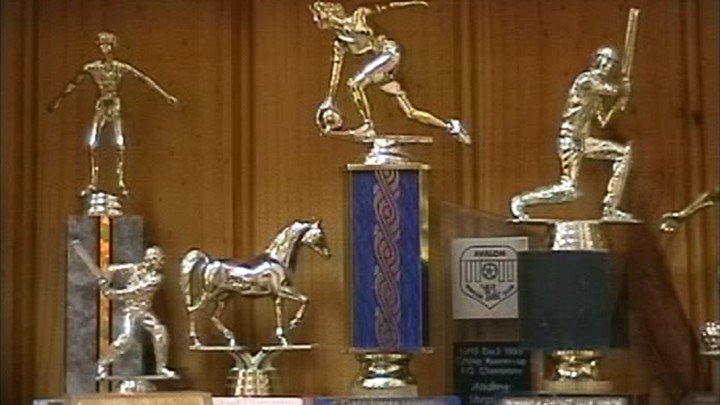
The things that go on in an athlete’s mind can greatly affect their physical performance. Two of the key psychological factors affecting performance are the athlete’s motivation and their ability to manage their level of anxiety and arousal. These factors are examined in detail under the following headings: Motivation – intrinsic and extrinsic motivation; positive and negative motivation; reinforcement: social, material and internal. Anxiety, arousal and the inverted u hypothesis. Managing anxiety – concentration skills; mental rehearsal; visualisation; relaxation; goal setting.
-
Soccer Skills
Topics include warm-up techniques; passing; dribbling; juggling; trapping; shooting; training drills. These skills are taught by Dusan Purac, who is a former European professional. His students include world superstars Zvonimir Boban and Dejan Savicevic”Dusan Purac is a top technician who has successfully trained many young footballers. He does a lot for the development of football … and we appreciate his commitment. Walter Gagg, Head of Technical Department, FIFA.
-

Hitting the Ball
What does it take to hit the ball? What are the biomechanics of hitting the ball better? What do sports like tennis and cricket have in common? Covered in this video are sports ranging from Baseball, Golf, Cricket, Softball, Tennis, Squash and Table Tennis. Explained in this video are the biomechanical ingredients for hitting the ball. Topics include stance and footwork; eye-hand coordination; form and weight transfer; strength and power generation; timing and anticipation; flight of the ball, bounce and spin; spinning the ball; backhands; physics of the ‘sweet spot’. Featuring some of the top junior athletes in sports such as tennis, cricket and squash.
-
F.A.P. – Skill Acquisition Part 1
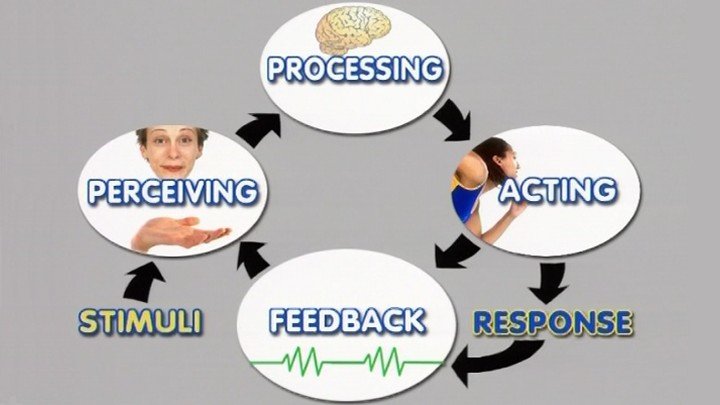
An in-depth look at how skills are acquired by athletes; Discussions on the Definition of skill; the learning cycle of skill acquisition and what each stage means for the learner; A breakdown of the various characteristics of the learner, such as age, motivation, fitness levels, confidence, environmental factors and ability.
-
F.A.P. – Skill Acquisition Part 2
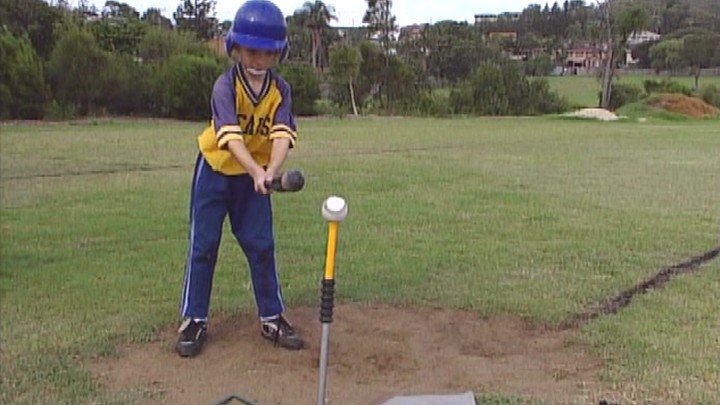
Following on from Part 1, this program covers more on: The Learning Environment; Knowledge of Feedback, Knowledge of performance and Knowledge of results; Stages of Skill Acquisition; and the various Learning Curves. Features coaches from team sports and individual sports offering their practical perspectives.