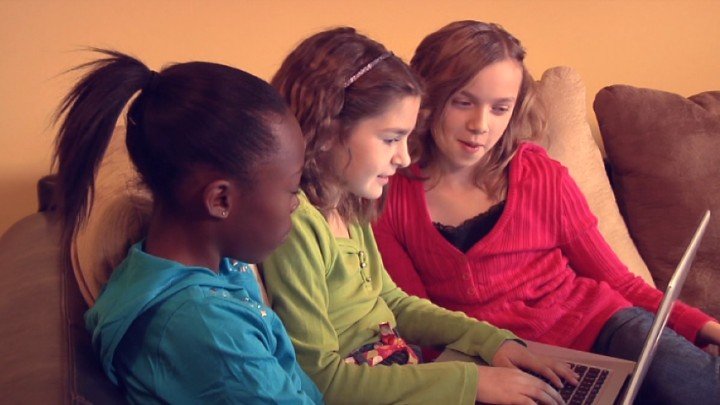
It’s important to do things that make you feel comfortable and safe; sometimes that means having to say no. When you do you’ll feel better about yourself, it’s called pride. Young students are taught to say no with confidence and stand firm. They don’t have to compromise with someone creating an unsafe situation. When you feel like you or someone you know is in danger, it’s important to say no and give your reasons for saying no. If necessary, get an adult to help. Even if you say yes at first it’s never to late to change your mind.
Subjects: Safety
-
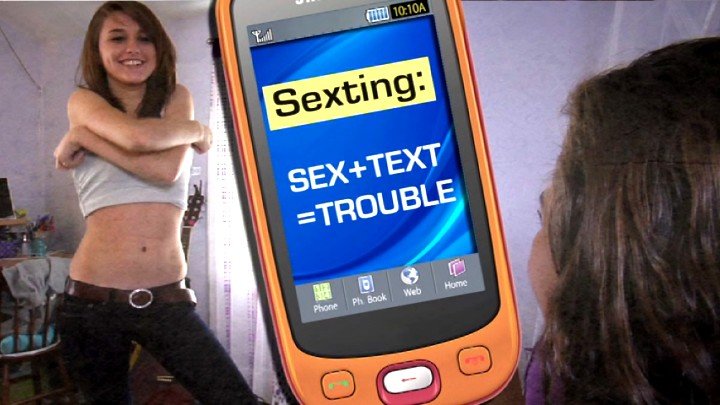
Sexting: Sex + Text = Trouble
Sexting is a combination of sex and text messaging. Junior High and High School students demonstrate the threat of sexted sexually explicit or suggestive photographs, messages and videos. Real life scenarios are presented along with the resulting consequences affecting a teenagers personal, social and future life. Follow students through a variety of sexting situations stemming from careless fun to cyberbullying along with their painful effects.
-
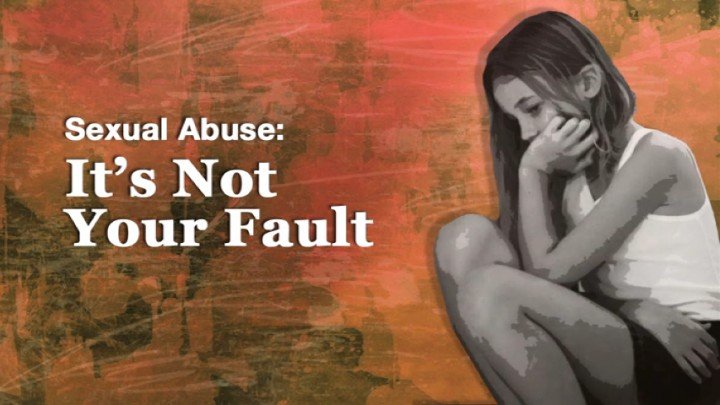
Sexual Abuse: It’s Not Your Fault
Elementary aged students present real-life scenarios of sexual abuse and the resulting emotional impact. Follow the children from the beginning to end to identify what sexual harassment is, how to handle this serious issue and establish available age-appropriate solutions.
-
Martha Speaks: Martha Goes to School
Martha Goes to School – TD thinks it would be funny to put Martha’s name on the list for substitute teachers. TD and the Light Bulb of Doom – TD panics after he leaves his school project to the last minute. Truman’s Secret – Where has Truman been hiding and why is he acting so weird? [bad haircut]. Skits Monkeys Around – Skits loves Malcolm (TV’s blue monkey) so much he wants to be Malcolm. Ain’t Nothin’ but a Pound Dog, part 1 – Martha loses her collar and winds up in the animal shelter. Ain’t Nothin’ but a Pound Dog, part 2 – Martha decides she can’t leave her shelter friends behind. What’s Bothering Bob? – What’s gotten into Bob? He’s off his chain and chasing Truman all over town. Martha Spins a Tale – Martha tells Jake the story of Goldi-Martha, the Skits Hatter and Little Red Riding Helen.
-
Safety in the Senior Science Lab
In every classroom in every school, everyone has the right to a safe learning environment. Science laboratories present a whole range of potential hazards to people’s health and well-being, and it is critical that both teachers and students are fully aware of their responsibilities to ensure the learning environment is kept safe at all times. Everyone’s behaviour must be such that danger is minimized – both to themselves and others. After a few years performing experiments in the school lab, it is easy to forget that science laboratories can be dangerous places. Unfortunately, accidents can and do occur. The most common ones are fire, chemical and thermal burns, cuts from broken glass, absorption of toxic chemicals through the skin, and inhalation of toxic fumes. Some of these accidents result in permanent injury. Awareness and preventative action are therefore paramount to maintaining a safe environment. This program is aimed at students who are not new to science laboratories. It covers a range of safety areas, including general safety in science laboratories and specific areas of potential risk in chemistry, biology and physics labs. It is an ideal learning resource for students of this level to remind them of the ever-present need to act with safety foremost in mind at all times during science classes.
-
Preventing Falls in Aged Care
Although falls can happen to anyone of any age group, they are undoubtedly more common in the elderly population. While risk factors for falls tend to increase as we age, in most cases they are easily avoidable. Considering the serious impacts of injury or morbidity, more must be done to identify risk and implement preventative strategies. The causes of falls being multi-factorial in nature, calls for an approach which encompasses accurate identification and effective management. Falls prevention programs play a valuable role and an understanding of what this comprises is crucial if we are to tackle this increasing problem.
-
OH & S on a Film Set
Working on a film set can be dangerous. The diversity of many different locations, equipment and roles can create a complex working environment. Using a filmset as a real-life industry example, this program investigates the importance of occupational health and safety (OH&S) when working in the media industry. We discuss safety plans, risk management, managing OH&S, and the importance of following safety procedures, all of which apply to all working environments. Learning how best to implement OH&S strategies can limit the amount of injuries in the workplace, helping to make it safe and enjoyable for everyone.
-
Safety First: OH&S in the Office
Many Americans spend a large portion of their working lives in an office. Although most of us wouldn’t consider this a workplace of high risk, we must not assume that safety in an office is a given. In this program we’ll consider the reasons for conducting work safely, and look at how to implement workplace safety requirements. We’ll also talk about participating in the OH&S consultative process and following safety procedures. Occupational health and safety is everybody’s responsibility, not just the employer’s. Employees can and should take a hands-on approach to improving the safety of their workplace.
-
Health and Safety Issues in ICT
In the brief time that computers have been an essential tool at work and increasingly at home. Several health problems have emerged. Repetitive strains, back pain and eye strain, problems related to lack of exercise and reduced inter-personal communication, anti-social behavior and bullying. This program shows healthy ways to use computers (including laptops) and exercises which help prevent problems developing as well as security tools that protect the individual.
-
Table saw
The use of power tools in school settings requires clear and concise instruction in their operation as well as constant vigilance by instructors. This comprehensive video illustrates the proper and safe use of the table saw in a clear and entertaining style. Many aspects of safety are dealt with: the use of goggles and face shields, removal of jewelry, the cleanliness of the environment, the use of guards and clearance blocks, and much more. Procedures are seen in detail, such as the changing of saw blades, the setting up of the fence, riving knife and anti-kickback fingers, and the use of assistants when cutting large pieces. Proper use of accessories is included, such as the miter gauge, miter table and dado blades, and the selection of appropriate wood stock is represented.