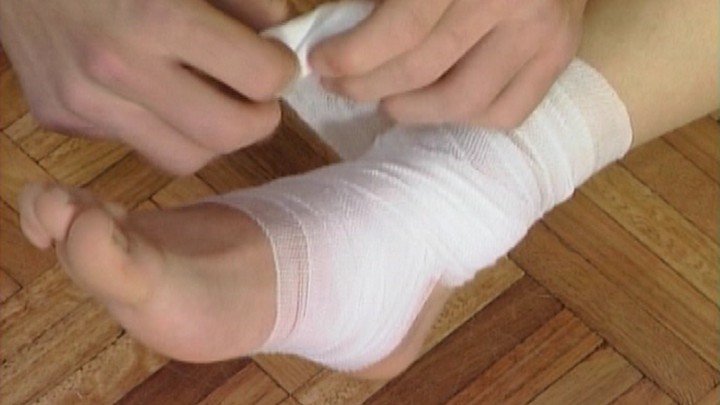
This video shows how to manage both life-threatening, and less serious (but more common) injuries that may be encountered in sport.
Particular emphasis is placed on the DRABC action plan, including Expired Air Resuscitation (EAR) and Cardiopulmonary Resuscitation (CPR) for use in an emergency situation. The RICE plan for management of less-serious injuries and prevention of sporting injuries.
Subjects: Safety
-
First Aid
-
Depth of Field – Films About Farming – Klippers Organic Acres
Klippers Organic Acres provides organic produce to customers
-
School Violence: You Can Help Prevent It!
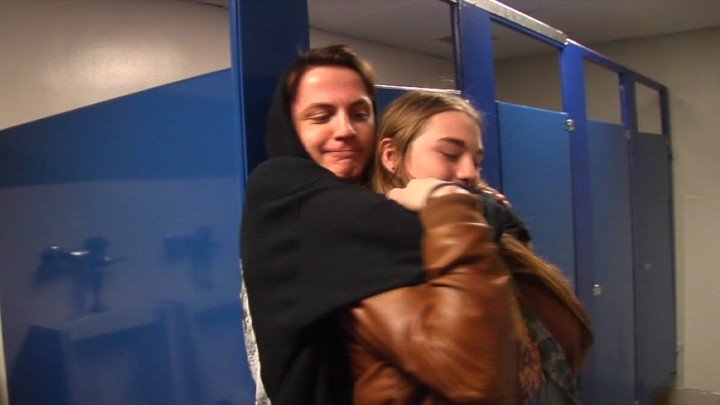
Violence is anything that hurts a person physically or emotionally. School violence refers to any act of violence that occurs within a school community. Both “threats of violence” and physical “acts of violence” create an unsettling and unsafe environment for everyone in a school community. Why does it happen? How can school violence be prevented? This program explores answers to those questions and seeks to help students understand the important role they play in preventing school violence. Through live-action, true-to-life scenarios viewers will learn to identify potential problem behaviors and warning signs that can typically lead to violence. Viewers will recognize that an important way they can prevent school violence has to do with simply being aware of the people around you and being able to spot something that isn’t quite right before it escalates. Students will come to understand the difference between a direct and indirect threat and how context of the threat determines how threats should be handled. In addition, students will learn to identify behaviors that may be warning signs to potential violent actions and that whenever they feel threatened or unsafe that they have an obligation to report the incident to trusted adult within the school community.
-
You Can Keep Yourself Safe: Touching Safety & Stranger Safety
Through age-appropriate vignettes students will learn the difference between a safe and an unsafe touch. Students will come to understand that any touch whether it’s a high-five, a hand shake, a kick, a fist bump, a punch or a kiss can be labeled safe or unsafe depending on the situation and whether or not someone agrees to the touch. The video reinforces the message that only YOU can decide if it’s a safe touch or an unsafe touch and that YOU set the boundaries. Viewers will also come to know about “private parts” of the body and that nobody should ever touch your “private parts” with a few exceptions.
-
Stranger Danger Awareness: The 5 Traps
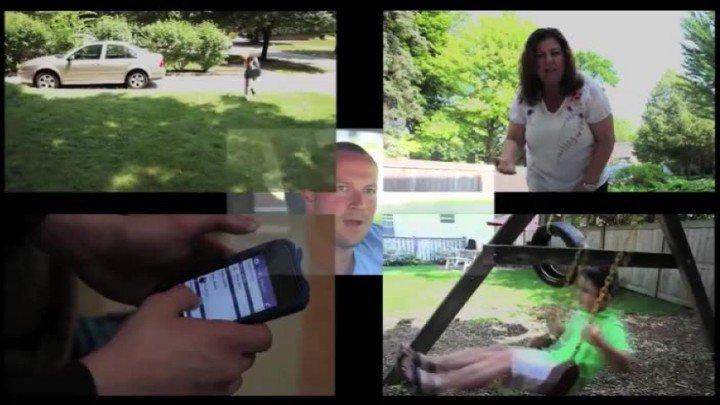
This comprehensive stranger danger program shows young viewers how to avoid five common traps ‘bad strangers’ use through a series of dramatic vignettes, and shows them how the strangers they encounter everyday on their way to and from school, in stores, and out in cyberspace can be dangerous regardless of their appearance. Students also learn how to avoid potentially dangerous situations with people they don’t know or ‘kinda know’ through this memorable look at the pet trap, the car trap, the authority trap, the playmate trap, and the technology trap.
-
First Aid Emergencies: Communites
Accidents and injuries occur without warning. This program provides a rundown of the issues involved, and the main types of injuries that occur in the community and how they should be treated. It includes what to do in an emergency, legal and moral aspects of first aid, fractures, dislocations, strains and sprains, neck, head and spinal injuries, hypothermia and hyperthermia, and CPR (cardio-pulmonary resuscitation) – (both hands-only, and hand and mouth procedures). With clear verbal and visual information, it portrays some typical scenarios in public places where immediate first aid intervention is required and demonstrating the correct ways to administer relevant procedures.
-
First Aid Emergencies: Home
A vast number of accidents resulting in injury occur in and around the home. This program provides an explanation of the main types of injuries that occur in the home and how they should be treated. It includes what to do in an emergency, an outline and demonstration of the DRABCD procedure, dealing with burns, scalds and electrocution, cuts, laceration and bleeding, poisoning and overdose, asthma, allergies and anaphylaxis, and heart attack, stroke, diabetes and epilepsy. It provides clear verbal and visual information, portraying various scenarios within a home where immediate first aid intervention is required, and demonstrating the correct ways to administer relevant procedures.
-
First Aid Emergencies: Communities
Accidents and injuries occur without warning. This program provides a rundown of the issues involved, and the main types of injuries that occur in the community and how they should be treated. It includes what to do in an emergency, legal and moral aspects of first aid, fractures, dislocations, strains and sprains, neck, head and spinal injuries, hypothermia and hyperthermia, and CPR (cardio-pulmonary resuscitation) – (both hands-only, and hand and mouth procedures). With clear verbal and visual information, it portrays some typical scenarios in public places where immediate first aid intervention is required and demonstrating the correct ways to administer relevant procedures.