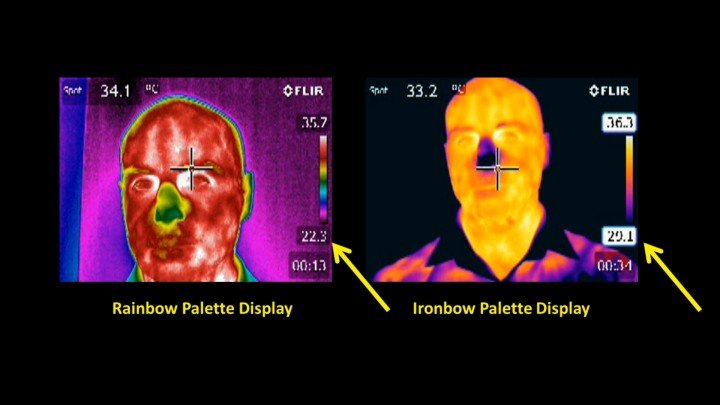
What are electromagnetic waves and how did they discover that light is made of them? How did they discover all the electromagnetic waves (like radio waves) that we can’t even see? And how do these electromagnetic waves affect our lives? In this exceptional program, the last in the ground-breaking Shedding Light series, Science teacher Spiro Liacos introduces students to waves in general, and then takes a detailed and very entertaining look at radio waves, microwaves, infrared light, visible light, ultraviolet light, X-rays and gamma rays. Along the way he surfs, plays guitar and piano, flies a helicopter (a remote control one), dives into the ocean, visits the dentist and spends some time in the tropical sun. This program and its accompanying worksheet and practical activity will keep your students engaged in their learning for up to five lessons, and is, quite simply, the easiest and the best way to teach them all about electromagnetic waves!
Subjects: Physics
-
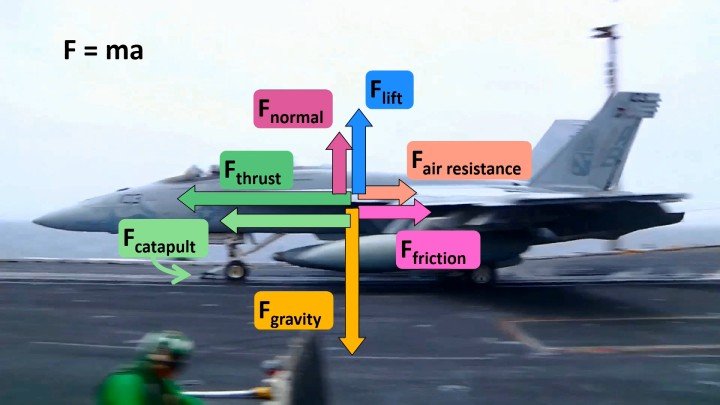
Newton’s Second Law
We answer the most important question that has ever been asked: how does a magician pull a tablecloth out from under a dinner set? No, seriously, we look at the so simple and yet so powerful equation Fnet = ma. Newton’s Second Law tells us how to calculate the amount of force required to accelerate something by a given amount.
-
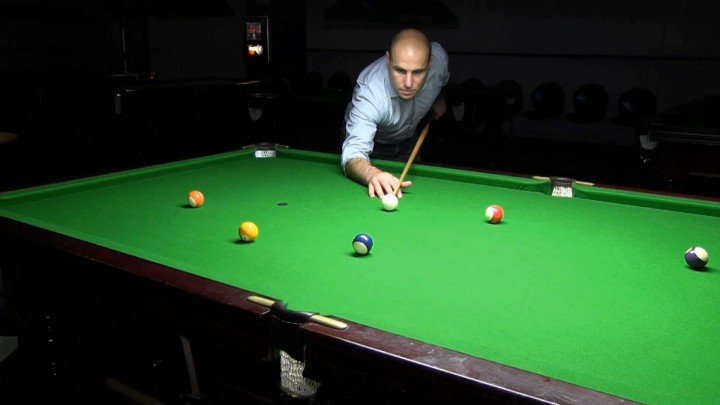
Newton’s Third Law
We look at that most poetic of all Laws: For every action there is an equal and opposite reaction. How does a rocket engine work? Why do guns recoil when they’re fired? How do our muscles work? What propels us when we’re swimming? And how exactly is gravity a two-way interaction? All these questions, and many more, will be answered in this excellent video.
-
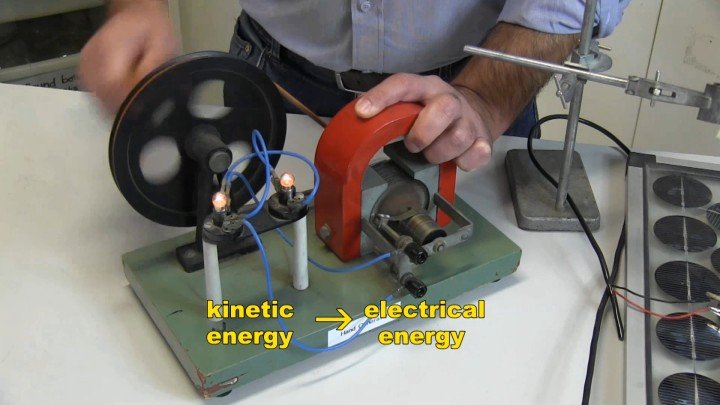
Forms of Energy
We introduce students to the different types of energy that affect their lives daily and describe how energy can change from one form to another. We also explore one of the most important discoveries ever made.
-
Measuring Energy
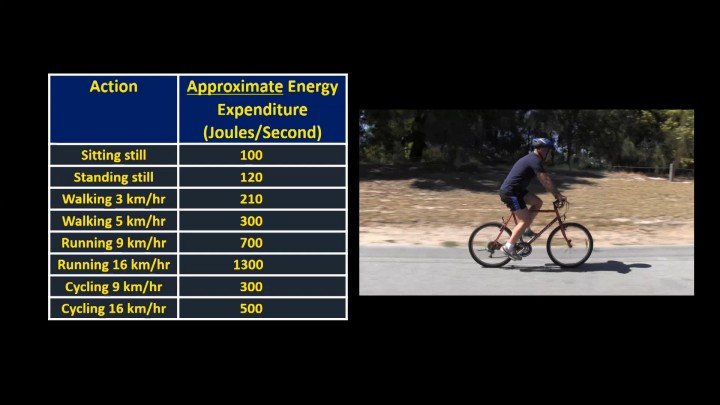
We introduce students to the Joule, the unit for energy. We look at how much energy is stored in different foods by comparing apples and oranges (normally a no-no) and we discuss how much energy we need to do certain things including nothing much at all. We then explore the concept of energy balance and reveal the two simple rules for weight loss. That’s right, there are only two!
-
Newton’s First Law
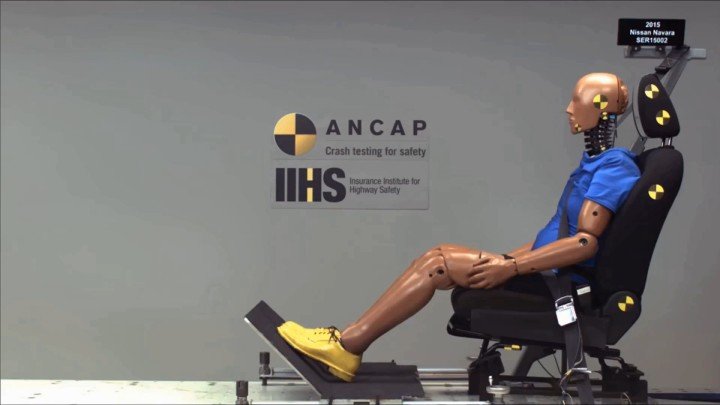
Presenter Spiro Liacos is “thrown forward” in a head-on collision, “thrown backwards” when his tram takes off, and “thrown to the side” when his car suddenly turns a corner. But in fact none of these things actually happen! Using brilliant visuals, this episode looks at the fact that an object will remain stationary or move with a constant velocity unless a force acts on it. It also describes a number of different forces that affect our lives daily.
-
Acceleration
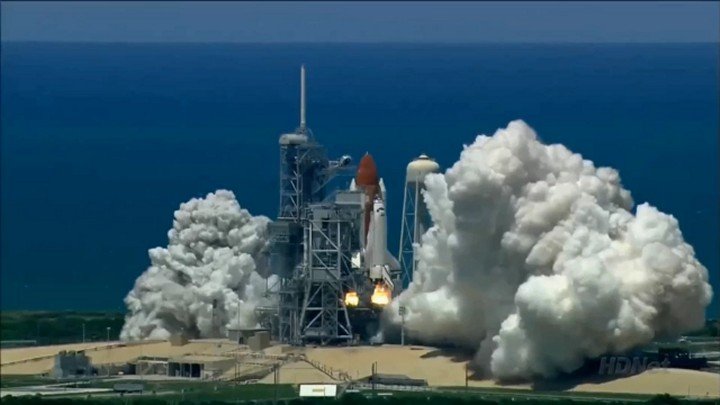
We introduce students to the concept that acceleration is a measure of how quickly something changes its speed. We join James Bond as he falls out of an aeroplane without a parachute, splash into the water at 50.4 km/hr with presenter Spiro Liacos, and watch on helplessly as a truck runs off an unfinished bridge and explodes in a massive fireball.
-
Relative Motion
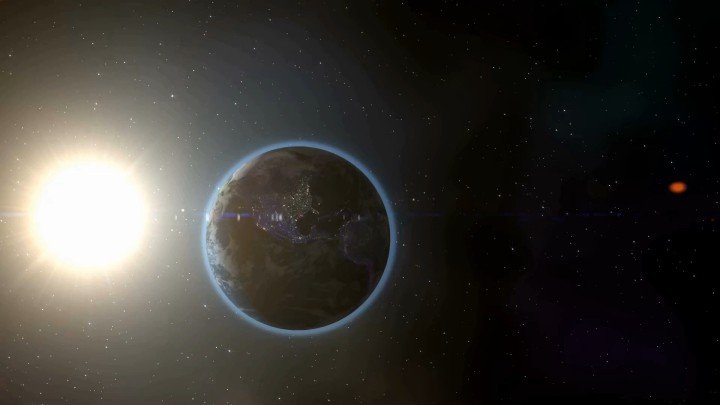
We introduce students to the concept that the movement of an object is always relative to something else. We call it “sunrise” but is it really? Can we stand still and move around from place to place at the same time? If a car is moving forwards, can it also be moving backwards at the same time? And can we throw a single ball towards the left and towards the right at the same time? The answers to all these questions will be answered and along the way we will gain a much deeper understanding of velocity and acceleration!
-
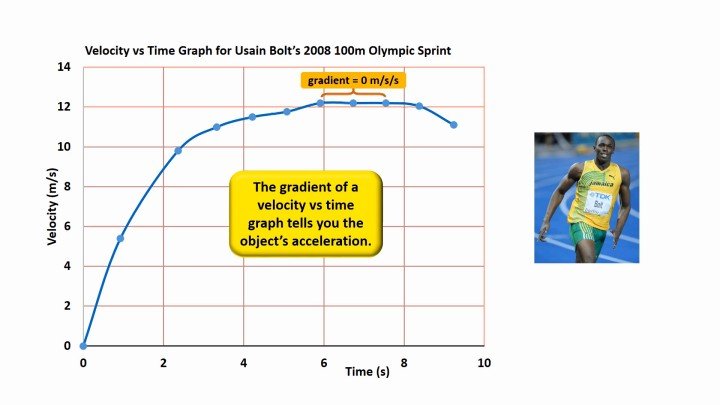
Graphing Motion
We look at how graphs can help us better understand the motion of athletes and of cars and other things. In a 100-metre sprint, when do athletes reach their highest speed? When do they accelerate at the highest rate and at what point, if any, do they stop accelerating?
-
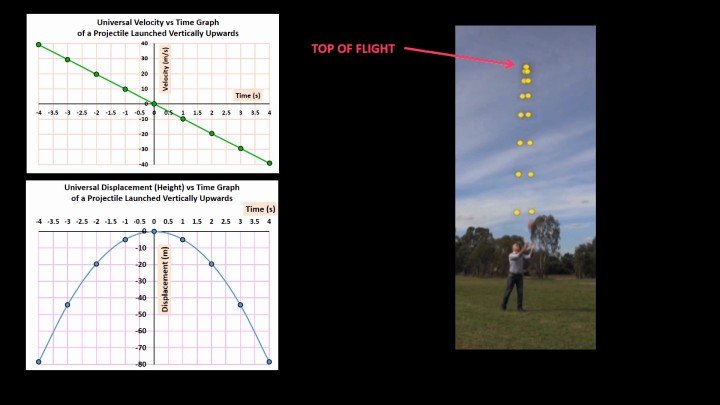
Graphing Free Fall
We continue looking at graphs but pay particular attention to how graphs help us to understand the motion of objects that are either falling straight down or which have been launched vertically upwards into the air.