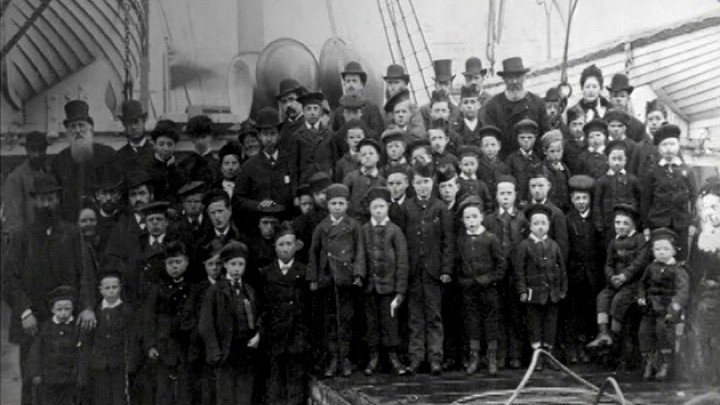
William Quarrier, a successful Scottish businessman began a program of caring for street children that, in 1874, led to the establishment of the Orphan Homes of Scotland. During the next fifty years, some 7000 of these children were sent to Canada to begin new lives. This program is their story. Four seniors, orphaned children who were part of that emigration to a strange and far away land, recount their experiences. Their memories start with the long boat trip over the Atlantic. It was a voyage that mixed fear and seasickness with the excitement about the adventures to be faced in a strange land.
Subjects: History
-
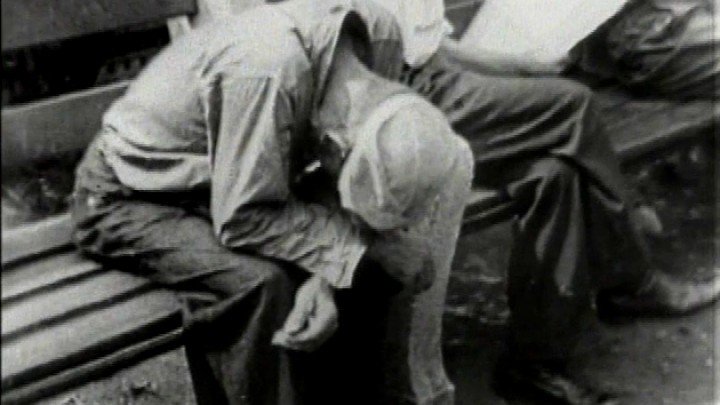
The Great Depression
Compelling stories drawn from one of the centuries most harrowing events – the Great Depression. In this program, four seniors recall the poverty; homelessness; soup lines and relief camps that characterized their lives during this period. However, while circumstances were difficult, often in the extreme, each of the seniors also recalls the sense of community and sharing that helped to make life bearable.
-
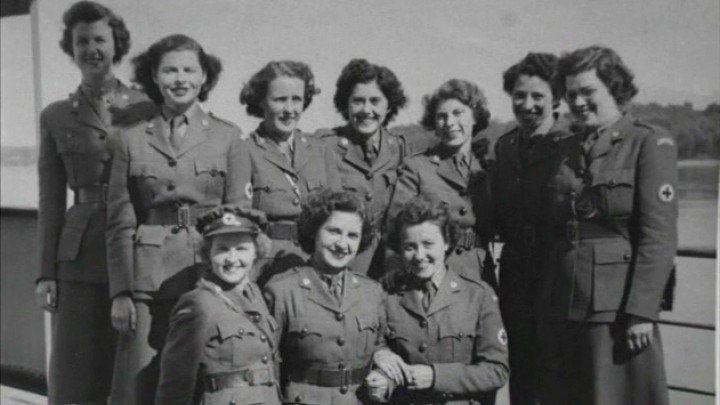
Women at War
They laboured in the factories and enlisted in the services, often serving overseas. They made a significant contribution to the War effort, and their lives were changed and would never be the same – they thought. While the horrors of war and the loss of loved ones are remembered, many working women also recall this as period of unparalleled freedom and camaraderie. And yet when the war ended, career expectations and hopes were discouraged. The jobs they had done so well were given back to the men, while they and other women were strongly encouraged to return to the traditional roles of mother and wife.
-
Steam and the Sternwheeler
This program details, explains, and demonstrates the propulsion system of a steam powered ship driven by reciprocating steam engines and a stern mounted paddle wheel. The demonstration is modeled on the historic vessel Samson V currently exhibited in New Westminster B.C.
This five part, menu driven, presentation runs more than forty five minutes if all five modules are played. The work examines the entire propulsion process from the nature of steam itself to a full explanation of the engines and their control. -
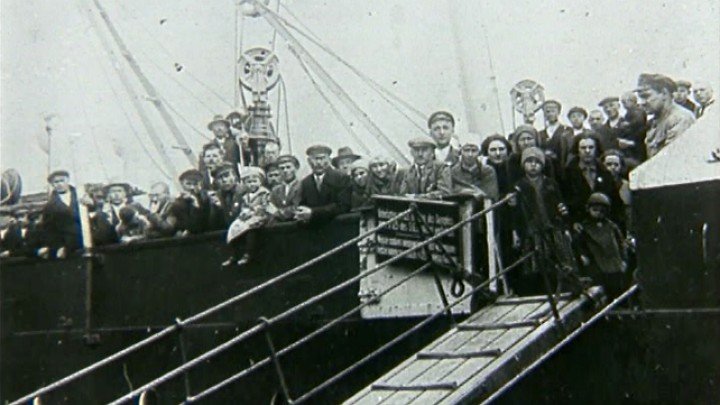
Moving Experiences
Immigration and multiculturalism, citizenship and discrimination – themes emerging from the vivid memories of four immigrants. Each from different cultures, emigrating to a strange, far-away land, they recall hopes, dreams, and the difficult realities encountered during the process of cultural assimilation and the achievement of citizenship and pride their adopted home – Canada.
-
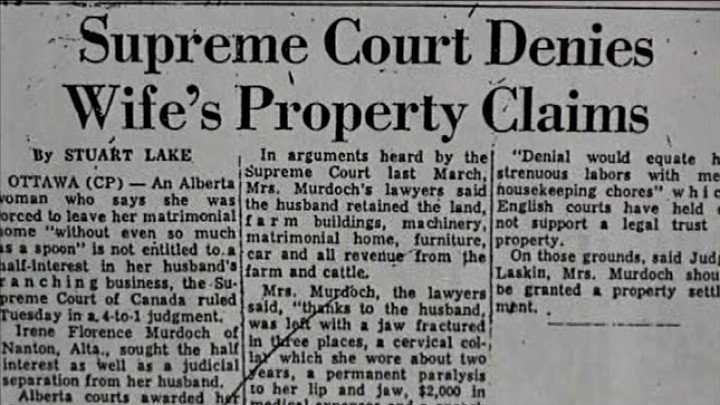
Persons At Last
Women as a minority, lacking even the most basic rights of citizenship, cultural and economic? Hard to believe, but not until 1929 and the famous Person’s Case were women legally recognized as human beings entitled to vote and to rights separate from those enjoyed by their husbands. Through the fascinating memories of four seniors – all female activists, this show explores the effect of the Person’s case and the long, ensuing fight for women’s equality in multicultural Canada.
-
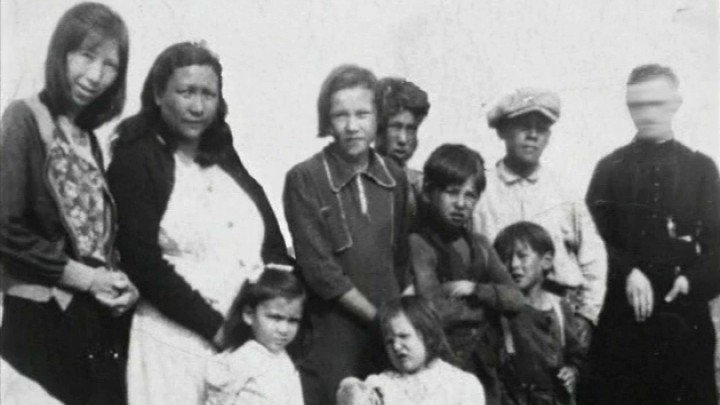
Cruel Lessons
Residential Schools, the term conjures up a history of abuse for Canada’s First-Nation peoples – poignant reminders of the cultural and citizenship issues under investigation in the press, courts and Government. Their own language forbidden; constantly told their culture was inferior; subjected to physical and psychological abuse, four seniors (male and female) remember the cruel lessons absorbed during their “school days.”
-
The Western Front – WW1
This video continues on from “The Causes of WW1”. The video concentrates on the Western Front where all the major combatants believed the war would be won or lost. After four years of the bloodiest conflict the world had seen, and after nine million casualties, it was won by the Entente. Topics include Schlieffen plan, the miracle of the Marne, mobility gives way to entrenchment, entrenchment leads to the slaughter of 1916/17, Verdun, Somme, Ypres, life in the trenches, the March 1918 offensive, and the collapse of the Central Powers.
-
Canada and World War I
For many, WW1 marks the beginning of nationhood. But the cost to Canada was high – nearly one in ten of her soldiers was killed. The moving story of Canada at war and on the home front is told using soldiers’ letters, period songs, archival footage, photographs and posters. Topics include: trench warfare, the Somme, Vimy Ridge, Passchendale, women’s role, recruitment and conscription and casualties.
-
La Premiere Guerre Mondiale
Pour plusieurs, la Premiêre Guerre Mondiale marque le début de notre identité nationale. Le coût, en revanche, a été três élevé- presqu’un soldat sur dix est mort. L’histoire émouvante du Canada à la guerre et la situation vécue au pays, est racontée avec des lettres, des chansons d’époque, de vieux films d’archives, des photos et des affiches. Les sujets traités sont: la guerre des tranchées, la Somme, Vimy, Passchendaele, le rôle des femmes, la conscription et les morts et blessés.