This program looks at emotions and the turbulent times that can be the experience of many young people during puberty.
Subjects: Health
-
The Social
In this program we hear from professionals and young people as they discuss some of the social issues affecting people experiencing puberty.
-
Sexually Transmitted Infections: What We Can’t See
This program combines an engaging story with the straight forward commentary from expert speakers; Doctor Cindy Pan and Phillip Patterson (Melbourne Sexual Health Clinic). In the style of the movie “Sliding Doors”, we follow two different scenarios that look at the health consequences of a young couple’s lifestyle decisions, and in the process present information about a range of sexually transmitted infections and the short and long term consequences of contracting them. Particular focus is paid to Chlamydia, Hepatitis B, PID, HIV, Genital Warts and Herpes, Pubic Lice and safe sex practices.
-
Party Drugs
So-called ‘party drugs’ such as Ecstasy, Speed and GHB fuel endless nights of dancing at Australian clubs, parties and music festivals. Following the true story of a 21-year-old student named Emma, this program looks at the short and long term effects of these drugs, ways people can minimize harm if using party drugs, and places people can access further information. Experts featured include Dr Cameron Duff of the Australian Drug Foundation; Alan Eade of the Metropolitan Ambulance Service and Andrew Bruun of the Youth Substance Abuse Service.
-
Personal Hygiene
This program explores issues associated with young people and personal hygiene. It examines ways of achieving and maintaining healthy hygiene practices and focuses on keeping the skin clean, looking after hair, dental hygiene, nasal care and hand washing. A separate section at the end of the program covers aspects of personal hygiene during menstruation. The program features comments from Department of Human Services, Dr Rosemary Lester, and dental hygiene recommendations from Dr Meredith Metia on behalf of the Australian Dental Association. This program is an excellent resource on personal hygiene. This program explores issues associated with young people and personal hygiene. It examines ways …
In this correspondence course, students learn how to make a realistic assessment of personal qualities and attributes, develop self discipline and self belief, and maximize the potential that is present inside each and every one of us.
-
Personal Identity: Tattoos, Body Piercing, Art, Culture and Self Expression
Body art and adornment have been used by people and cultures to express themselves as individuals and as a function of social bonding for tens of thousands of years. This program looks at the growing popularity and acceptance of tattoos and body piercing and how it is frequently used as an expression of personal identity. The program provides an overview of the history of body decoration and speaks to a range of people who talk about what it means to them personally. The program also looks at the intersections between graphic design, graffiti, tattooing, technology and the design of needles and jewellery. The program considers the similarities in body beautification and modification which can be seen in fashion, fitness regimes and body building, cosmetic surgery, dieting and liposuction.
-
Reality Bites!: Sex, STDs, and Contraception
This program explores the important issues for modern teenagers. Understanding sex and sexuality is a key component addressed in the program, as is decision making, being sexually active, practicing safe sex, and dealing with unwanted pregnancies.
-
Resilience: Bouncing Back
Best mates Ange and Tom the puppet, explore what it means to be resilient. Based on the work of leading psychologist Emmy Werner, the program suggests that people who are resilient have: 1) someone who cares for them 2) something to do and 3) something to hope for. While the issues are deep and significant, the program is fast, bright and entertaining, giving young people handy tips on: anger management, problem solving, being assertive (‘I messages’), goal setting and having a positive attitude. Interspersed with Tom and Ange’s exploration of resilience are comments from young people themselves. This is an engaging program that will help students look positively to the future.
-
Risky Situations
This program is about a range of risky situations that can typically confront teenagers of a lower high school age. Risk is defined, and the concept of negative and positive consequences is explored. Sections covered by the program include: what are risky situations; how do we get into them; what are the likely negative risky situations young people are faced with; what are the consequences of our choices and strategies for dealing with risky situations. The material is covered using acted scenarios – one depicting a shoplifting scene and the other depicting a party where alcohol and cigarettes are being consumed by minors. For both scenarios, a range of endings and therefore consequences is acted out, which contrasts the different outcomes according to the decisions made by the people involved. The program also uses a young people’s forum to thrash out some of the issues covered, where the participants give a range of responses to different questions.
-
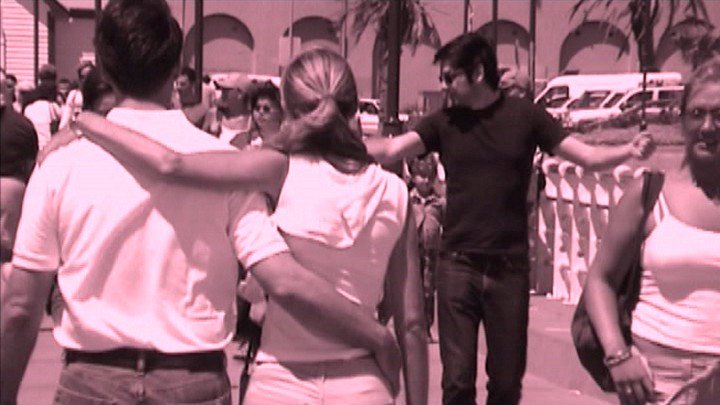
Sexuality
This program focuses on issues related to sexuality, identity and discrimination. Acknowledging and accepting the broad range of differences amongst students is vital in the recognition that young people are not a homogenous group. Effective sexuality education and sexual health education acknowledges the critical role of peoples values, moral beliefs, cultural and religious background, sexuality and gende.