Children learn all about soil during this video, when detective Terra Firma and his assistant Eartha the Earthworm dig below the surface to unearth the facts. Witness how soil is formed; the properties of sand, clay, loam soil, and their uses; and much more! DVD features include on-screen teacher’s guide and vocabulary plus chapter selections.
Subjects: Earth Science
-
Our Earth in Motion
Why does the sun rise in the east? Why does the moon change shape? How do tides happen? This program explains in detail how the Earth and the Moon move with respect to each other and the Sun, why we have day and night and different time zones. Why we have four seasons every year, two tides and the different phases of the moon. This program will enhance student understanding of key concepts that are effectively demonstrated through clear graphics and animation.
-
Global Tectonics: Competing Theories
Through dramatization and animated graphics, this program clearly explains current theories regarding the structure of the Earth, and how the continents came to be in their current positions. It explores the history behind the widely accepted theory of Tectonic Plates, involving Continental Drift and Sea Floor Spreading, and then examines the alternative theory of Global Expansion. Featuring a range of geological evidence, expert opinions and even a trip back in time to visit Galileo Galilei at his home in Florence, this program looks at how once hotly-disputed ideas can become accepted as scientific fact.
-
Earthquake Tsunami: Wave of Destruction
This program explores natural forces inside our planet, how and why earthquakes occur, the 2004 tsunami and the international response that followed. Senior seismologist Gary Gibson takes us through some reasons why the earth has such destructive potential, and the natural forces behind the 2004 tsunami. Featuring a range of natural disaster footage, graphics, footage of the tsunami aftermath, and interviews with aid workers involved in the international response.
-
Energy Conservation
Renewable energy offers a long term solution to the problems caused by our use of fossil fuels, but if we want to make an immediate impact, the best place to start is energy conservation. Developed countries like Australia have relied on cheap energy to maintain high living standards, but this has produced a culture of wastefulness and inefficiency. This program takes the audience on a tour of an energy efficient house to show how the average home can cut energy use. And to make sure the audience identifies with the subject, we also visit an average household and an average high school, to see what they’ve done to conserve energy. Once people are educated about the way we use energy, they realize how easy it is to make the small changes that are needed to cut our energy use. This program shows that this results in big savings on our energy bills and makes a significant contribution to the health of our planet.
-
Biology Fieldwork One
This program shows students how to complete the practical fieldwork needed to investigate a local inland ecosystem.
-
Biology Fieldwork Two
We join a group of students as they investigate a rocky shore ecosystem. As well as the collection and interpretation of the data, we also investigate a number of important aspects of the ecosystem.
-
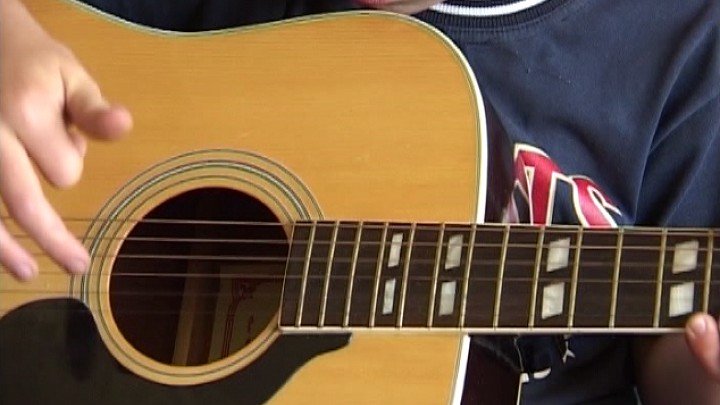
Learning about Sound
Introduces students to: how sound is made, how sound travels, the terms ‘pitch’, ‘volume’ and ‘compression waves’, how our ears detect sounds, and the way our vocal cords work.
-
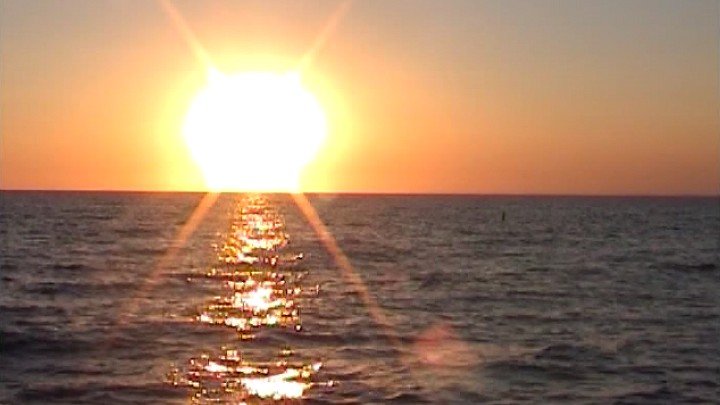
Learning about Solar Energy
In Learning About Solar Energy, students are introduced to: the earth’s most important energy source, plants, food chains and solar energy, terms ‘photosynthesis’, ‘fossil fuels’ and ‘renewable energy’ and a range of solar applications.
-
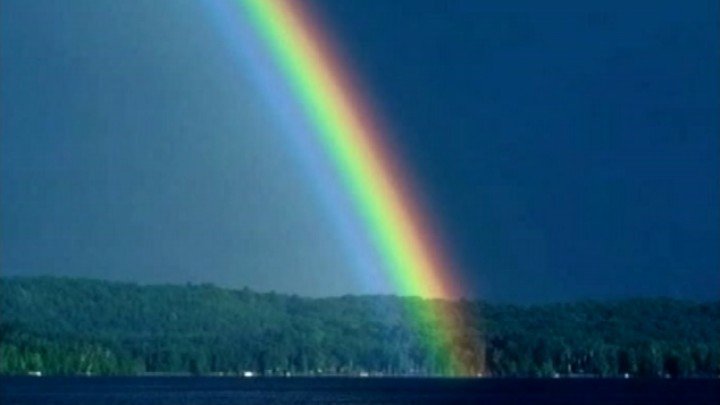
Learning about Light
Students will learn: what light is; how white light can be separated into a spectrum of colours; the terms ‘transparent’, ‘opaque’ and ‘translucent’; reflection and refraction; and how the eye adjusts to different amounts of light.