The Elements of Fiction – Ernest Hemingway, Mark Twain, Robert Louis Stevenson — these are just three of the renowned authors whose work is cited in this program which explores: Plot elements Character Conflict Flashback Foreshadowing and more.
Subjects: Classical literature
-
The Elements of Drama
The wonderful world of drama comes alive in The Elements of Drama, as the young host and hostess take viewers on a journey through the works of such famous playwrights as William Shakespeare. Colorful graphics and an informative narrative illustrate the basic elements of drama: Dialogue and narrative Soliloquy Dramatic conventions Plot elements Character Point of view Conflict and more.
-
The Elements of Poetry
The Elements of Poetry – Figurative language, meter and rhyme, simile, and metaphor — these are a few of the many topics explored in this lively video tour through the genre of poetry. Other elements illustrated in the program include: Oxymoron Assonance Alliteration Imagery Understatement Hyperbole and more…
-
Oedipus the King
Of interest to students of drama, ancient history and the Classics, this video recreates the ethos of Greek life and religion. Traditional elements of Greek theatre are effectively used to present this archetypal tale of familial and divine jealousies and rivalries.
A booklet containing a very detailed introduction and text accompanies the video. The introductions are aimed at the teacher and provide an analysis of tragedy itself as well as this play in particular. -
Oedipus at Colonus
According to tradition this is Sophocles last play and, with Oedipus and Antigone, completes the Theban trilogy. Oedipus finally comes to terms with his life of triumph, tragedy and disgrace and finds relief in death. He overcomes his tragedy and achieves resolution through the Gods’ acceptance. Contrasts between the relationships between Oedipus with his sons and his daughters underline the picture of a universe that is both arbitrary and inexplicable.
-
Medea
The third production of Euripides by Classic Productions and the University of Otago, Medea complements Hippolytus and Bacchae as an examination of the conflict between Nature (the gods) and human emotion. The story of Medea and Jason is perhaps one of the longest running of the Greek myths and has been central to the imagination of Western Europe since the 16th century, appearing as opera, dance, burlesque and drama. The text that accompanies the videotape is prefaced by an introduction that combines analysis with elements of the play’s theatrical history.
-
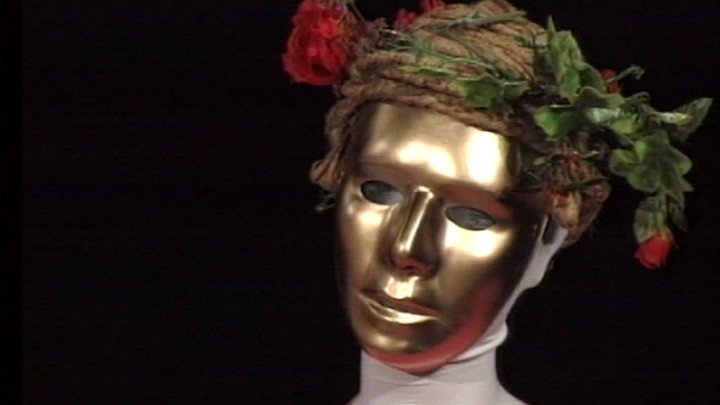
The Hippolytus of Euripides
A companion play to “Oedipus the King”, this video presents the classic tale of father/son jealousy and divine challenge in a traditional Greek format that is easily accessible to the viewer. The video is accompanied by a booklet containing a very detailed introduction & text.
-
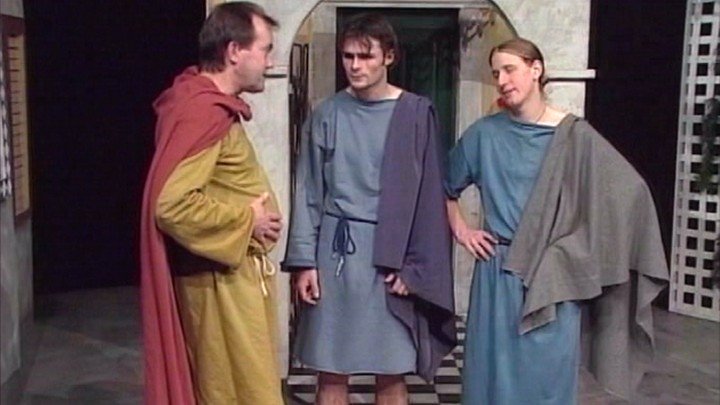
The Eunuch
The first comedy in the series on classical theatre, Terence’s “Eunuch” is typical of what would have been presented in the festive atmosphere of the “ludi” or public games. The characters reflect a conventional collection of comic types as well as a cross section of Roman society. Using such plot devices as love, desire, deceit and competition, the “Eunuch” weaves a comic web whose threads entangle all of players in this example of Latin satire .
-
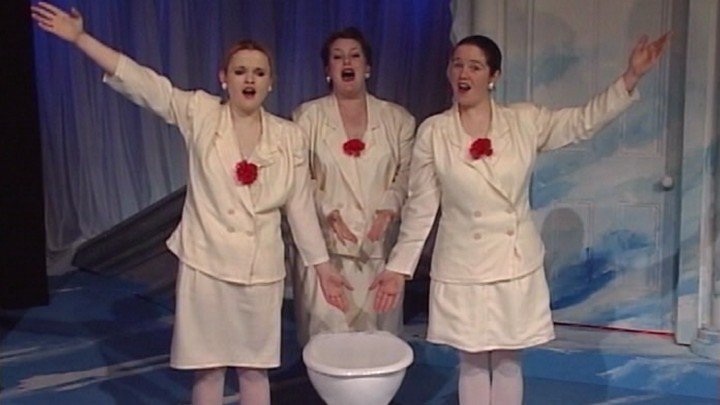
The Clouds
Based on an idea by Aristophanes out of a solecism by Socrates. This satirical comedy examines philosophy and education, honesty and deceit, words and deeds under the guise of a simple man’s absurd attempt to avoid debt. Useful as an introduction to the concepts of ethics and morality in everyday life for studies in English, Drama, Ancient History and Philosophy. A full text accompanies the program.
-
Sophocles Antigone
This is the fourth in our series of Greek plays and expands on the theme of God’s law versus Man’s law. Antigone, daughter of Oedipus wishes to obey ancient customs governing the burial of the dead and clashes with her uncle Creon, who in his over eagerness to establish his newfound kinghood, declares that the body of her traitor brother Polynices should receive no burial rites. The tragic results serve to illustrate the folly in ignoring traditional culture and wisdom.