Bang, crash, wallop! What is a sound? How do we hear? How do our ears work?
Inventor of the telephone Alexander Graham Bell joins the team in the studio to talks telephones and… er… metal detectors?!
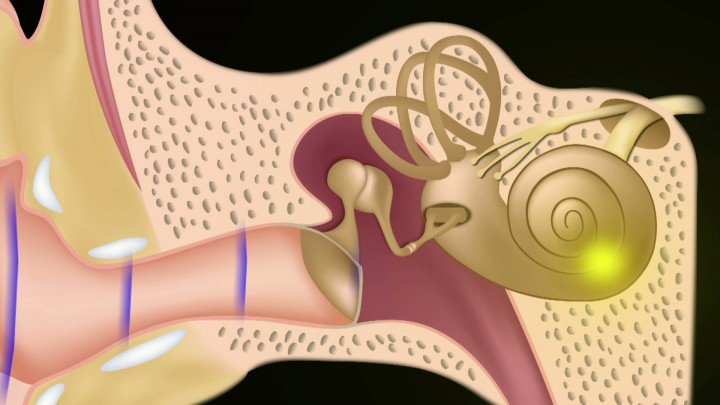
Bang, crash, wallop! What is a sound? How do we hear? How do our ears work?
Inventor of the telephone Alexander Graham Bell joins the team in the studio to talks telephones and… er… metal detectors?!
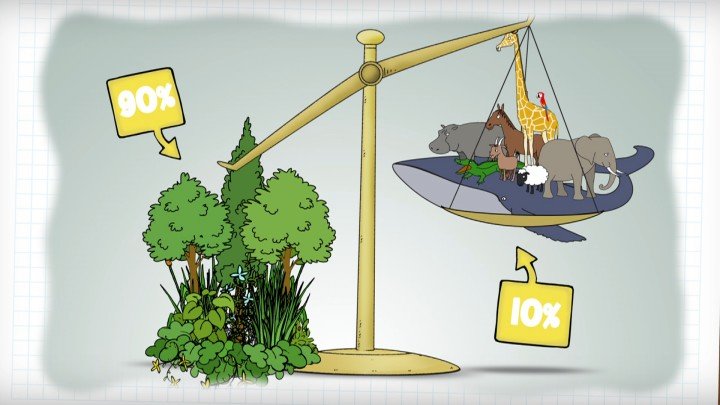
Flesh-eating plants & dancing flowers are all packed into the show this week.
Mark and Lucy both bring in their favourite plant but, as always, Mark thinks his is the best… until it starts to die. It’s left to Ancient Greek plant expert Theophrastus to explain what is happening.
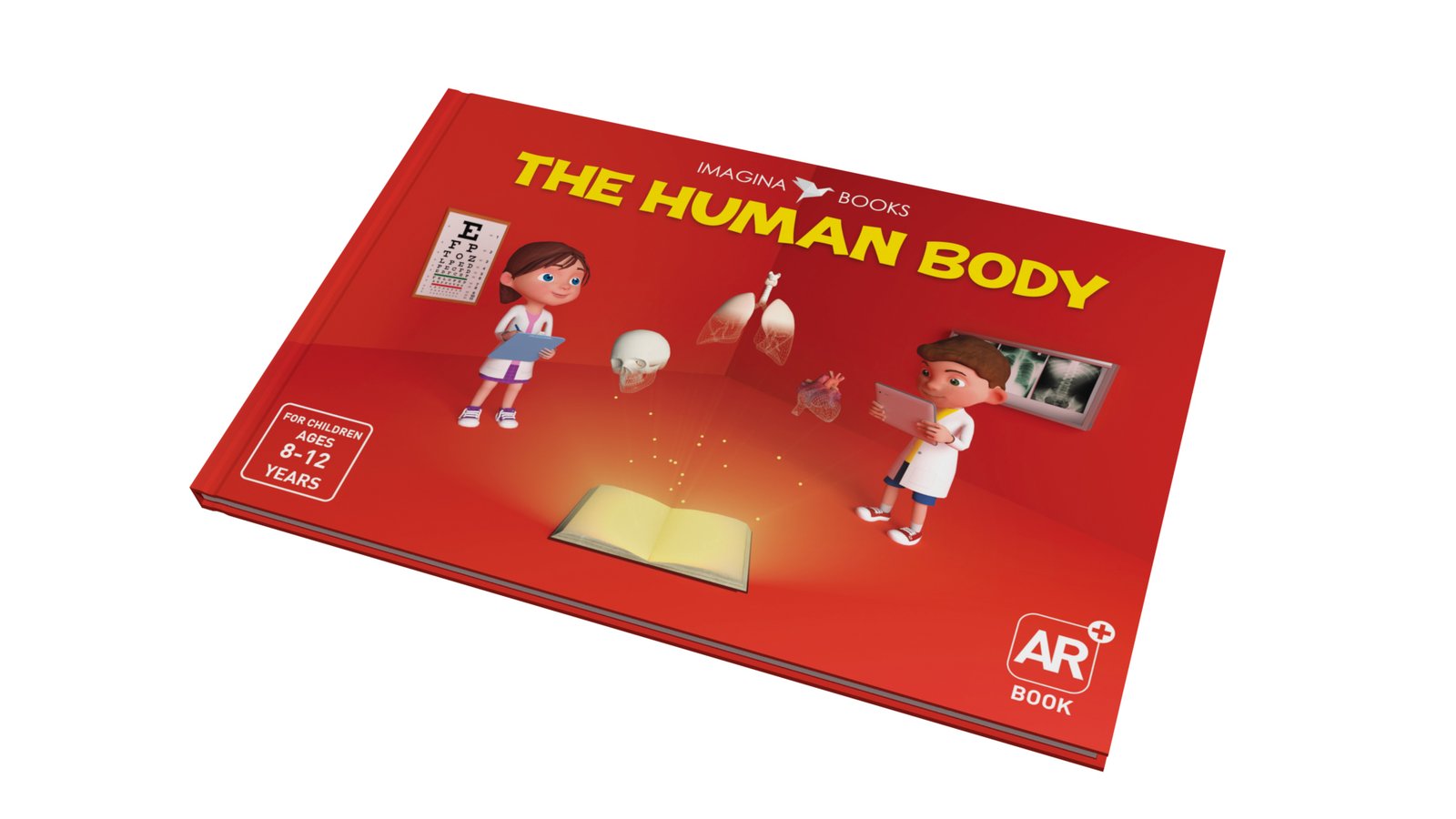
Book 1, is a complete gamified journey of the human body. Students can explore all their body organs and functions with an interactive augmented reality experience. Includes skeletal, nervous, digestive, circulatory, respiratory and urinary systems. The book is “hosted” by two friendly animated characters, Sarah and Adam whom interact with the reader to offer engaging insight.
Augmented Reality app included with each book
Grades 2-9
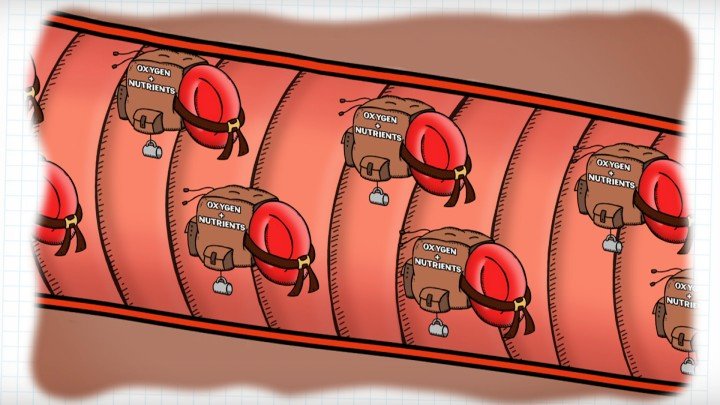
Lovely icky red blood. What is it and why do we need it? How does it transport important things around the body?
Bob the robot just has his first aid badge to get so that he can go to the robot jamboree. The trouble is he hates blood. Mark is stopped just in time by blood expert Charles Drew as he is about to give someone a blood transfusion from a dog!
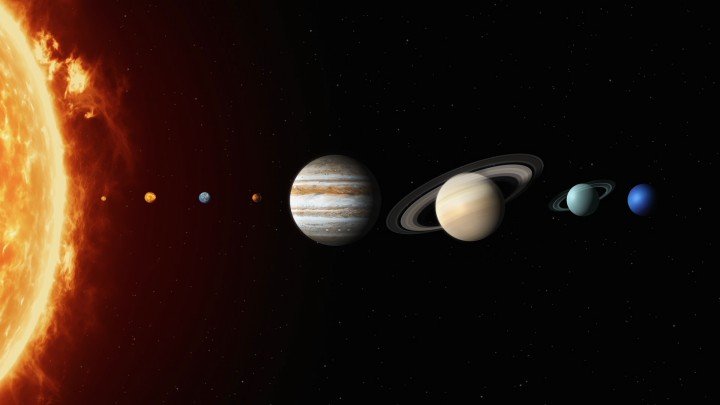
What happens to our bodies in space? Can we live on other planets? Who invented the telescope and how can we make one at home?
Mark receives a letter from the head of the channel saying that he is going to be sacked if anything else goes wrong on the show! Lucy, Bob, and Professor McTaggart try and make sure that, for once, everything goes smoothly. Everything seems to be going well until legendary astrologer Galileo arrives and is keen to start selling his telescopes… Lucy is outraged and decides to teach him a lesson!

We introduce students to the concept of efficiency, which is a measure of how much useful energy you get out of something compared to the amount of energy that you put into it. We answer a bunch of questions including:
This video is the most energy-efficient way of learning everything that you need to know about energy efficiency!
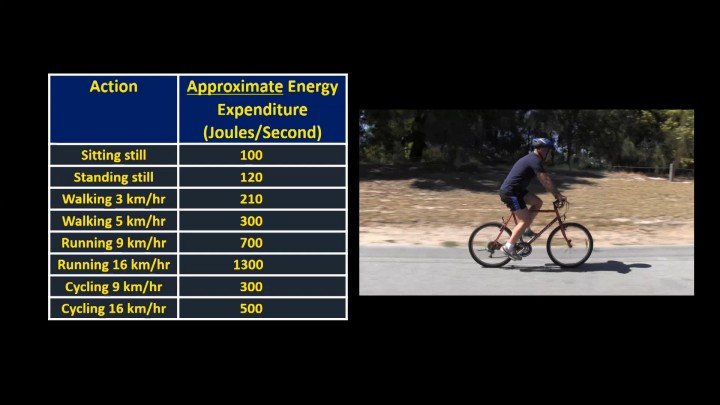
We introduce students to the Joule, the unit for energy. We look at how much energy is stored in different foods by comparing apples and oranges (normally a no-no) and we discuss how much energy we need to do certain things including nothing much at all. We then explore the concept of energy balance and reveal the two simple rules for weight loss. That’s right, there are only two!
This live-action video program is about food chains. The program is designed to reinforce and support a students comprehension of food chains and the relationship between plants and animals. Through use of video footage, photographs, diagrams and colorful, animated graphics and labels, viewers will come to understand how that the food chain represents the continuous exchange of energy among organisms.
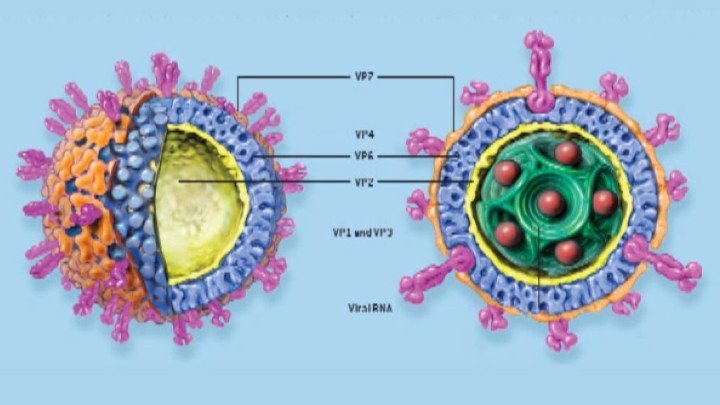
This collection examines how the causes of disease are investigated, vaccines developed and treatment administered. The first short program looks at the rotavirus, its impact, the development of vaccines and the community benefit of immunization. It interviews: Dr. Ruth Bishop, Virologist who discovered rotavirus and who has been awarded a Florey Medal for her work within this field and Dr. Carl Kirkwood, Enteric Virus Research Group. The second short program ‘Treating Cancer’ discusses the risk factors and provides a molecular understanding of how radiation works in the treatment of cancer, featuring Dr. Shankar Siva, Radiation Oncologist.
The epidemiology collection looks at research methods used to study diseases in society. The first short program interviews Dr. Robert MacInnis, Epidemiologist and uses lung cancer as an example, to explore the critical role epidemiology plays in establishing the cause of a disease. Two bonus short programs are included which look at the difference between correlation and causation, reliability and validity. These activity-based programs show teacher Deb Gajic taking her students through some simple experiments to make these key concepts more accessible.