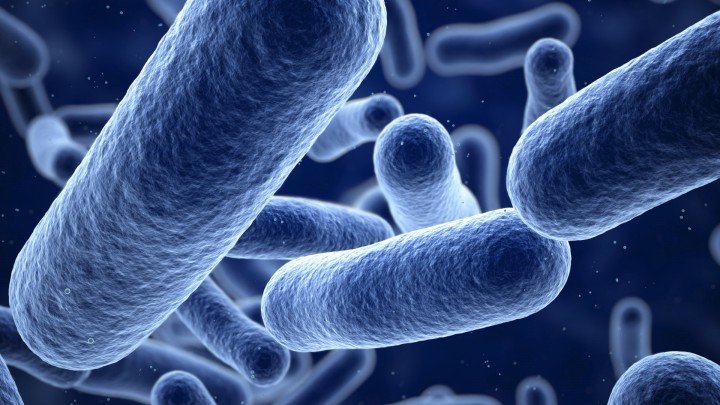
In this program, you will learn all about bacteria. What are the characteristics of bacteria? How are bacteria classified? What is the history of bacteria? How do bacteria reproduce? How is bacteria good and bad for us? How does bacteria help the ecosystem? The answers to all of this are covered in depth with detailed graphics, diagrams and exciting video. On-screen, multiple-choice reviews at the end of each segment reinforce important concepts and make learning fun.
Subjects: Biology
-
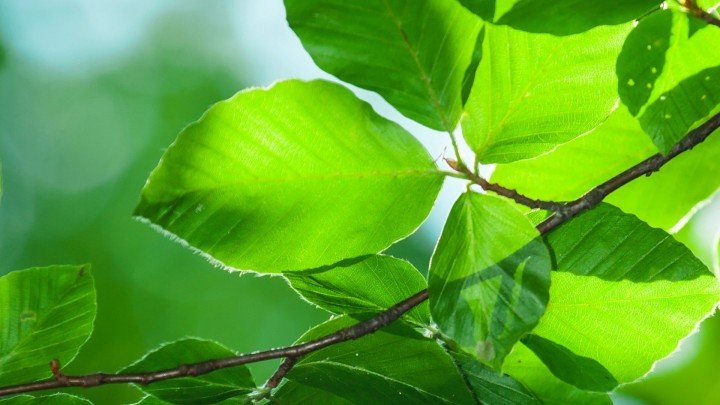
All About Photosynthesis
Learn all about photosynthesis with new, precise, yet easy-to-understand, definitions and explanations. What do plants need to make their own food? What is the process through which plants make their own food? And what is produced by plants during photosynthesis? The answers to all of these questions are covered in depth with detailed graphics, diagrams and exciting video. On-screen, multiple-choice reviews at the end of each segment reinforce important concepts and make learning fun.
-
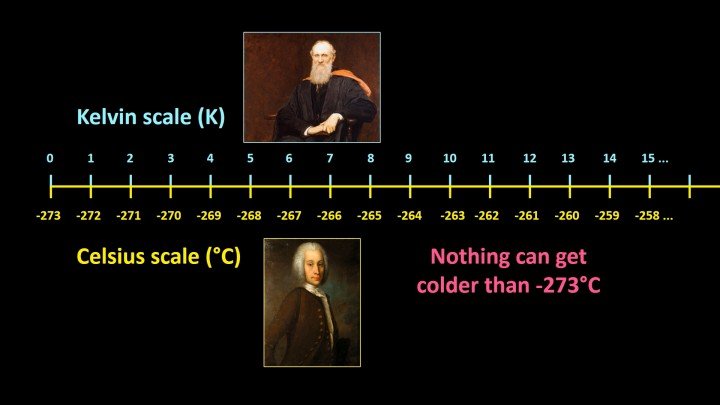
The Kelvin Scale
In Episode 4, The Kelvin Scale, we look at the temperature scale that in many ways is superior to the Celsius and Fahrenheit scales. Zero on the Kelvin scale is equal to -273ºC. And why is -273ºC so special? Because that’s the coldest temperature you can get!
-
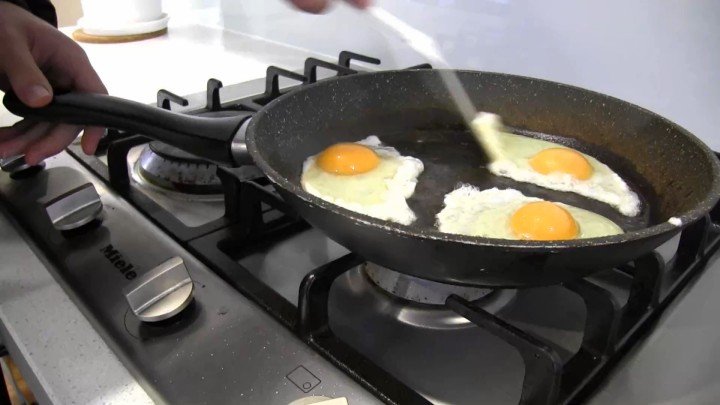
Heat Transfer
In Episode 5, Heat Transfer, we look at the three ways that heat energy can transfer from one thing to another: conduction; convection; and radiation. A heat source is useless if heat energy can’t transfer from the heat source to whatever you want heated. Understanding heat transfer is essential if you want to cook good food and if you want to stay warm when it’s cold and stay cool when it’s hot.
-

Temperature
In Episode 1, Temperature, we get down to the atomic level to explain how hot things are different to cold things, we describe what a temperature scale actually tells us, and demonstrate how we measure the amount of heat energy that water absorbs when it’s heated.
-
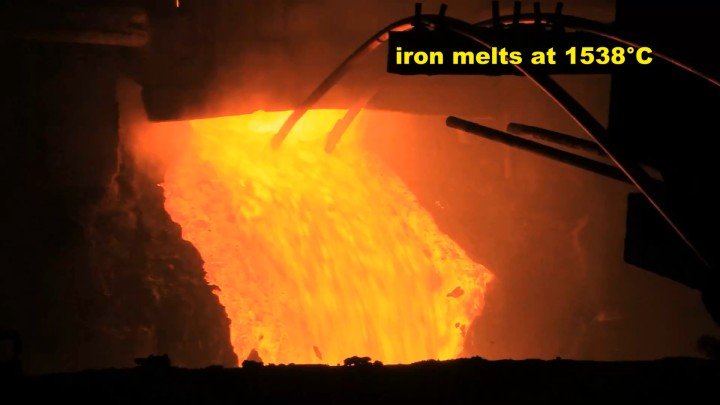
Changes of State
In Episode 2, Changes of State, we look at the differences between solids, liquids, and gases, and at why things change state when they absorb or lose heat energy. We also look at the strange example of carbon dioxide, which doesn’t follow the same rules that that most other substances do!
-
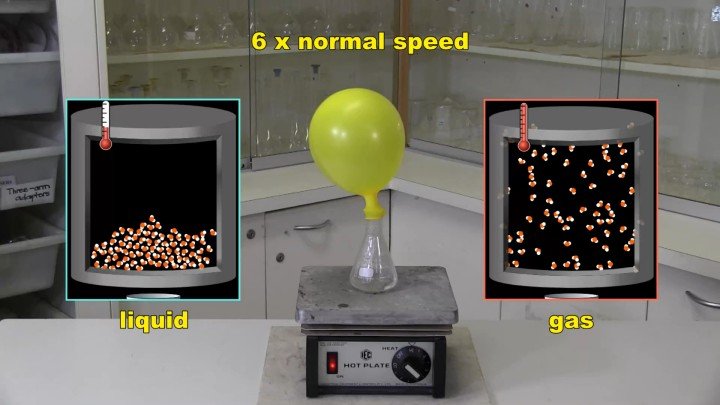
Thermal Expansion
In Episode 3, Thermal Expansion, we look at the fact that substances expand when they get hot and contract when they get cold and we explain why they do. We look at how thermal expansion can be a real nuisance, but also how we can put thermal expansion to good use for the good of the world!
-
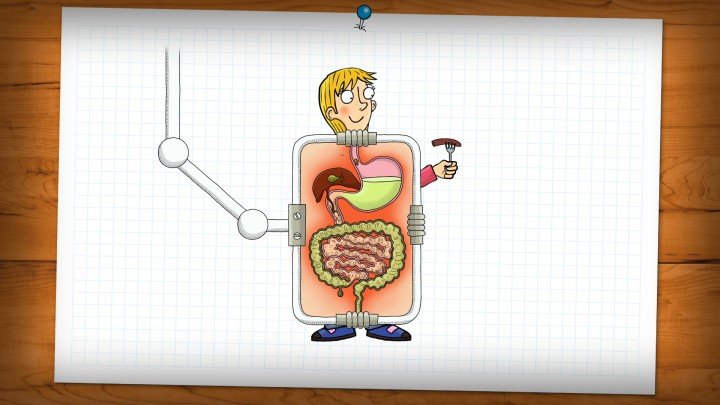
Gruesome Guts
Poo, pizza, and disgusting germs! Why do we poo and how does digestion work? Who was Louis Pasteur and how did he help?
Mark arrives at the studio with terrible stomach pains and asks The Shrinking Scientists to find out what’s wrong with him. In their toughest mission yet, Dr. Sensible, Professor Small, and Junior get ready to fly up Mark’s nose to investigate.
-
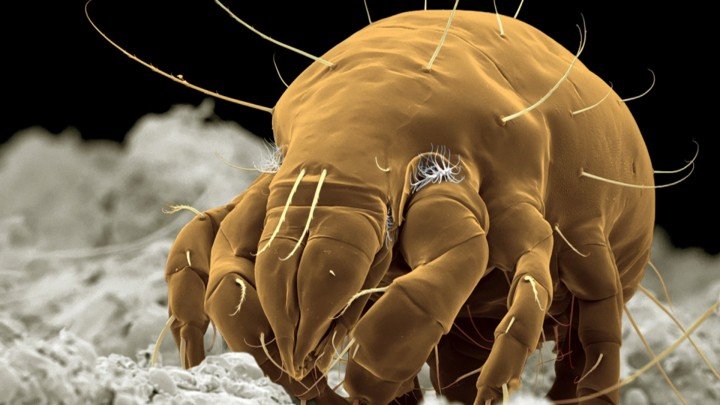
Microscopic Monsters
What nasty invaders live in our homes and on our bodies? Fleas, parasites, worms, and every tiny, disgusting thing in between.
Mark can’t stop itching, but no one knows what’s causing it. The Shrinking Scientists get on the case and investigate. Microscope expert Robert Hooke joins them in the studio.
-
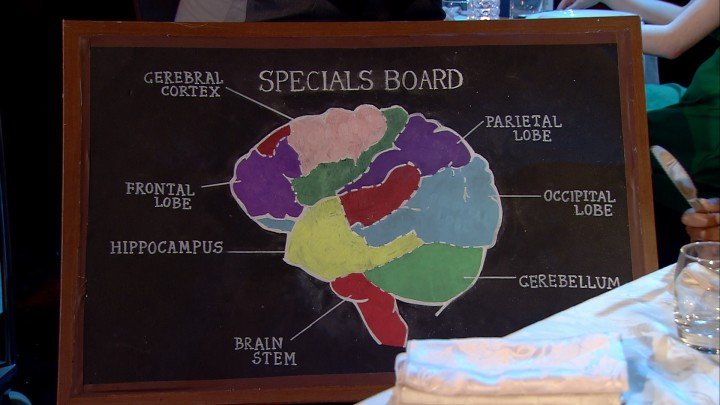
Bulging Brains
What is the brain and how does it work?
Mark arrives in the studio with a new part of pants – ‘Smarty Pants.’ He has bought them off the Internet and claims that they will make him smarter. Lucy is exasperated and has to try and convince him it’s a load of old rubbish. Professor McTaggart claims that chewing gum is good for your brain.