This program is about life in the information age. We?ll look at the availability of different on-line services, their benefits and drawbacks, the global and local scenes of life in the information age and the digital divide. We?ll talk to a number of experts and ICT users along the way. On-line services, life in the information age, the digital divide and how to breach the gap between those who do and don?t access the wealth of knowledge, entertainment and services provided on-line are all investigated and explained in clear, simple terms. Viewers learn about the extent to which life in the Information Age is affected by access to networks and in particular the Internet.
Producers: VEA Group Pty Ltd
-

Learning about Sound
Introduces students to: how sound is made, how sound travels, the terms ‘pitch’, ‘volume’ and ‘compression waves’, how our ears detect sounds, and the way our vocal cords work.
-
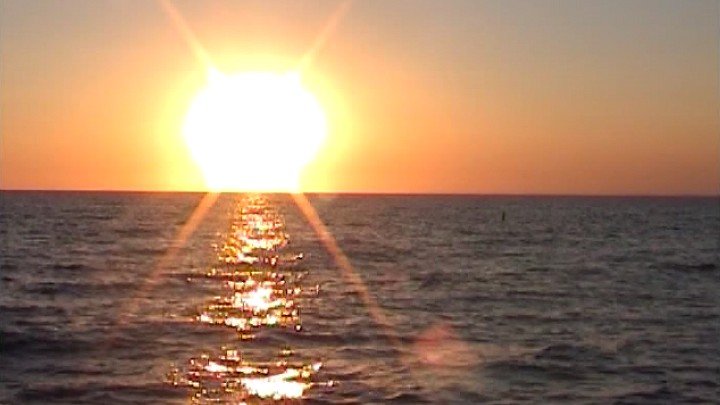
Learning about Solar Energy
In Learning About Solar Energy, students are introduced to: the earth’s most important energy source, plants, food chains and solar energy, terms ‘photosynthesis’, ‘fossil fuels’ and ‘renewable energy’ and a range of solar applications.
-
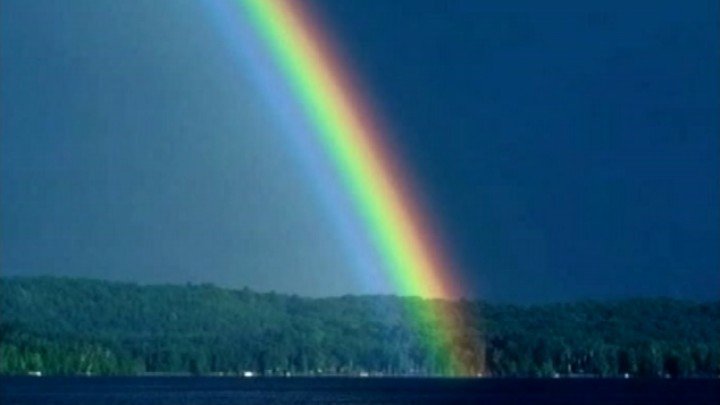
Learning about Light
Students will learn: what light is; how white light can be separated into a spectrum of colours; the terms ‘transparent’, ‘opaque’ and ‘translucent’; reflection and refraction; and how the eye adjusts to different amounts of light.
-
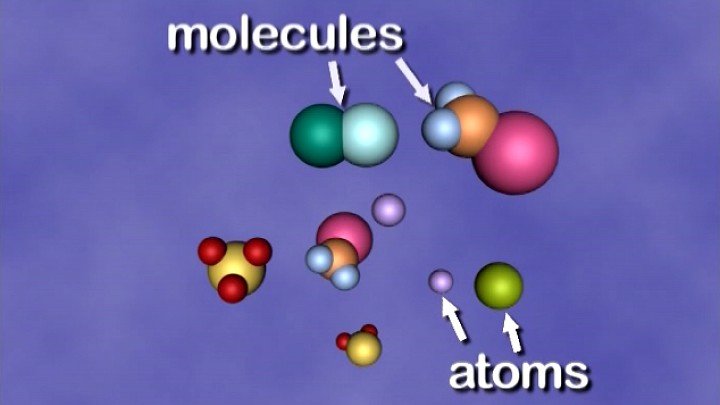
Learning about Solids, Liquids and Gases
Learning about Solids, Liquids and Gases introduces students to the concept that all material is made of matter. Students examine a range of solids, liquids and gases and develop vocabulary and definitions to describe the three different states of matter. Differences are then identified, and this information is used to group materials into categories. The program also examines the difficulties in classifying materials, and how heat can effect matter and change it from one form to another.
-

Learning about Air
Learning about Air introduces students to the concept of ?Air? and its various uses and properties. The program examines: the essentials of oxygen for living and growing; the variety of properties air is made up of; the concept of air having weight and taking up space; different situations air pressure is used in; and how air can form resistance and also be used as an energy source.
-
Learning about Water
Examines water and its various attributes and properties. Students will gain an insight into how 3/4 of the earth’s surface is covered by water but only 1% is drinkable. Also investigated is the concept that water can be found in the form of a solid, liquid and gas. The program examines the water cycle, from how water is a valuable energy source to causing great destruction in the world.
-
The Periodic Table
This lab pack, for classroom use, draws on a database of more than 5000 math questions. The pace and level of difficulty change according to each student’s progress.
-
Biofuels – Alternative Energy Supply
This program investigates the mode of production of a range of biofuels, from biogas, ethanol and butanol to vegetable oils and biodiesel. Students will gain a thorough understanding of the topic as we look at their uses as well as the advantages and disadvantages of the various fuels.