Beginning with the basic concepts of a biological signal and receptor the definition of signal transduction is explained. We then explore various ways in which cells signal other cells: paracine, synaptic and endocrine. Extensive use of animated graphics brings the processes of signal processing to life, showing how the various types of signaling molecules enter cells and how their receptors operate, in particular channel-linked and G- protein receptors. Second messengers are explained. The final section deals with signal amplification, divergent and convergent pathways.
Producers: VEA Group Pty Ltd
-
Implementing a Food Safety Program: HACCP in the Workplace
Food safety is an integral and vital part of any hospitality or food technology subject. This program focuses on a large food service workplace and follows their food safety practices from the start to the end of the day. Interspersed with the visual footage are practical examples of employees following good hygiene practices, checking foods, cleaning, recording information and corrective action. Key elements of a comprehensive food safety program such as reasons for a food safety program, getting ready for work, food preparation, serving food cleaning up are all examined. The program is a comprehensive study of the processes, safety issues and control measures relating to food safety associated with the food service industry.
-
Focusing on Early Years
This video resource looks at various aspects of the Early Years Setting from the basics of Health and Safety to areas of employment within this rewarding industry. The topics of Preventing Accidents, Controlling Infections, and Types of Early Years Settings are highlighted as well as Career Pathways and the roles of workers in different Early Years Settings. This video resource has additional support notes with questions and answers for your students and includes interviews with personnel working in the industry which shows a true reflection of life working in the Early Years Sector.
-
Farm to Fork: Primary and Secondary Processing
How does food get from the farm to our table? In this program we trace the route cereals, fruits, vegetables and dairy products take to get from the point of origin to the consumer. We also explore why there are often several processing steps in between before it can reach your plate.
-
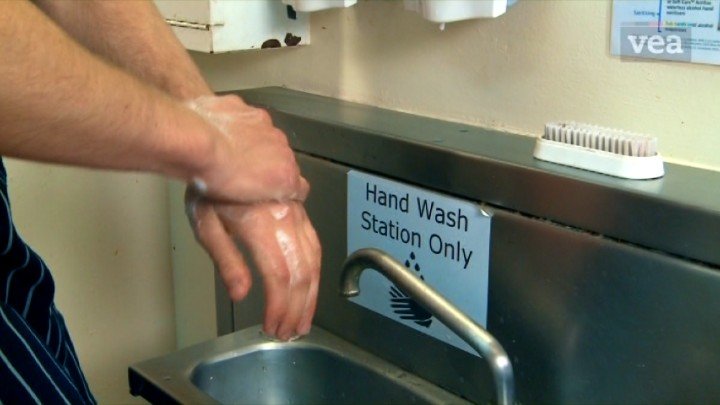
Food Safety and Hygiene
Food safety is an important topic to all students learning how to prepare food. This video covers the most important food safety and hygiene to teach (or remind) students about best practice covering the areas of: cleaning, food storage, avoiding cross contamination, and safe heating and cooling practices.
-
Moral Decisions: The Value of Life
This video resource discusses the moral, ethical and emotional issues of Euthanasia using well known case studies to prompt discussion and debate. Tony Bland (Hillsborough disaster) was left in a permanent vegetative state and his parents wanted him to be allowed to die but this involved stopping feeding him. Diane Petty (a lady with advanced motor neurone disease) wanted her husband to be allowed to help her die without facing criminal prosecution. This informative resource discusses and opens debates on the issues of moral decisions around a right to life.
-
Science Lab Skills 1
Practical skills are paramount for students of science, but learning the basics can be daunting for students just starting out. This collection demonstrates the correct and safe procedure for: operating fire safety equipment, such as a fire blanket or extinguisher; operating personal safety equipment, such as an eye bath and spills kit; basic techniques such as lighting a Bunsen burner and wafting; taking measurements using a thermometer or measuring cylinder; using a pH meter; and performing dilutions using a volumetric pipette.
-
Science Lab Skills 2
Practical skills are paramount for students of science and it’s an ongoing process. New skills are constantly being introduced, some of which build on more basic concepts. This collection demonstrates the correct and safe procedure for: carrying a scalpel and using a microscope; using a spring balance, ticker timer and Hodson light box; connecting meters in circuits; separation techniques; how to test for the presence of gases or organic compounds; and how to perform a titration.
-

Religion in Contemporary Society
This informative video resource discusses what religion means in today’s society and looks at some of the new religious movements that have evolved. We discuss if contemporary society is moving away from the traditional and historical view of religion or if religion and spirituality is merely changing and taking on new forms. This video resource is produced to prompt discussion and debate and comes with worksheets containing questions and activities for the students.
-
Job Interviews
Job interviews are a great way to make a good first impression. In this collection we hear from industry insiders in hospitality, business, health, and manufacturing about the best way to prepare for, and perform well at the interview.