This program discusses how a person can become resilient and talks about methods that we could use to withstand stress and trauma without permanent damage. If someone is resilient, they have the ability to “bounce back” after something negative happens to them. The program outlines the importance for young people to build resilience so that they can recover from a trauma without developing any psychological problems.
Producers: VEA Group Pty Ltd
-
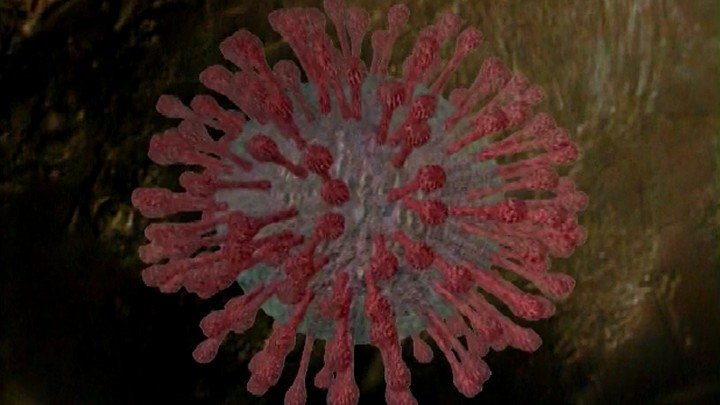
Emerging Diseases: Prions, Viruses
An emerging disease is one that has appeared in a population for the first time and a re-emerging disease is one that may have existed previously but is rapidly increasing in incidence or geographic range. The diseases discussed include SARS, Avian flu, Rift Valley Fever and Creutzfeldt-Jakob Disease. This program looks at the transmission, clinical features, diagnosis, treatment, vectors, prevention and control of these diseases.
-
Quality Control in Food Technology
TToday when we buy mass produced food products we expect consistent taste, texture, appearance and smell and a stringent standard of hygiene. Any divergence from this unspoken contract can result in disaster for the modern food producing company. Quality control is one of the most crucial factors of modern food technology the world over, yet it can be the hardest aspect to achieve. In this in-depth program we identify levels of control in different parts of the world, explore the many factors on how quality can be measured in food manufacturing and look at who is responsible for quality assurance within a large food manufacturer.
-
Safety in the Commercial Kitchen
Commercial kitchens must adhere to strict workplace health and safety procedures to prevent harm, illness and accidents occurring to both staff and clientele. This program outlines the basic workplace health and safety guidelines for the average commercial kitchen including, personal safety, working with heat, electricity, gas and dangerous equipment, and food hygiene.
-
Working Front of House
This program interviews a number of people who work in the hospitality industry dealing with the public: receptionist, porter, duty manager, and restaurant/bar staff. Each section illustrates and describes the skills necessary for each job and the tasks commonly expected to be carried out. As the Public Face of the tourism industry these people have the responsibility of providing the best possible service they can for their paying clients.
-
E-Learning in Education
This program is about encouraging and inspiring teachers to incorporate e-learning as an integral part of the curriculum. It looks at a revolution in youth communication; the implications of the revolution for education: multilliteracies – what are they?; recent developments such as podcasts, vodcasts, mobiles, PDA’s blogs and online learning; and the way forward.
-
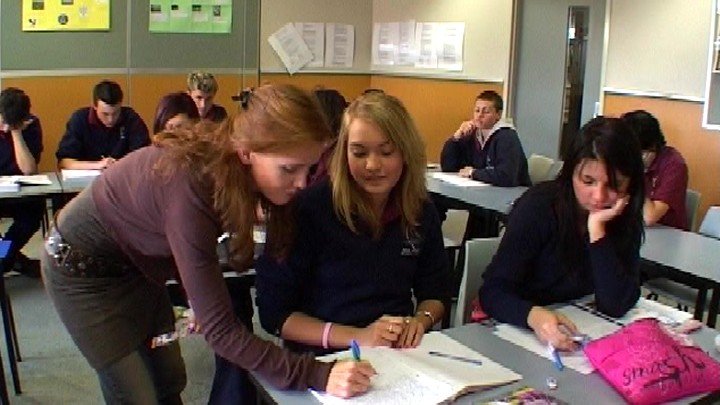
Emotional Intelligence in the Classroom
This program provides teachers with a basic understanding of what Emotional Intelligence is and how it can be utilized in the classroom to generate a positive learning environment. There is ample evidence now to suggest that emotional intelligence is more powerful than intelligence on its own. This program also provides specific ideas that teachers can incorporate in their classes to promote better emotional understanding which forms the basis for all relationships both in school and beyond into the workplace at a later stage. The program also focuses on why schools are ideal settings to promote the enhancement of emotional intelligence.
-
Climate Change: Our Responsibility
This program establishes the vital importance of the greenhouse effect for life on Earth and then presents a balanced argument to assess whether or not anthropogenic climate change (often called global warming) is in fact taking place. Clear arguments are presented on both sides of the debate and illustrations given covering both more economically developed countries and less economically developed countries, with impacts and responses fully explored. A thorough and balanced examination of this important and often contentious issue.
-
Homeostasis
Touch a hot stove and the muscles in your fingers will jerk your skin away before you’ve even registered the pain. Go for a run on a hot day and feel the sweat seep out of your pores. Stand outside in the cold in winter and count the length of time before your body begins to shiver. All these reactions are the result of homeostasis – that is, the mechanism by which our bodies – and the life support systems of all organisms – works to maintain a stable internal environment, despite changes in external conditions. In this program we’ll explore the concept of homeostasis. We’ll ask what homeostasis is, why it is important, take a look at detecting changes from the stable state, counteracting changes from the stable state, and how homeostasis works.