Exploring nature has been a popular pastime for centuries. Getting lost has sometimes been part of that, but it’s not highly recommended! Expedition and navigation skills are obviously two of the most vital proficiencies young learners need to enjoy the great outdoors. In this fantastic resource, we bring that knowledge to life with a brilliant video program. Accompanying this is a complete interactive learning object that works as a valuable study and assessment tool. Reflecting real-world conditions, presenting high quality information in an engaging way, this is a practical look at safety, sanitation and equipment and essential navigational skills.
Producers: VEA Group Pty Ltd
-
Online Marketing Strategies
With the emergence of social media technology and the Internet now dominating global communication, this expert-led program shows why online marketing is a vital part of every business model. Director of 2 Sticks Digital, Tim Martin, and the University of Melbourne’s Dr. Brent Coker, explain concepts such as search engine optimisation, pay per click, viral and email marketing, as well as how to implement and measure an online marketing campaign. While online success is difficult to predict, viewers will discover that innovative and flexible marketing strategies are crucial to surviving in the digital world.
-
Global Cuisine: Indian and Japanese
The colour, richness and diversity of Indian and Japanese cuisine are celebrated in this vibrant program. This documentary style production investigates regional differences within each country, traditional and modern influences on contemporary cuisine and the way in which food is prepared, served and eaten for everyday meals and special occasions. There are interviews with Indian writer, Lakshmi Belekrishnan, Village Indian head chef, Vissnu Kharel, Japanese teacher, Akiko Mahara and owner and chef of Wabi Sabi, Tomoya Kawasaki. Suitable for food technology and culture related studies at the middle secondary level, it provides a fascinating insight into Indian and Japanese cuisine and is a great way to encourage cultural awareness and understanding.
-
Global Food Equity
Global food shortages are having devastating affects in many corners of the globe. This detailed, wide-ranging program breaks down the different areas of food – from the availability and distribution, to why some people have more than others. Viewers will hear from leading health experts at Oxfam and the Red Cross, as they discuss why food inequity occurs and what’s being done to address the problem. An ideal resource for health, economic and geography learners in middle secondary, this program offers essential viewing in understanding a range of current social and political issues.
-
Food Planning for Special Occasions
From creation to execution and everything in between, planning and catering for any special occasion involves a number of ingredients. This fast-paced, entertaining program takes viewers behind the scenes at large-scale catering events, as chefs and organisers from Peter Rowland Catering and G’day Chef Catering offer advice on menu planning, kitchen workflows, time management and performing on the day. Food Technology learners in lower and middle secondary will be exposed to a vibrant, hands-on industry, where a passion for food can lead to an exciting career path.
-
Solving Linear Equations
Linear equations may appear confusing at first glance, but in fact there’s a very clear logic to them, once you understand how they work. In this program, we use a variety of fun and engaging real-world examples that students can relate to, to provide an engaging context to this core section of the Australian Maths Curriculum and bring linear equations to life. Reviewing a variety methods for solving equations, including guess, check and improve, the balance method and backtracking, the program takes students through the process of finding a numerical solution to various types of linear equations, from the simplest to the more challenging.
-
Elizabeth Loftus: Eyewitness Testimony
In deciding the fate of someone accused of a crime, the most important testimony often comes from people who saw the crime – or a fragment of it – happen. Eyewitnesses often add a devastating credibility and clarity to a very confused moment in time. But today we realise that eyewitness reports can be tainted by subjectivity. This outstanding program explores the groundbreaking research of psychologist Elizabeth Loftus, as she takes us through her discoveries on eyewitness evidence, focusing particularly on her seminal study with John Palmer, ‘Reconstruction of Automobile Destruction’. The program explores the context of the study, the experiments, evaluation and implications.
-
Taking a Chance
This program is an odds-on favourite to make understanding probability a lot of fun! Set in the wonderful world of cards, coins and dice, this engaging program introduces the basic concepts of probability, including complementary events, two-way tables, Venn diagrams, tree diagrams, and independent and dependent events. By joining Sunny (the sometimes sneaky magician) and trying to see when he’s using his tricks to improve the odds, this is a charming way to introduce probability concepts. With a style and tone just right for young learners, there’s a good chance that mathematics will come alive in this program.
-
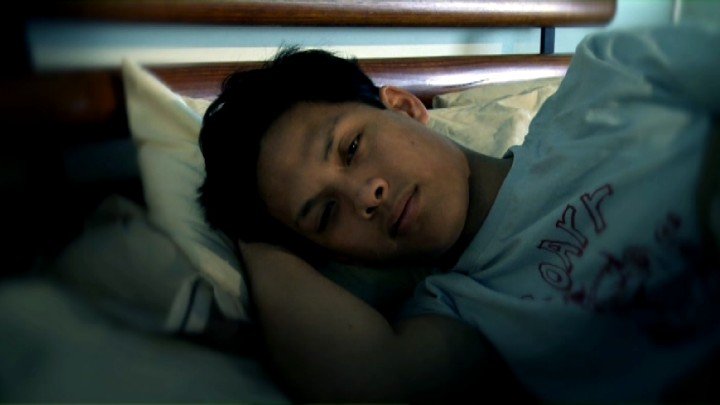
Dark Days
Every one of us knows what it is to feel sad and depressed occasionally, but there is a significant difference between this and clinical depression. In this excellent program, we take an in depth look at the nature and extent of this significant health issue. Featuring recognized mental health experts from leading mental health charity SANE, and young sufferers as well, this resource covers the types of depression, who is at risk, signs and symptoms, and myths and treatments. This program is a comprehensive, straightforward and compassionate introduction to a major mental health issue.
-
Recognising Mental Illness in your Patient
One in five people will experience some form of mental illness in a given year. It is therefore crucial that all nurses working in a general hospital setting are familiar with the different types of mental illnesses in order to provide optimum patient care and coordinate with members of the mental health team. This incisive and accessible programme introduces schizophrenia and mood disorders, including depression and mania/hypomania, providing viewers with diagnostic criteria and a detailed understanding of how a patient may present when suffering from a mental illness. The programme concludes with nursing interventions and traditional treatment protocols, including assessment and medication.