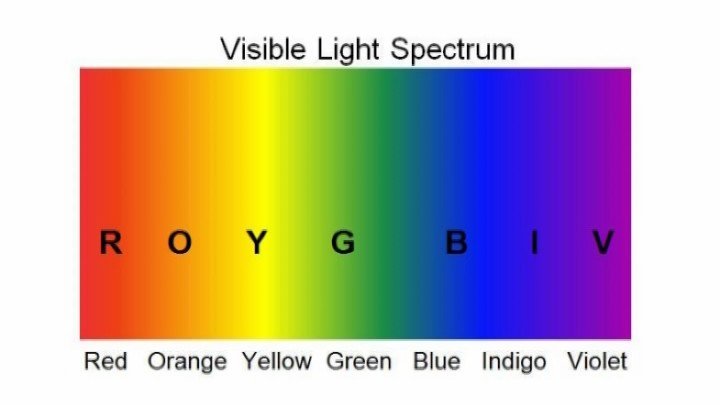
Join presenter Spiro Liacos as he looks into all things colour! What is colour? How can objects have different colours when the light shining on them is white? How is coloured light produced? What happens when we mix coloured light? How does a TV produce a picture? Why, for example, is green paint produced when you mix yellow and blue paint? How do we produce the colours in photos and magazines? What is light? How do our eyes and brain see colour? What is colour blindness? Can animals see colours like we do? This video is the perfect introduction to the science of colour and how we perceive it.
Producers: Liacos Educational Media
-
Shedding Light on Electromagnetic Waves
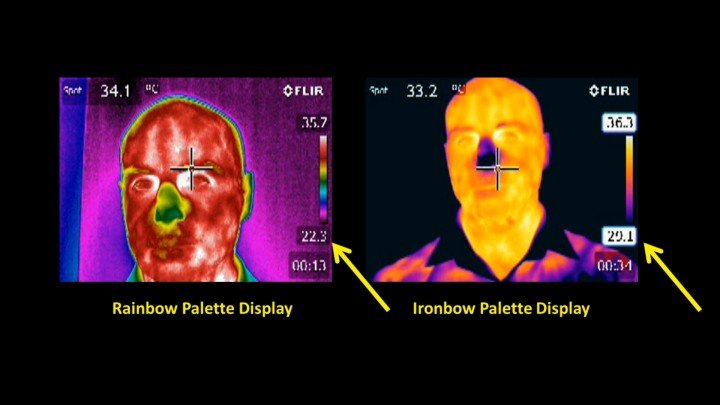
What are electromagnetic waves and how did they discover that light is made of them? How did they discover all the electromagnetic waves (like radio waves) that we can’t even see? And how do these electromagnetic waves affect our lives? In this exceptional program, the last in the ground-breaking Shedding Light series, Science teacher Spiro Liacos introduces students to waves in general, and then takes a detailed and very entertaining look at radio waves, microwaves, infrared light, visible light, ultraviolet light, X-rays and gamma rays. Along the way he surfs, plays guitar and piano, flies a helicopter (a remote control one), dives into the ocean, visits the dentist and spends some time in the tropical sun. This program and its accompanying worksheet and practical activity will keep your students engaged in their learning for up to five lessons, and is, quite simply, the easiest and the best way to teach them all about electromagnetic waves!
-
Newton’s First Law
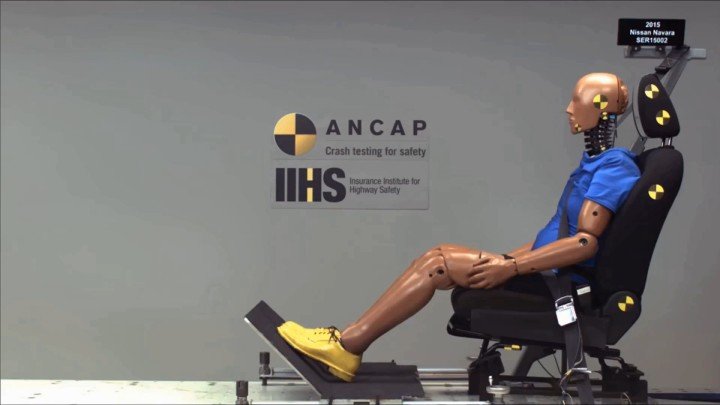
Presenter Spiro Liacos is “thrown forward” in a head-on collision, “thrown backwards” when his tram takes off, and “thrown to the side” when his car suddenly turns a corner. But in fact none of these things actually happen! Using brilliant visuals, this episode looks at the fact that an object will remain stationary or move with a constant velocity unless a force acts on it. It also describes a number of different forces that affect our lives daily.
-
Newton’s Second Law
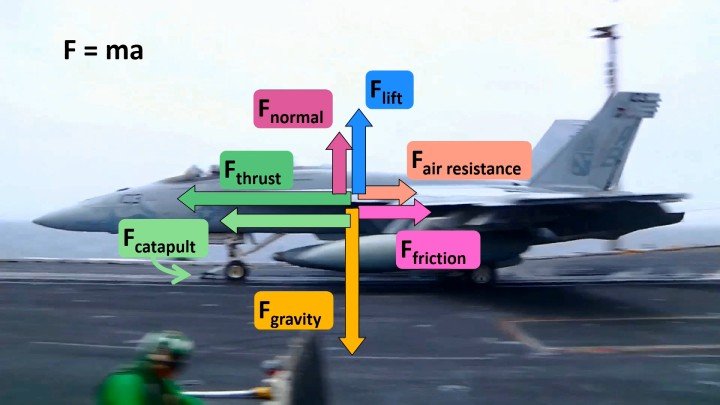
We answer the most important question that has ever been asked: how does a magician pull a tablecloth out from under a dinner set? No, seriously, we look at the so simple and yet so powerful equation Fnet = ma. Newton’s Second Law tells us how to calculate the amount of force required to accelerate something by a given amount.
-
Newton’s Third Law
We look at that most poetic of all Laws: For every action there is an equal and opposite reaction. How does a rocket engine work? Why do guns recoil when they’re fired? How do our muscles work? What propels us when we’re swimming? And how exactly is gravity a two-way interaction? All these questions, and many more, will be answered in this excellent video.
-
The Periodic Table
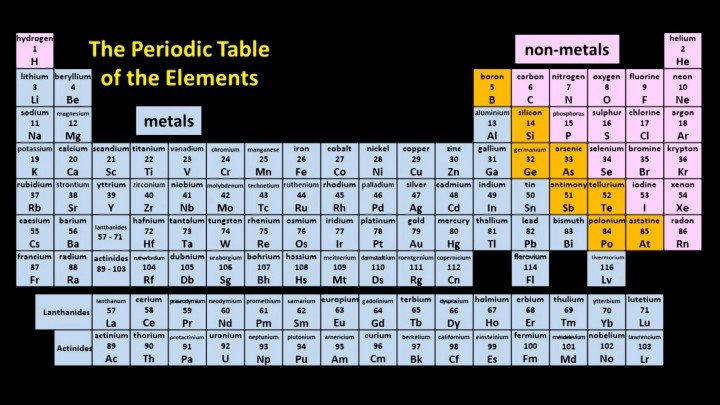
We begin by comparing and contrasting metals with non-metals. We then describe how Dmitri Mendeleev, the scientist who devised the first Periodic Table, organised the elements not just into metals and non-metals but also into groups based on patterns in the way that they chemically react. Finally, we explain how Mendeleev was able to use the Periodic Table to predict the existence of, and many of the properties of, elements that hadn’t at the time been discovered!
-
Protons, Neutrons, and Electrons
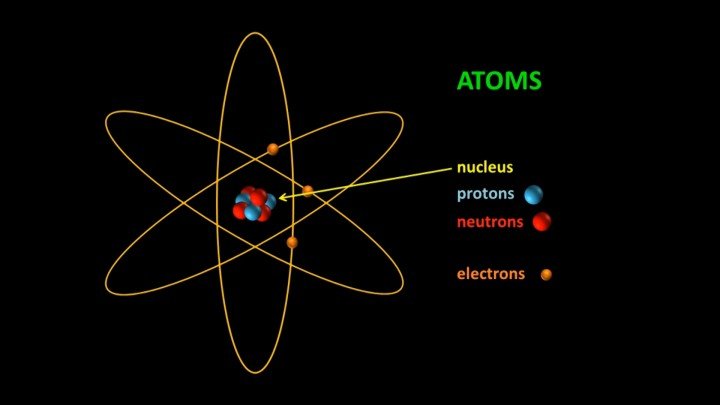
We take a look at the three types of particles that make up atoms and describe how they are arranged within atoms. Using live demonstrations and outstanding animations, we then look back at the experiments that led to the discovery of these three particles.
-
Electron Shells
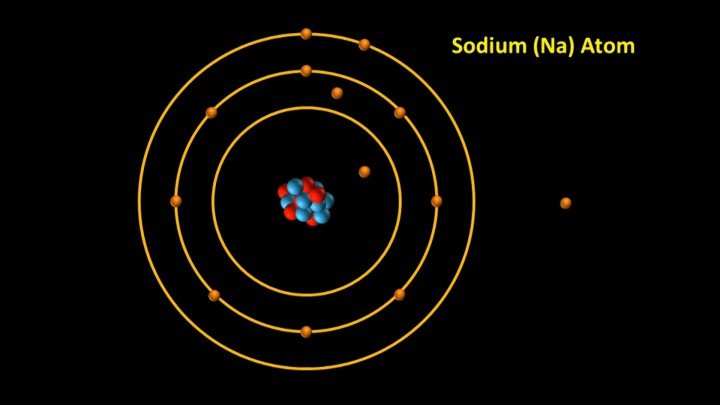
We look at how electrons are arranged within atoms in electron shells, and at how the Periodic Table is organised to reflect these arrangements. We demonstrate a variety of experiments which led to the discovery of electron shells and finish by taking a brief look at the size of atoms.
-
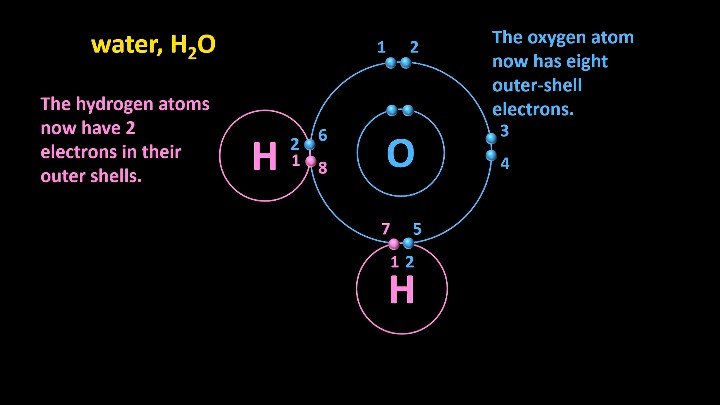
Covalent Bonding
We look at how the atoms of non-metals bond together with covalent bonds to form molecules, introduce electron dot diagrams and structural formulas, explain how the electron configuration of an atom affects the number of bonds it can make, and finally introduce the topic of organic chemistry.
-
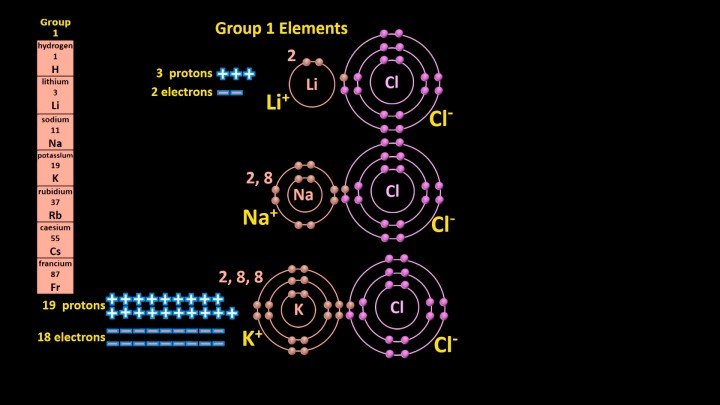
Ionic Bonding
We look at how the atoms of metals bond with the atoms of non-metals with what are called ionic bonds. We show how atoms can gain or lose electrons (in chemical reactions involving metals and non-metals), and that the number of electrons gained or lost depends on an atom’s electron configuration. We finish by comparing ionic compounds with covalent compounds, and explain the difference, at the atomic level, between solids, liquids, and gases.