
In Episode 1, Temperature, we get down to the atomic level to explain how hot things are different to cold things, we describe what a temperature scale actually tells us, and demonstrate how we measure the amount of heat energy that water absorbs when it’s heated.
Producers: Liacos Educational Media
-
Changes of State
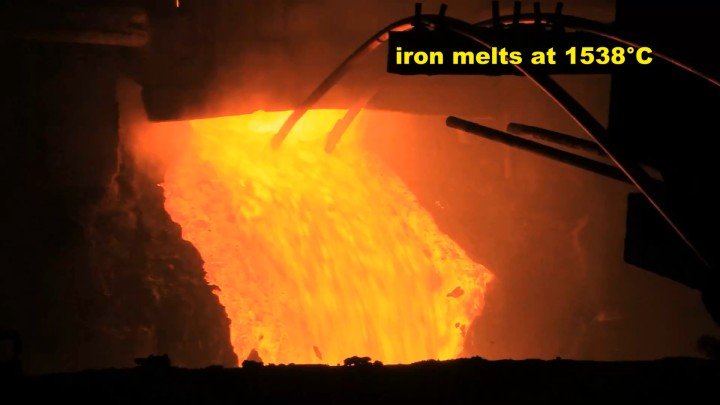
In Episode 2, Changes of State, we look at the differences between solids, liquids, and gases, and at why things change state when they absorb or lose heat energy. We also look at the strange example of carbon dioxide, which doesn’t follow the same rules that that most other substances do!
-
Thermal Expansion
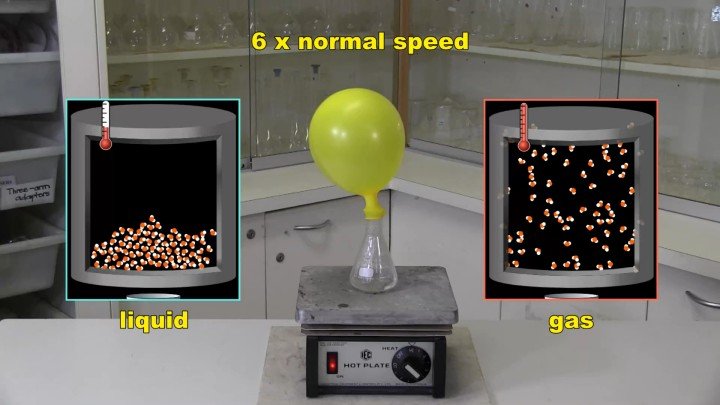
In Episode 3, Thermal Expansion, we look at the fact that substances expand when they get hot and contract when they get cold and we explain why they do. We look at how thermal expansion can be a real nuisance, but also how we can put thermal expansion to good use for the good of the world!
-
The Kelvin Scale
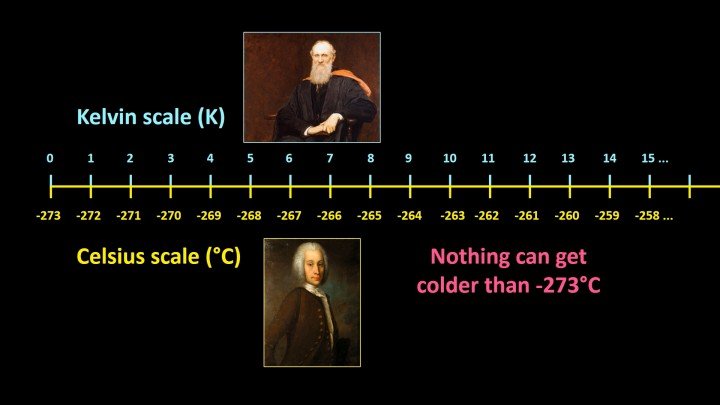
In Episode 4, The Kelvin Scale, we look at the temperature scale that in many ways is superior to the Celsius and Fahrenheit scales. Zero on the Kelvin scale is equal to -273ºC. And why is -273ºC so special? Because that’s the coldest temperature you can get!
-
Heat Transfer
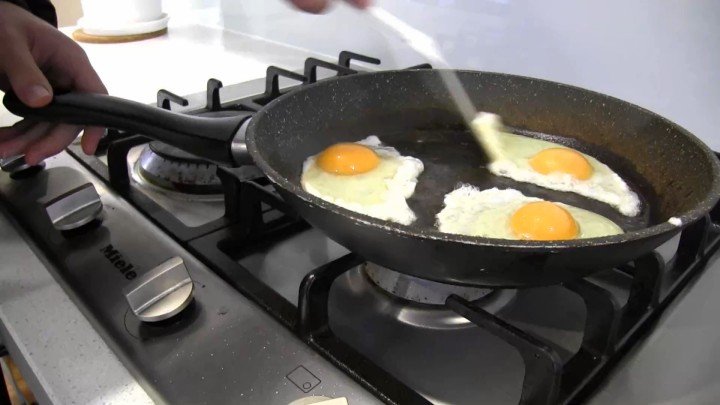
In Episode 5, Heat Transfer, we look at the three ways that heat energy can transfer from one thing to another: conduction; convection; and radiation. A heat source is useless if heat energy can’t transfer from the heat source to whatever you want heated. Understanding heat transfer is essential if you want to cook good food and if you want to stay warm when it’s cold and stay cool when it’s hot.
-

Energy Efficiency
We introduce students to the concept of efficiency, which is a measure of how much useful energy you get out of something compared to the amount of energy that you put into it. We answer a bunch of questions including:
- How much light energy do we get out of light globes compared to the amount of electrical energy that goes into them? Hint: it’s not much; they should be called heat globes!
- How much kinetic energy do we get out of cars compared to the amount of chemical energy that we put into them? Hint: it’s a bit more, but not that much more!
- And how do our arched feet make us the long-distance running champions of the animal world?
This video is the most energy-efficient way of learning everything that you need to know about energy efficiency!
-
Shedding Light on Reflection
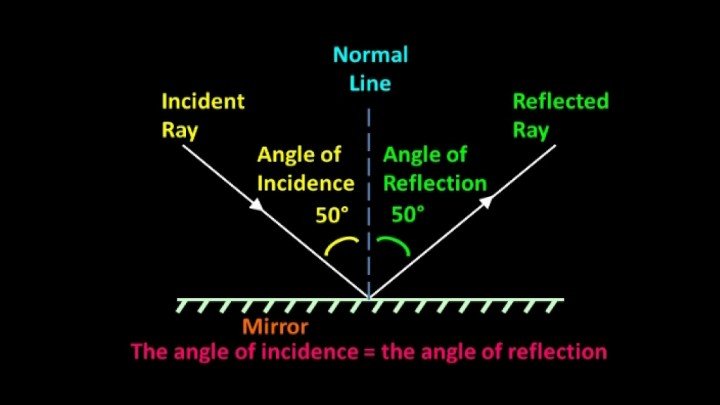
In this outstanding program, teacher Spiro Liacos uses fantastic animations and amazing visuals to delve into every aspect of reflection, mirrors, and the virtual-3D mirror world that mirrors create. What is reflection? How do mirrors reflect light differently to everything else and how do they form images? In what way are mirror images different to two-dimensional photos? How does our ability to see in 3D affect the way we see images in mirrors? Can animals see things in mirrors? And how do periscopes work? These questions, and many more, are answered in this entertaining and informative program, which finishes with Spiro presenting a range of optical illusions and magic tricks which all incorporate mirrors. You’ll never look into a mirror in the same way again.
-
Shedding Light on Curved Mirrors
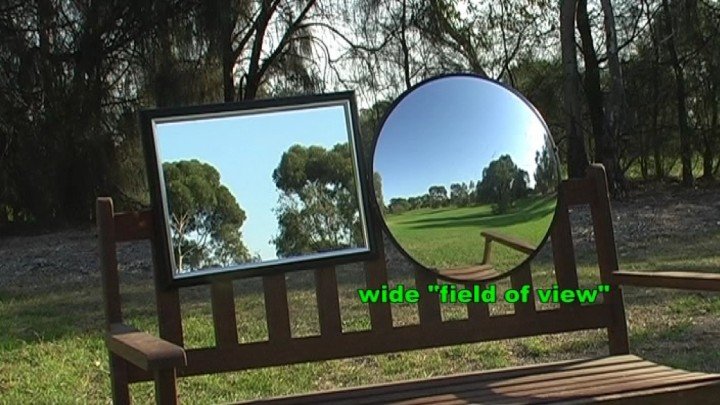
In Shedding Light on Curved Mirrors, presenter Spiro Liacos uses clear, real-life examples and superb animations to explain how and why convex and concave mirrors are so useful. Following a brief recap on reflection in flat mirrors, Spiro shows how convex mirrors are used in a wide variety of safety applications. He then describes how concave mirrors produce images, and explains the uses of concave reflectors in things like headlights, satellite dishes and solar cookers. The program comes with a set of excellent practical activities and question sheets which keep students engaged in their learning for multiple lessons.
-
Shedding Light on Refraction and Total Internal Reflection
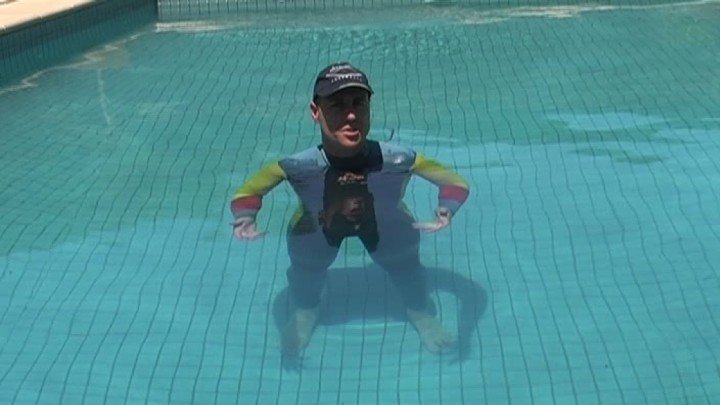
With brilliant visuals, engaging explanations, and outstanding animations, science teacher Spiro Liacos leads students from the swimming pool into space and from the depths of the ocean to the end of the rainbow for a fascinating look into refraction and total internal reflection. The basic theory of these two phenomena is covered and then numerous examples are given of how each phenomenon affects us. With excellent teacher notes, well-laid-out question sheets and two practical activities, this is not just a fantastic video, it’s also a series of fantastic lessons for your students.
-
Shedding Light on Lenses (and the Eye)
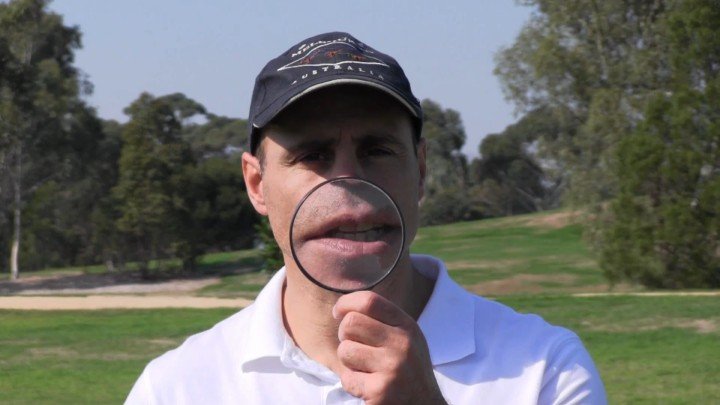
Shedding Light on Lenses is the fourth video in the phenomenal Shedding Light series. Conveniently broken up into nine sections, Science teacher Spiro Liacos uses fantastic visuals and animations to explain how convex and concave lenses produce images in a wide variety of situations. After a quick recap on refraction, Spiro illustrates how magnifying glasses work and how projectors produce giant images on giant cinema screens. He then looks into, quite literally, a tuna fish’s eye to show how our eyes work. After explaining how concave lenses produce images, he discusses how spectacles help people who have vision defects. The first bonus feature takes a fun look at slow motion, fast motion and stop motion, and the second bonus feature, aimed at more advanced students, covers the mathematics of lenses and image formation. The program comes with fantastic activity sheets which will help students to learn the content and to develop new skills in drawing ray diagrams.