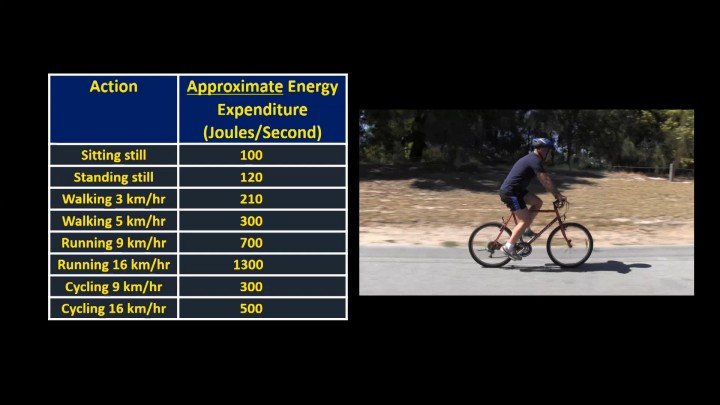
We introduce students to the Joule, the unit for energy. We look at how much energy is stored in different foods by comparing apples and oranges (normally a no-no) and we discuss how much energy we need to do certain things including nothing much at all. We then explore the concept of energy balance and reveal the two simple rules for weight loss. That’s right, there are only two!
Languages: English
-

Acceleration
We introduce students to the concept that acceleration is a measure of how quickly something changes its speed. We join James Bond as he falls out of an aeroplane without a parachute, splash into the water at 50.4 km/hr with presenter Spiro Liacos, and watch on helplessly as a truck runs off an unfinished bridge and explodes in a massive fireball.
-

Relative Motion
We introduce students to the concept that the movement of an object is always relative to something else. We call it “sunrise” but is it really? Can we stand still and move around from place to place at the same time? If a car is moving forwards, can it also be moving backwards at the same time? And can we throw a single ball towards the left and towards the right at the same time? The answers to all these questions will be answered and along the way we will gain a much deeper understanding of velocity and acceleration!
-
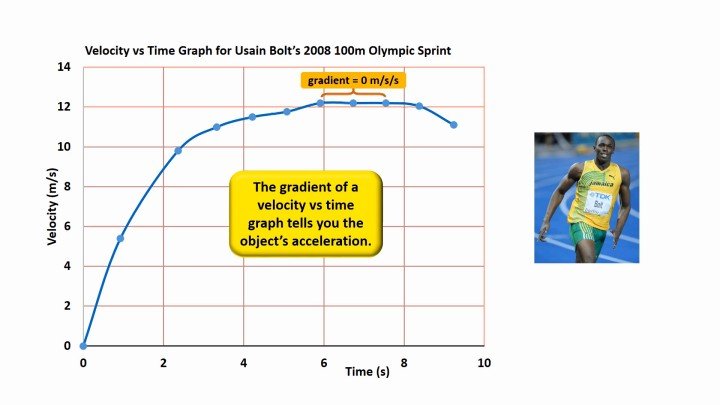
Graphing Motion
We look at how graphs can help us better understand the motion of athletes and of cars and other things. In a 100-metre sprint, when do athletes reach their highest speed? When do they accelerate at the highest rate and at what point, if any, do they stop accelerating?
-
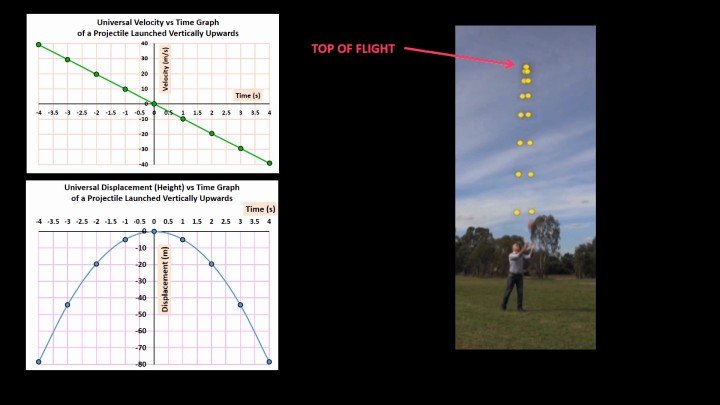
Graphing Free Fall
We continue looking at graphs but pay particular attention to how graphs help us to understand the motion of objects that are either falling straight down or which have been launched vertically upwards into the air.
-

My Blog: How To Handle Anger (Without Exploding)
For a variety of reasons, lots of kids come to school angry every day. Unfortunately, many pre-teens and adolescents don’t know how to handle their angry feelings in appropriate ways. In this program, students will learn the skills necessary to recognize and deal with their own anger. The program introduces the concept of anger triggers, provides strategies for expressing and channeling anger, and demonstrates the consequences of quick tempers. Most importantly, the program gives viewers concrete alternatives for dealing with anger in a healthy and safe way.
-
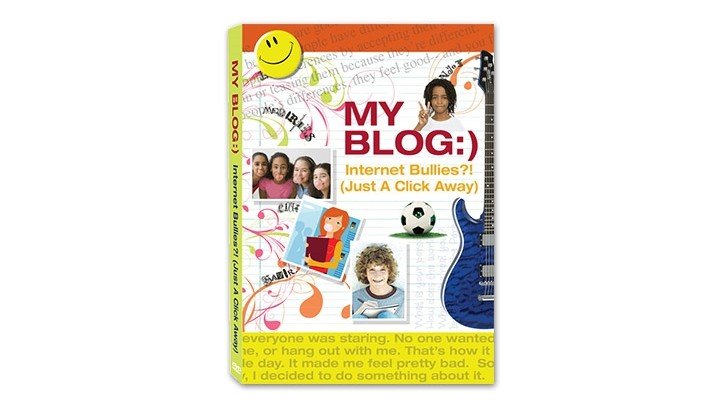
My Blog: Internet Bullies? (Just A Click Away)
For many kids, the Internet is an important part of their daily routine. Unfortunately, with the immediacy of the Internet, its anonymity and it’s easy accessibility, kids are using Instant Messaging, Blogs, e-mail, chat rooms and social networks to spread gossip and rumors to harass and embarrass their peers. In this program, students will come to understand that using the Internet for those purposes is actually bullying.
True to life scenarios demonstrate practical ways for students to protect themselves and restrict the opportunities others have of harassing them online. -

My Blog: We’re Different (But The Same)
Everyone is different in some way. Everyone is unique. Chelsea’s blog takes on the issue of being different. Randal, Chelsea’s friend is in a wheel chair and begins the discussion of being different by talking about physical differences. Subsequent stories talk about having different abilities, gender and cultural differences, too. The program stresses the importance of developing a respect and appreciation for people’s differences.
-
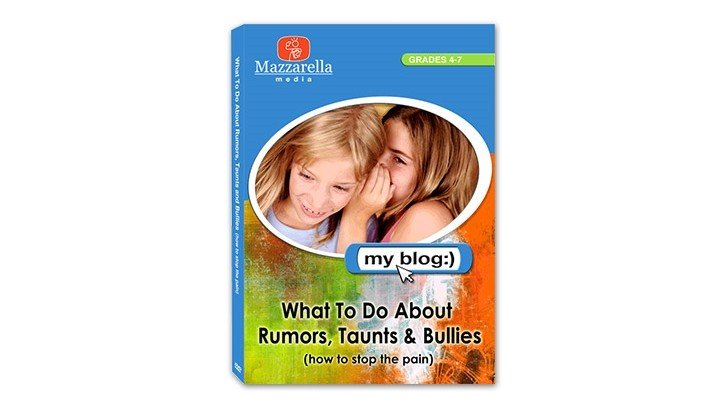
My Blog: What To Do About Rumors, Taunts and Bullies (How To Stop the Pain)
Hey, did you hear about….”, “Baby, baby, baby!”, “Give it to me now!” Gossiping, taunting and bullying are phenomena that occur at schools everywhere. Through vignettes, students will come to understand the devastating effects of these behaviors on individuals and the community. In addition, the program outlines solutions and strategies for coping with this pervasive problem.
-

My Blog: What’s Empathy? Do I Have It?
Children need help in understanding what empathy is and why it’s important. Chelsea talks about empathy on her blog and shares stories from events she’s witnessed at school and at home. In this program Chelsea asks viewers to think about how innocent jokes and rumors can hurt others and how they would feel if they were teased and bullied by others. Chelsea’s main message is before you say or do something that might hurt someone else, imagine being that person and think about how you would feel.