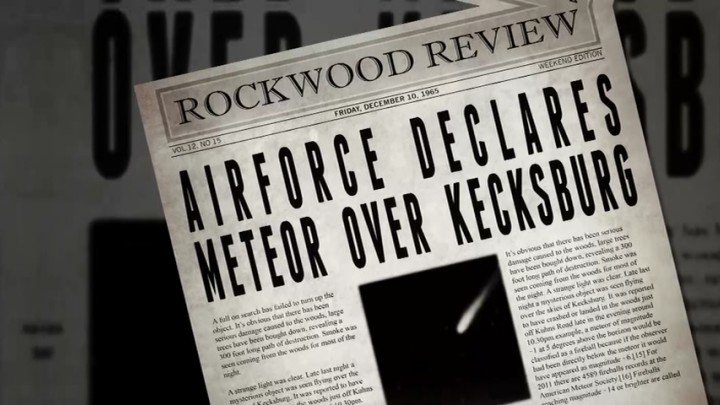
On December 9, 1965, with the sun setting on the quiet town of Kecksburg, Pennsylvania, Bill Bulebosh notices a brilliant fireball streaking across the sky and landing in nearby woods. Within hours, the State Police and the US Army surround the area. No one is allowed near the crashed object. As confusion reigns, locals are left to wonder what exactly fell in the Kecksburg woods. When the Air Force releases an official statement that nothing landed in the area, witnesses emerge to challenge the claim, prompting local resident Stan Gordon to delve into an intense investigation littered with cover-ups, a mysterious coded message, alien microbes and deadly Nazi secrets. Gordon’s determination pays off when a witness comes forward ready to share a dangerous secret.
Languages: English
-
Episode 1.01
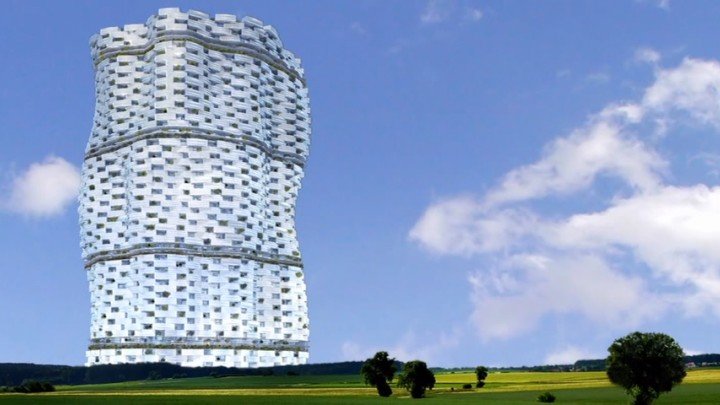
Flight Assembled Architecture
We meet the engineers behind a flock of flying robots – robots that build enormous, organized structures without any help from humans.Wikispeed
The Wikispeed is a car that proves that speed and gas guzzling don’t have to go hand-in-hand. One man’s dream car comes to life…with a little help from his friends.Brick Machine
Meet Tiger-Stone, an innovative electrically powered brick-laying machine from the Netherlands – taking the pain out of back-breaking work!Recliner Guy
Shifting gears slightly, we show you a road vehicle that you can operate without leaving the comforts of your living room recliner. This young Gadget Guy has strapped a motor to his big comfy chair! -

Episode 1.02
Blog of the Ring
We meet an online blogger who is obsessed with hot wheels: he writes about race cars and fast lap times from an old race track in Germany – the Nurburgring – that’s hallowed ground for car lovers.CN 235/295
Spain’s new military planes may be as versatile as a cargo van, but they’re made for more heavy duty work: part transport plane, part flying hospital.Biome
Just imagine a car that breaks down… but not mechanically – organically! We go behind the scenes to meet the 37 year old designer of this eco-vehicle of the future.Rickety Downhill Challenge
Watch as a team of road warriors build home-made ‘derby’ cars, and compete for the rickety trophy at an abandoned stretch of road on the outskirts of town. -

Episode 1.03
London Whitewater
An old parking lot is converted into a modular, Olympic-ready whitewater rapid course!Aouda.X
Deciding what to pick out of your wardrobe to take a trip to Mars? Try this remarkable space suit on for size!Tunnel Under History
We head to Barcelona, where they are building an underground high-speed train line under some of the city’s most famous buildings… without disrupting any of the famous architecture.Lit Motors
This 2-wheeled car is totally enclosed… and totally electric! Best of all, it never tips over. We meet the inventor responsible for this futuristic vehicle. -
Shedding Light on Curved Mirrors
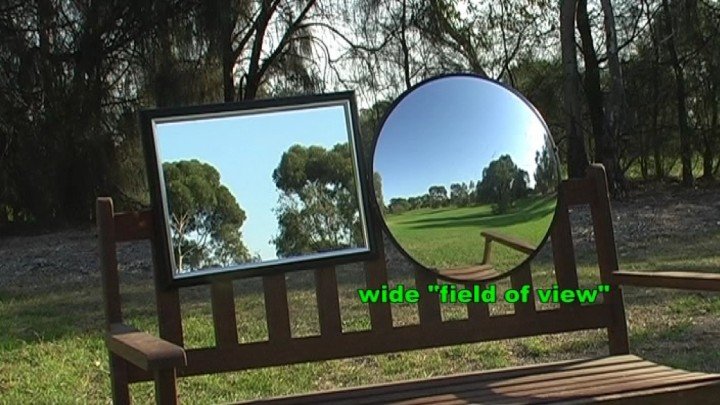
In Shedding Light on Curved Mirrors, presenter Spiro Liacos uses clear, real-life examples and superb animations to explain how and why convex and concave mirrors are so useful. Following a brief recap on reflection in flat mirrors, Spiro shows how convex mirrors are used in a wide variety of safety applications. He then describes how concave mirrors produce images, and explains the uses of concave reflectors in things like headlights, satellite dishes and solar cookers. The program comes with a set of excellent practical activities and question sheets which keep students engaged in their learning for multiple lessons.
-
Shedding Light on Refraction and Total Internal Reflection
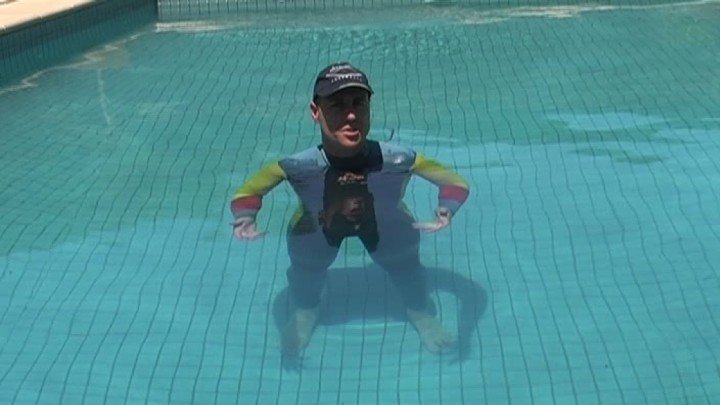
With brilliant visuals, engaging explanations, and outstanding animations, science teacher Spiro Liacos leads students from the swimming pool into space and from the depths of the ocean to the end of the rainbow for a fascinating look into refraction and total internal reflection. The basic theory of these two phenomena is covered and then numerous examples are given of how each phenomenon affects us. With excellent teacher notes, well-laid-out question sheets and two practical activities, this is not just a fantastic video, it’s also a series of fantastic lessons for your students.
-
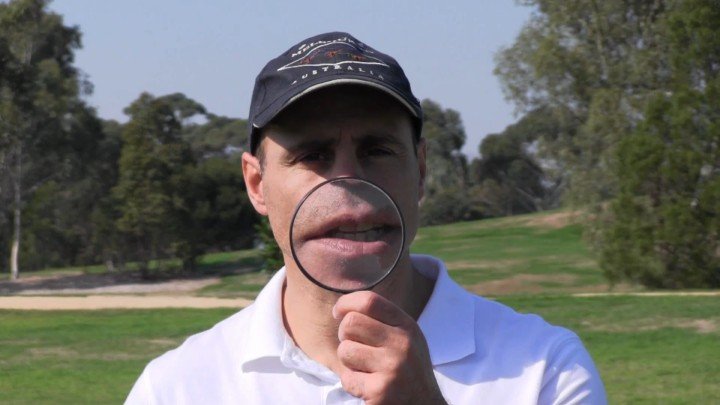
Shedding Light on Lenses (and the Eye)
Shedding Light on Lenses is the fourth video in the phenomenal Shedding Light series. Conveniently broken up into nine sections, Science teacher Spiro Liacos uses fantastic visuals and animations to explain how convex and concave lenses produce images in a wide variety of situations. After a quick recap on refraction, Spiro illustrates how magnifying glasses work and how projectors produce giant images on giant cinema screens. He then looks into, quite literally, a tuna fish’s eye to show how our eyes work. After explaining how concave lenses produce images, he discusses how spectacles help people who have vision defects. The first bonus feature takes a fun look at slow motion, fast motion and stop motion, and the second bonus feature, aimed at more advanced students, covers the mathematics of lenses and image formation. The program comes with fantastic activity sheets which will help students to learn the content and to develop new skills in drawing ray diagrams.
-
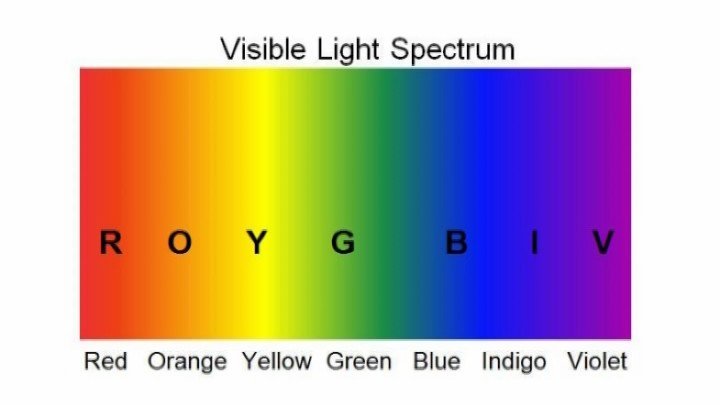
Shedding Light on Colour
Join presenter Spiro Liacos as he looks into all things colour! What is colour? How can objects have different colours when the light shining on them is white? How is coloured light produced? What happens when we mix coloured light? How does a TV produce a picture? Why, for example, is green paint produced when you mix yellow and blue paint? How do we produce the colours in photos and magazines? What is light? How do our eyes and brain see colour? What is colour blindness? Can animals see colours like we do? This video is the perfect introduction to the science of colour and how we perceive it.
-
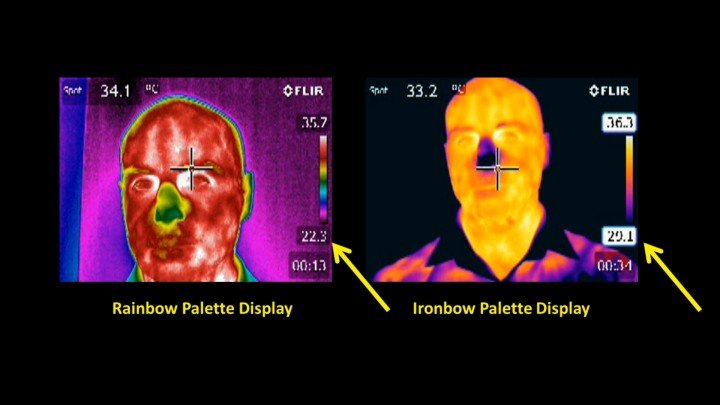
Shedding Light on Electromagnetic Waves
What are electromagnetic waves and how did they discover that light is made of them? How did they discover all the electromagnetic waves (like radio waves) that we can’t even see? And how do these electromagnetic waves affect our lives? In this exceptional program, the last in the ground-breaking Shedding Light series, Science teacher Spiro Liacos introduces students to waves in general, and then takes a detailed and very entertaining look at radio waves, microwaves, infrared light, visible light, ultraviolet light, X-rays and gamma rays. Along the way he surfs, plays guitar and piano, flies a helicopter (a remote control one), dives into the ocean, visits the dentist and spends some time in the tropical sun. This program and its accompanying worksheet and practical activity will keep your students engaged in their learning for up to five lessons, and is, quite simply, the easiest and the best way to teach them all about electromagnetic waves!
-

Energy Efficiency
We introduce students to the concept of efficiency, which is a measure of how much useful energy you get out of something compared to the amount of energy that you put into it. We answer a bunch of questions including:
- How much light energy do we get out of light globes compared to the amount of electrical energy that goes into them? Hint: it’s not much; they should be called heat globes!
- How much kinetic energy do we get out of cars compared to the amount of chemical energy that we put into them? Hint: it’s a bit more, but not that much more!
- And how do our arched feet make us the long-distance running champions of the animal world?
This video is the most energy-efficient way of learning everything that you need to know about energy efficiency!