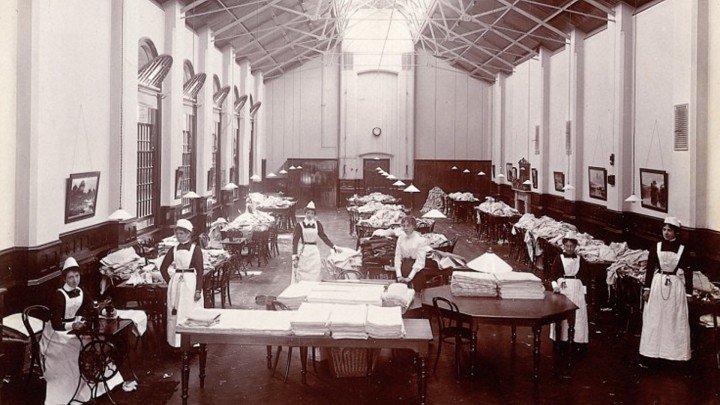
This film uses the well-known case of ‘Genie’, a girl kept in solitary confinement from infancy until she was 13, to illustrate the use of case studies in psychology; why and how they are used, what they can offer researchers, their limitations and some of the ethical issues that can often arise.
Languages: English
-
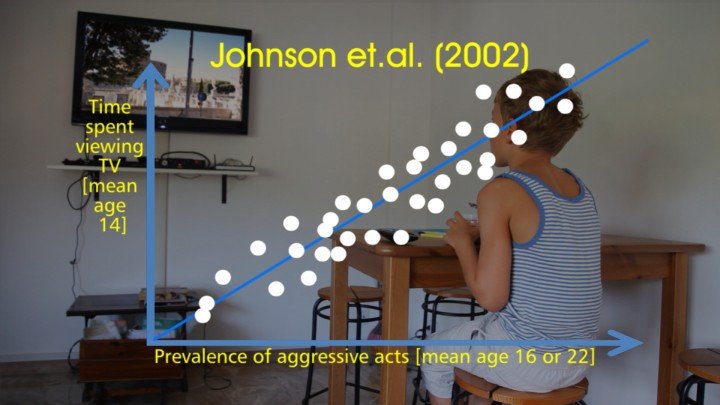
Correlations
Correlations are relationships and this film begins by illustrating how the strength and direction of those relationships is measured. It then uses real research studies to illustrate the uses of correlations, their limitations and how easily correlation data can be misused.
-
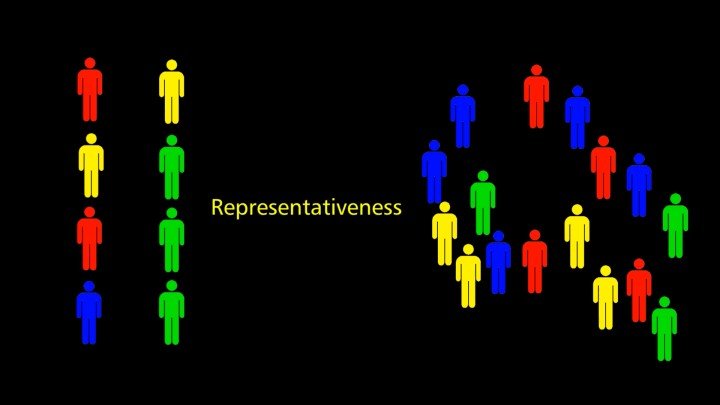
Sampling
Sampling is crucial in psychology but can be difficult to understand. This film offers a helping hand with a series of visual images that take students through target population, samples, representativeness and generalisability. It then looks at how sampling is done, illustrating differences between probability and non-probability sampling, why different techniques are used and their strengths and limitations. The final part looks at how this knowledge can be used to help evaluate any study based on sampling.
-

Reliability & Validity
Psychologists have told us a lot about human behaviour, but can we trust the findings? This film looks at the part played by reliability and validity in helping to answer this question. Reliability and external and internal validity are explained and the key tests of face, concurrent and ecological validity are illustrated with examples from major psychological studies.
-
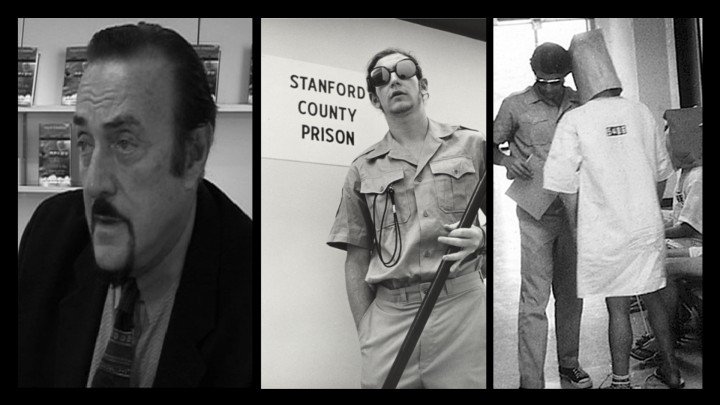
Variables
Although the idea of variables can seem dull and uninspiring, they are crucial because they’re everywhere in psychology. This film provides a clear introduction to this concept, explaining and illustrating the key questions of definition, types, reliability, validity and application.
-

Ethics & Ethical Issues in Psychology
This film begins by looking at how stricter ethical guidelines were developed in psychology. Using an on-going research project, it illustrates contemporary ethical guidelines and the issues arising from the potential conflicts between protecting participants and producing socially useful research. It ends by asking if ethical guidelines might have gone too far and are stifling important new research.
-
Using Non-Human Animals in Research
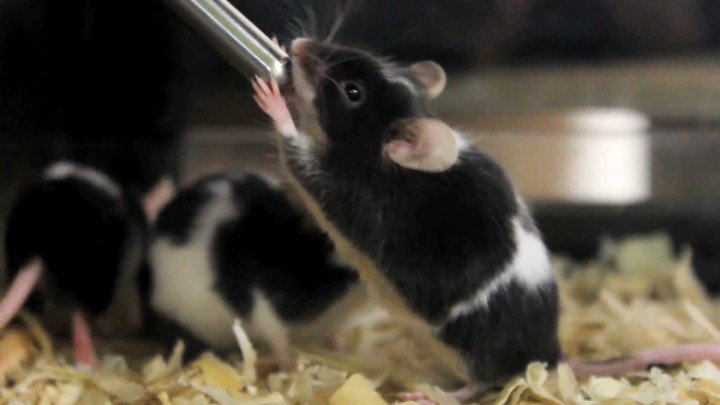
This film begins with how animals were used in psychological research by looking at Harlow’s experiments, where baby rhesus monkeys were isolated in ‘the pit of despair’. It explains the current ethical and legal regulation of using animals in research, illustrates how decisions are made, and ends with the question of whether animals should ever be used in research.
-
Aftershock: Obedience & Identity
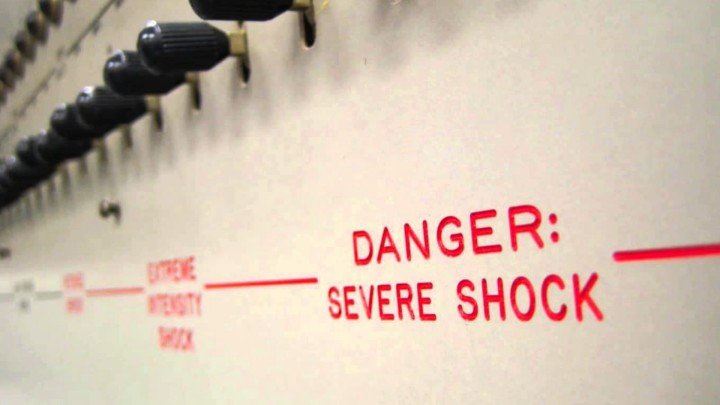
Milgram’s obedience experiments are among the most famous studies ever conducted in psychology. Generations of students have been taught that they demonstrated how easily ordinary people can be persuaded to harm others when instructed to by a person in authority. But did Milgram’s research really show that? Using original footage and new documentary evidence, this film suggests that Milgram’s experiments demonstrate something rather different, that obedience to authority is a consequence of social identity.
-
Are You What Your Mother Ate? The Agouti Mouse Study
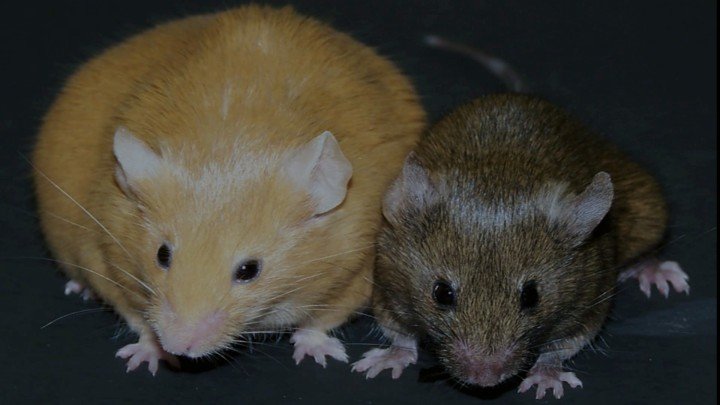
The foetal susceptibility hypothesis suggests the nourishment an embryo receives from its a mother is a major determinant of health in later life. In this film, Professor Randy Jirtle tells the story of his ground-breaking experiment at Duke University that provided the first ever scientific evidence of the causal influence of maternal diet on offspring health prior to birth. It showed how the genetic destiny of an embryo can be altered by changes in maternal diet and it is now one of the most widely quoted scientific studies of all time.
-
Laboratory Experiments
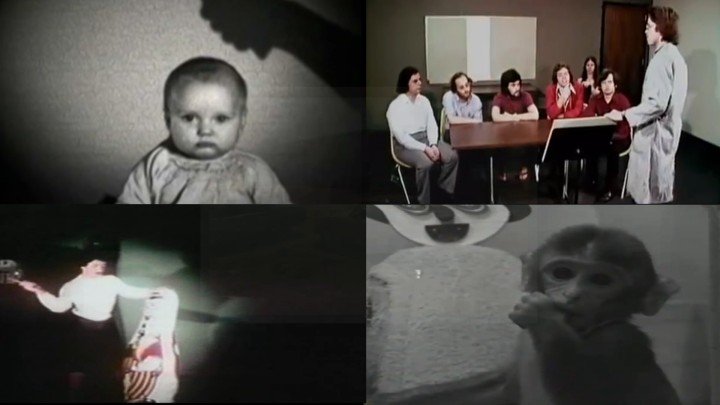
This film uses some famous psychological studies to explain the experimental method and illustrate how laboratory experiments are done, their strengths and limitations and, often forgotten, how these limitations do not apply uniformly to all experimental studies.