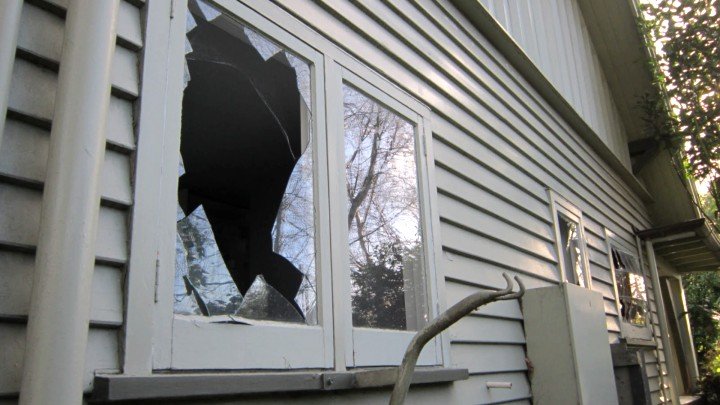
Spatial criminology asks whether it’s possible to reduce crime by changing social spaces. This film begins with Zimbardo’s influential abandoned cars experiment and the development of Wilson and Kelling’s broken windows theory. It looks at the impact of broken windows policy on crime in New York in the 1990s and concludes by looking at recent experiments in the Netherlands by Keizer that demonstrate the effect of environmental change on crime.
Languages: English
-

Determinism and Free Will
Do we really have free will? And, if so, where does it come from? In this film, Professor Patrick Haggard explains the differences between free will and behavioural, psychic and neurological determinism. We then reconstruct Benjamin Libet’s seminal experiment on determinism, showing its implications for understanding consciousness and explaining human behaviour.
-
Individualistic and Situational Psychology
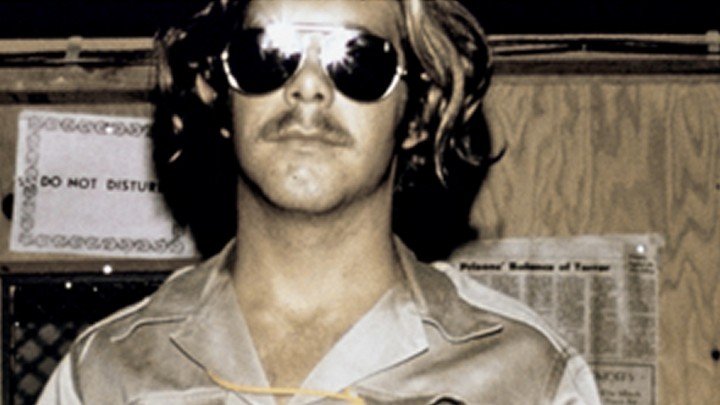
Most psychology is individualistic, suggesting that people’s behaviour is a product of their biological inheritance and personal experiences. This short film, using original footage from Zimbardo’s famous Stanford Prison Experiment, illustrates an alternative idea that people can be literally transformed by the situations in which they find themselves.
-
Bowlby: Attachment & Maternal Deprivation
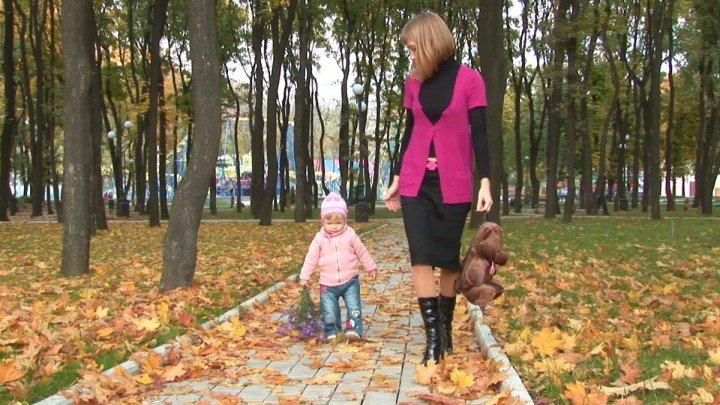
In the 1930s a young psychiatrist noticed how many of the disturbed children he saw had been separated from their parents in early life. This was John Bowlby whose work had a massive influence on how psychologists thought about child development. This film explains the key aspects of his classic theory of attachment: the innate need to bond, the care of an attachment figure and maternal deprivation. An ideal introduction to support students starting this topic.
-
Ainsworth: The Strange Situation
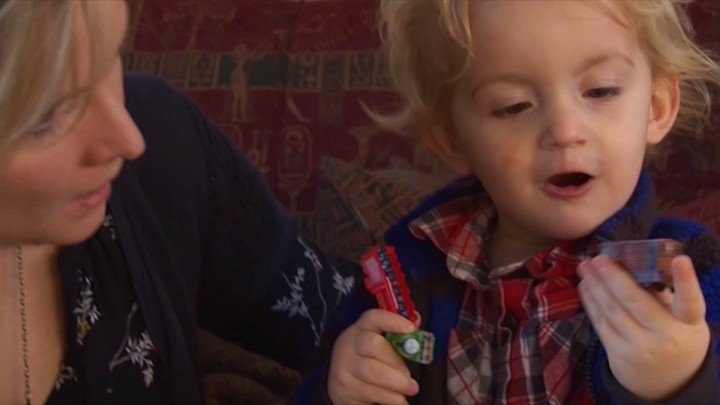
While John Bowlby focussed on the consequences of a lack of attachment, Mary Ainsworth took a step back and looked at the nature of attachment and famously documented different types. In this film we look at her classic strange situation with film of the experiments and expert comment from three psychologists.
-
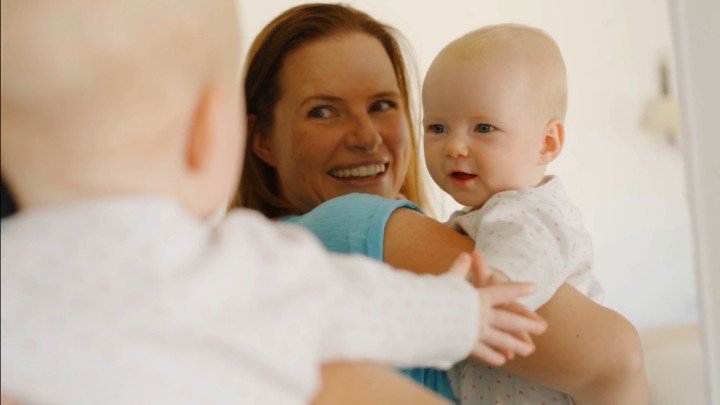
Mind-Mindedness and Attachment Security
Psychologists have long been aware that attachment security may be transmitted from one generation to the next. But how does this happen? A new idea here is the importance of mind-mindedness, a carer’s ability to tune into what their child may be thinking or feeling. This film looks at Professor Elizabeth Meins’ influential experimental research showing that mind-mindedness is a clear predictor of attachment security.
-

Why Do We Sleep?
We spend about a third of our lives asleep. But why do we need to sleep? Filmed at a University Sleep Lab, this short film demonstrates the effects of lack of sleep and explains why it is so essential to brain function and, ultimately, to survival. An excellent resource for students new to the topic.
-
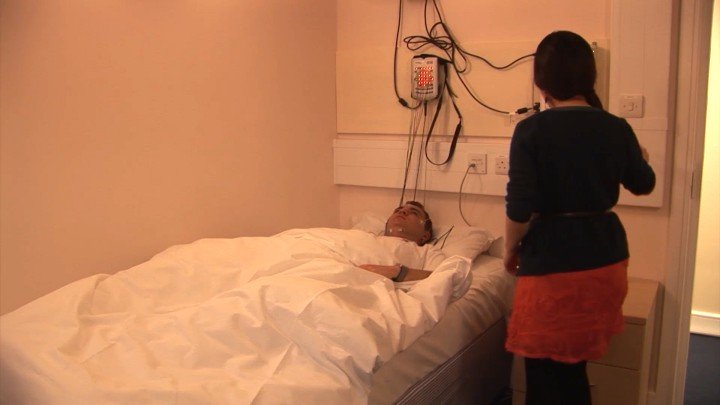
The Structure of Sleep
Until relatively recently what happens while we sleep was a mystery. But that changed with the advent of polysomnography, the electrical recording of brain activity. This short film provides students with a clear visual introduction to the stages of sleep. It also shows why we can’t fully understand our waking lives without understanding how sleep works.
-

Insomnia: Causes and Treatments
Insomnia’, says one of the respondents we interviewed, ‘can be as debilitating as a physical injury’. This film looks at the causes of insomnia, the cycle of sleeplessness, and Professor Kevin Morgan explains some of the treatments and their effectiveness.
-
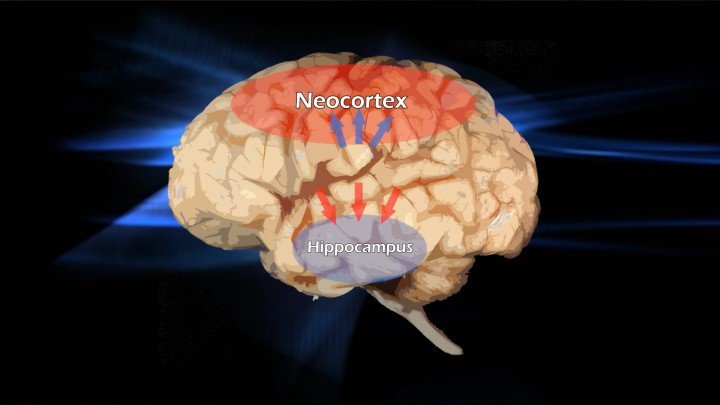
Sleep, Memory & Learning
While sleep rests and repairs the brain, it continues to be active and sleep psychologists believe one of the things it’s doing is helping to consolidate memories. This short film looks at Professor Gaskell’s research comparing participants who learn in the morning and are tested in the evening with those who learn in the evening and are tested in the morning after sleeping. It also provides students with very good for advice about the best time to learn new information.